
The current 2.7.0.16 build keeps the focus on one thing: getting you back into a device that will not let you in. The official page still points to screen locks, Apple accounts, Screen Time, and MDM restrictions as fair game, which covers a lot of bad afternoons.
| Detail | What you get |
|---|---|
| Version | 2.7.0.16 |
| Developer | TunesKit |
| Runs on | macOS 10.11 or later, Intel 64-bit |
| Interface | English |
That Intel-only note matters before anything else. If your Mac runs Apple Silicon, this build is not written for it, so check what you are working with first. The situations it targets are specific: too many failed passcode attempts, Face ID or Touch ID giving up on you, a screen that is cracked or not responding at all. The installer also asks you to press Enter in Terminal to get past Gatekeeper, which tells you this is not a signed, double-click-and-go package. It is a tool for someone comfortable with a little friction.
The emergency utility for authentication deadlocks
This is not an app you keep in the Dock. It is the one you pull from a folder when Finder, Photos, or Music suddenly refuse to cooperate because a device cannot authenticate. I keep mine next to a backup extractor and a screen recording utility — all three form a kind of emergency kit that gets used maybe twice a year but saves an entire Saturday when it is needed.
Once the passcode or Apple ID lock is cleared, the device talks to macOS the way it should again. Finder recognizes it for a local backup. Photos offers to import the camera roll. Configurator can push a fresh profile if you are managing a fleet. The unlocker does not replace any of those — it simply removes the barrier that stops them from doing their job. Think of it as the key you keep in the kitchen drawer, not the one on your keyring.
It also pairs well with a dedicated iOS data recovery app. If the goal is not just access but pulling messages, voice memos, or Notes database files before a wipe, running the unlock first gives those tools a mounted, readable device to scan. The order matters: unlock, then recover, then restore if you choose to.
A Real Workflow: Getting Past a Disabled iPhone 8
A friend hands you an iPhone 8 that sat in a drawer for eighteen months. The screen reads “iPhone is disabled — connect to iTunes.” Nobody remembers the passcode. The Apple ID tied to it is old, and the password reset loop is sending verification codes to a phone number that no longer exists. Here is how the afternoon goes.
- Mount and launch the app. Run the Open Gatekeeper friendly script, press Enter when Terminal prompts, then drag the app into Applications and open it. Connect the iPhone with a USB-A to Lightning cable — USB-C adapters sometimes introduce disconnection hiccups, so an old Anker cable from the drawer works better.
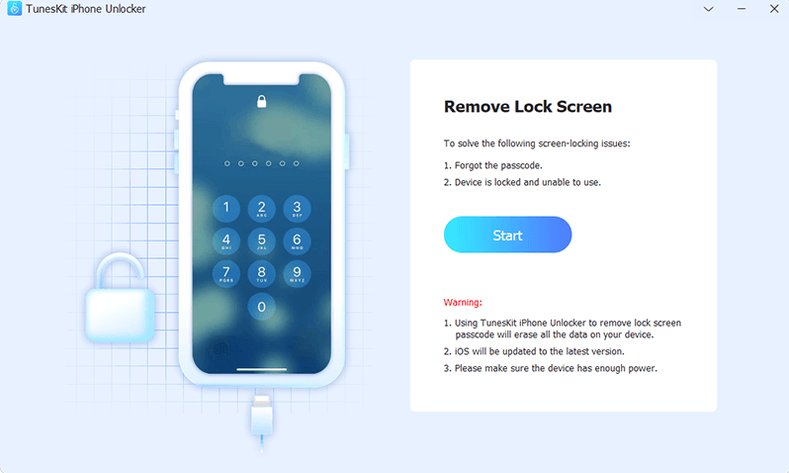
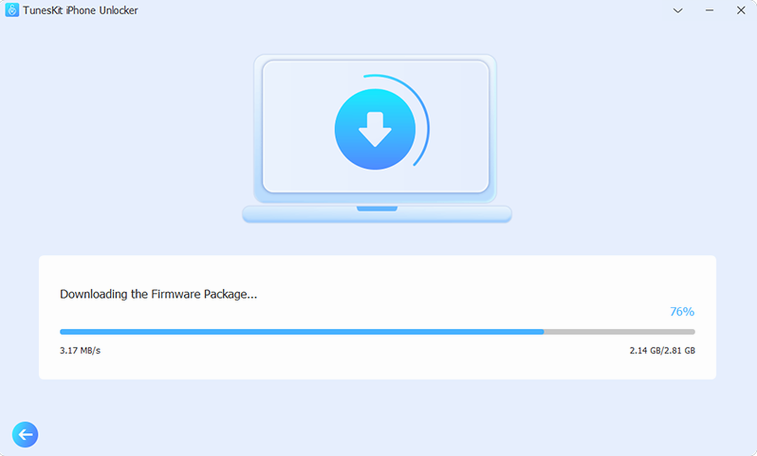
- Pick the Unlock Screen Passcode module. The interface presents a few options; this is the one for a disabled device where Face ID and Touch ID are irrelevant anyway. Click Start and let the app download the matching iOS firmware bundle. On a 60 Mbps connection, the download takes about eight minutes.
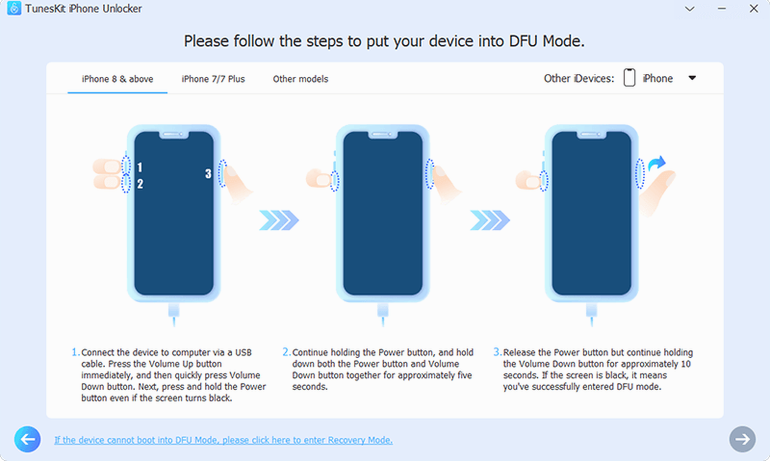
- Follow the on-screen button sequence. The app asks you to put the iPhone into recovery mode. For an iPhone 8, that means press-and-release Volume Up, press-and-release Volume Down, then hold the Side button until the recovery-mode cable graphic appears. The app detects it and begins writing.
- Wait through the progress bar. The screen stays dark for a stretch, then the Apple logo appears, then a thin progress line crawls underneath it. The whole flash takes roughly fifteen minutes. Do not unplug the cable during this. Do not even bump the desk.
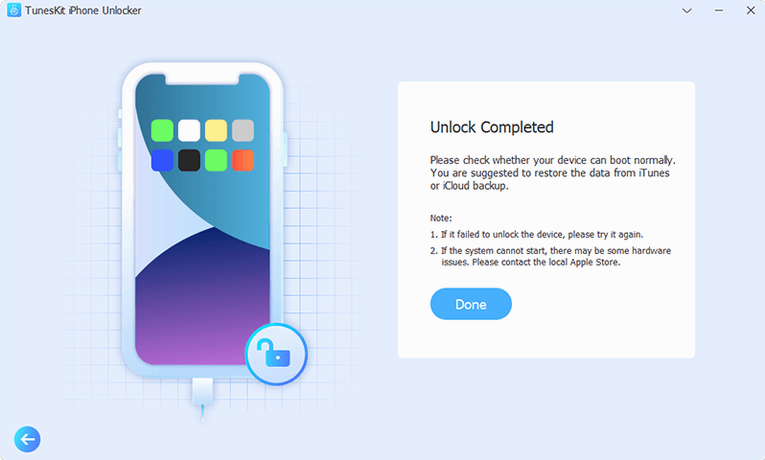
- Set up as new or restore a backup. Once the device reboots to the Hello screen, Finder on the Mac sees it immediately. If you have a local backup from before the device was locked, right-click it in Finder and choose Restore. If not, set it up as a fresh device. The old Apple ID lock is gone, so you can sign in with a current account.
Total time from launch to Hello screen: around twenty-five minutes, most of it waiting on firmware download and flashing. The only tricky part is the recovery-mode button timing, and the app displays the exact steps on screen so you do not have to memorize them.
Three reuse scenarios tied to device ownership
Three groups come to mind, and they all share one trait: they already own the device in question.
Family tech support. The person who ends up with a pile of relatives’ old iPhones after an upgrade cycle. These devices often arrive locked, with forgotten passcodes and Apple IDs tied to email addresses nobody checks anymore. Having a single-purpose tool that does not require a Genius Bar appointment or a phone call to Apple Support turns a weekend chore into a one-click-per-device operation. The Intel-only requirement means these folks are likely running an older Mac mini or a 2019 MacBook Pro that still lives on the desk for exactly this kind of task.
Small repair shops and refurbishers. A shop that buys trade-in lots or handles estate-cleanout devices encounters locked screens constantly. The unlocker slots into a workflow that already includes battery testing, screen replacement, and data wiping. Because it handles MDM lock removal in addition to passcodes, it covers the corporate-surplus devices that show a remote management screen on first boot — a common headache when a business offloads a batch of iPad 4 units. The single-architecture limitation is less of an issue here because many shop machines are older Intel Macs kept around specifically for compatibility with tools that have not made the ARM jump.
Data hoarders doing their own device archaeology. You find an old iPod touch in a moving box. The screen works, but the passcode is long gone, and you want the voice memos from 2016. This is the user who already knows how to bypass Gatekeeper, already has a folder of TNT releases on an external drive, and just needs confirmation that the current build handles that specific iOS version. For them, the app is a one-and-done — run it, pull the data, wipe the device, archive the app installer for next time. Searches like TunesKit iPhone Unlocker crack or TunesKit iPhone Unlocker full version free download often start with someone in exactly this situation, holding a device they have no intention of using as a phone but whose stored files they are not ready to lose.
- OS X 10.11 or later
- Intel x86 64-bit architecture
- English interface
Porch talk 0
Come in or pull up a chair to leave a comment.
Nobody has pulled up a chair yet. If you used it on a real Saturday, say what the hour was.