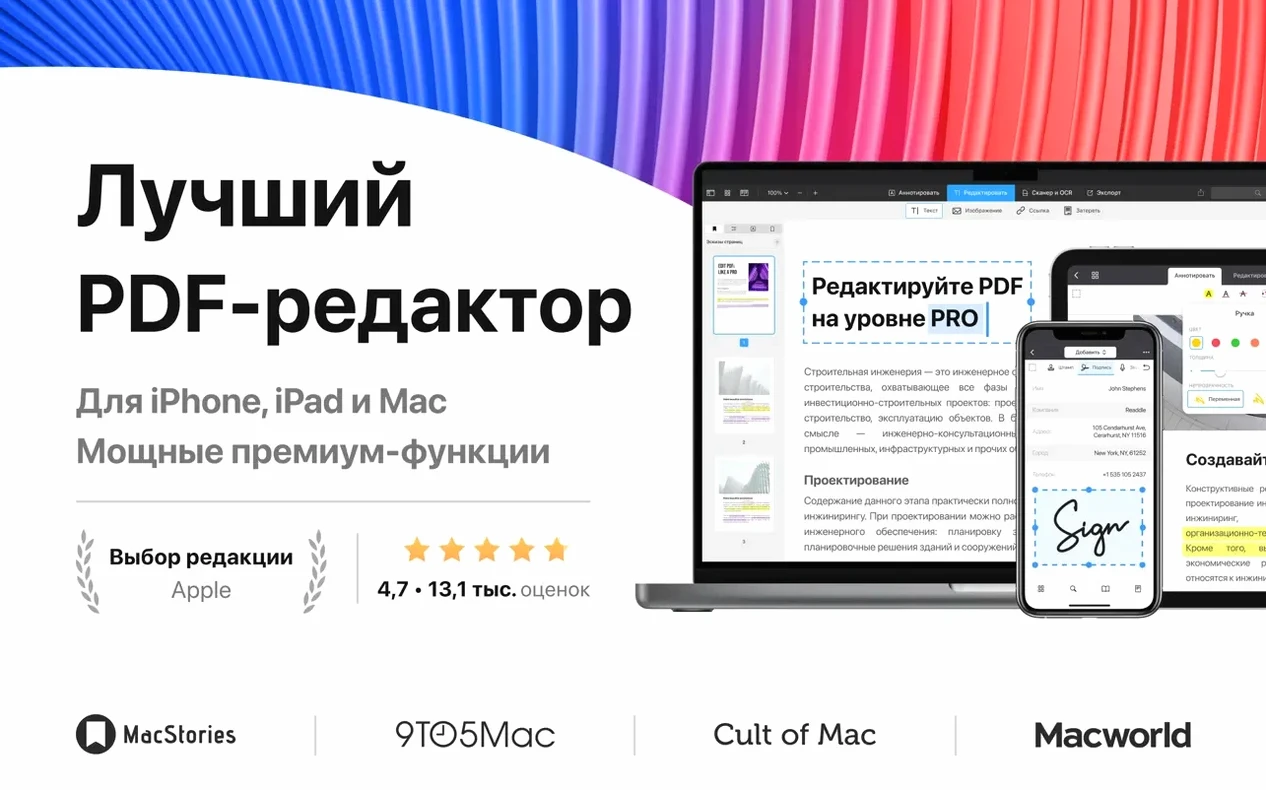
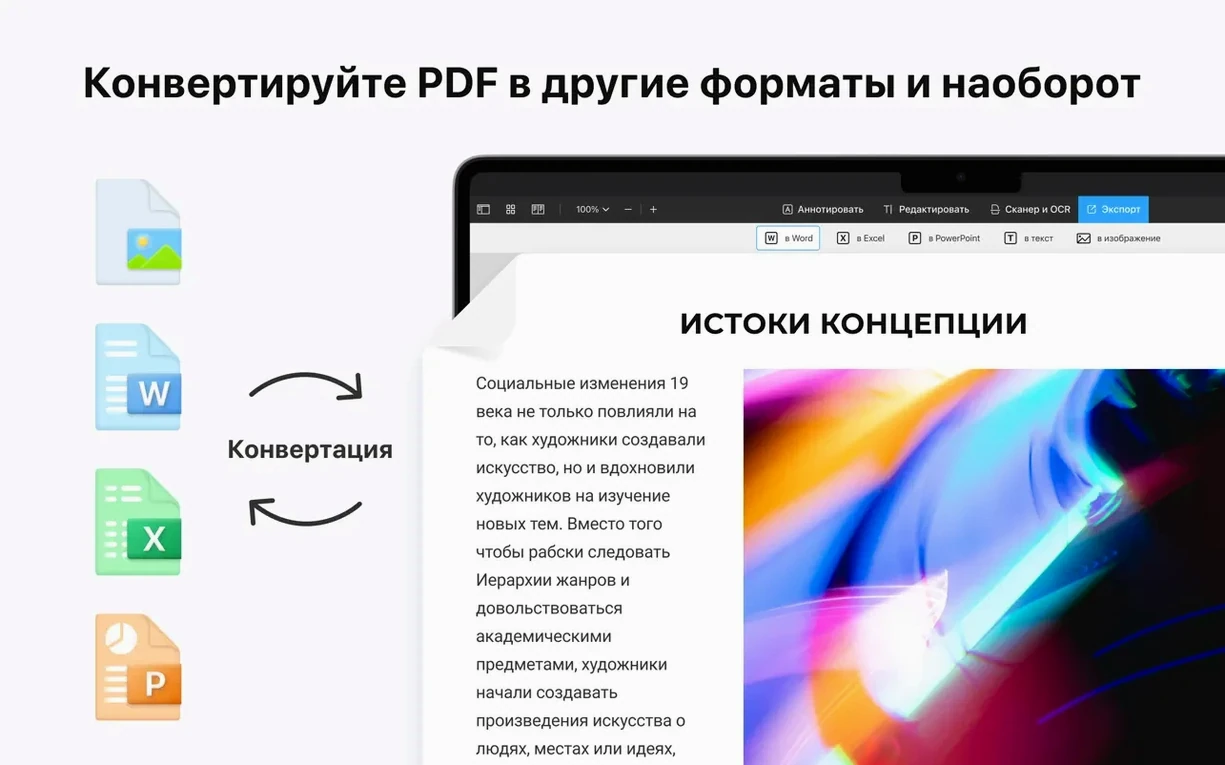
Whether your Mac hums on Apple Silicon or an Intel chip, PDF Expert settles right in as long as you're running macOS 12 Monterey or newer. It’s a straightforward setup that skips the activation hoop-jumping some tools make you endure, which means you can open a lease agreement or a stack of meeting notes within seconds of dragging the app into your Applications folder.
| Detail | Info |
|---|---|
| Developer | Readdle Technologies Limited |
| Version | 3.11.1 (1146) |
| macOS | 12 or later |
| Architecture | Apple Silicon & Intel |
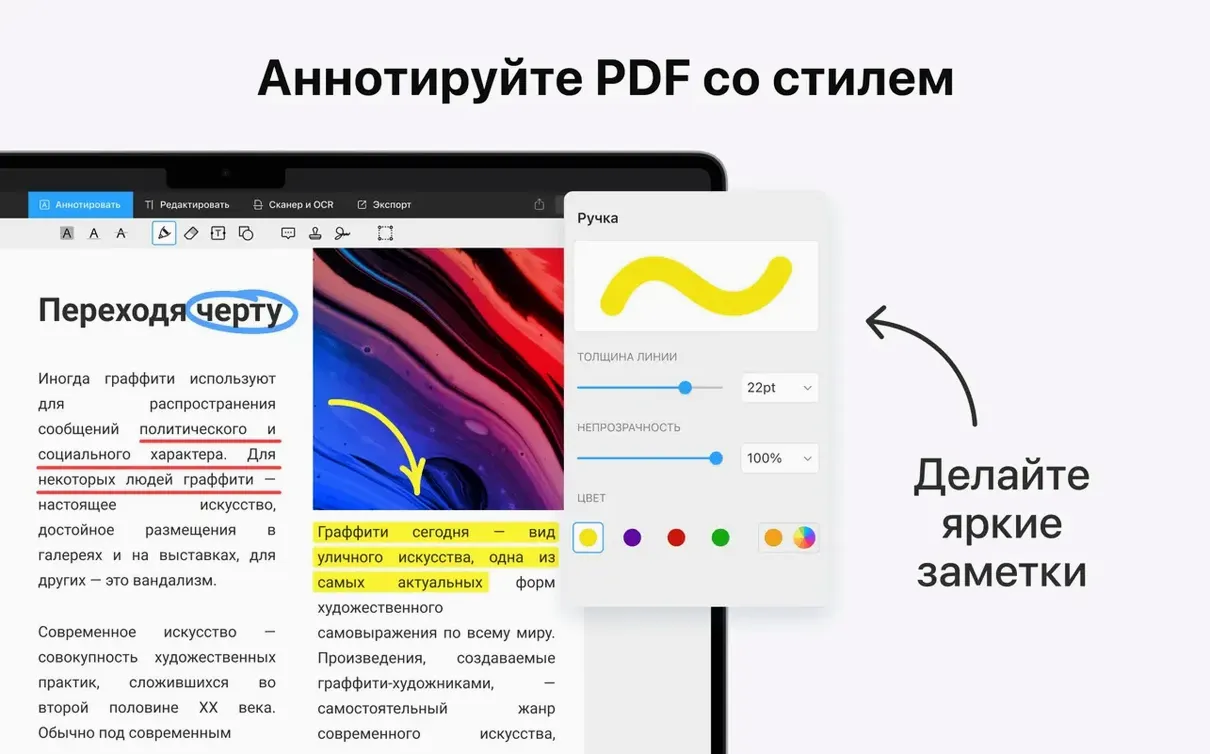
Beyond reading, the app handles the small-but-constant tasks that pile up around PDFs. You can tap out form fields without printing a page, leave annotations in the margin, and bundle loose reports into one merged document. It also converts Word, Pages, and Google Docs files into PDFs when you need a finished look. Handoff keeps your place between a Mac and an iPhone or iPad, and you can set a password on anything that shouldn’t wander beyond the person you’re sending it to. If your day involves a steady trickle of paperwork that just happens to be digital, this one fits the rhythm.
Taming giant scans without the beach ball
Version 3.11.1 arrived as a maintenance refresh, not a splashy feature drop, and that’s the kind of update I appreciate most on a workday Tuesday. The build tightened up how the app handles large scanned documents — the kind where a 200-page operations manual would previously hitch for a half-second when you jumped between chapters. That hesitation is mostly gone now.
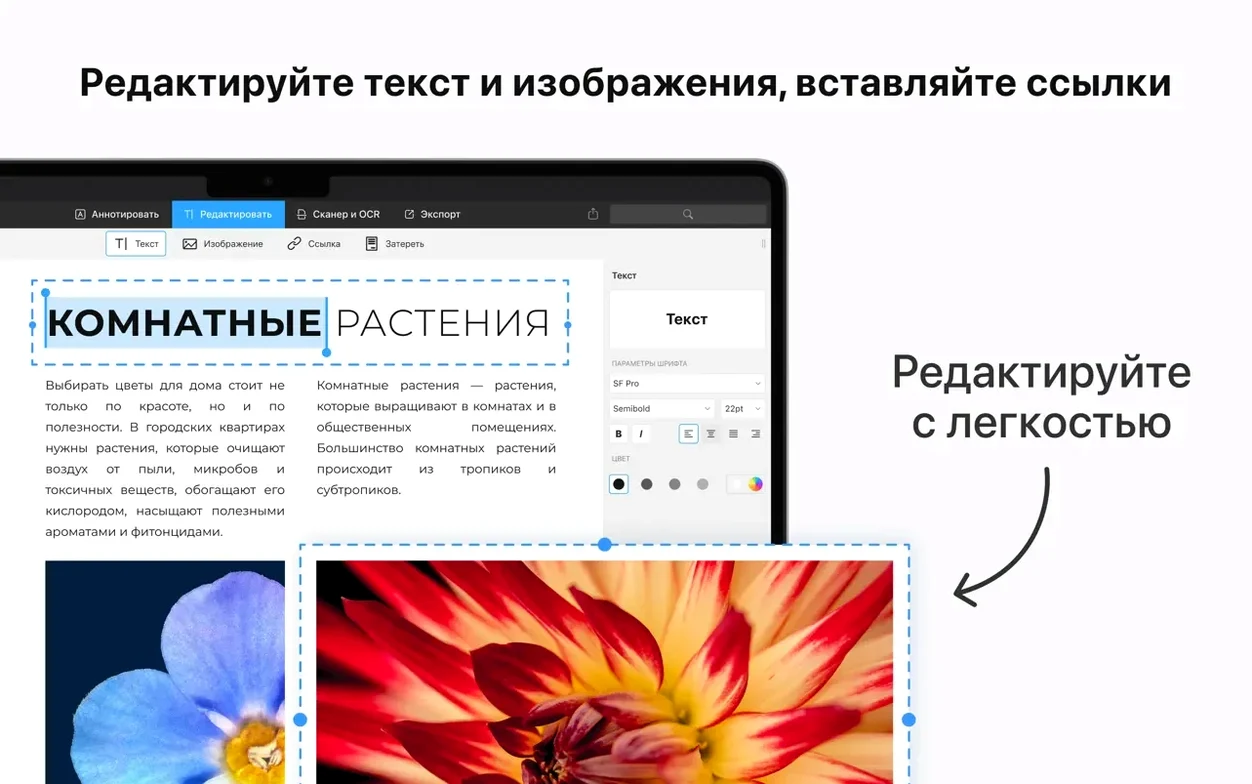
Earlier in the 3.11 cycle, Readdle smoothed out a few rough edges that had been nagging regular users. Form field detection got a quiet bump: tax forms and insurance paperwork with non-standard field placement now highlight correctly on the first click more often. Text editing inside PDFs also gained better awareness of embedded fonts, so swapping a date in a contract doesn’t accidentally shift the surrounding paragraph into a slightly different weight. Small things, but when you’re editing six documents before lunch, the minutes add up.
Handoff between Mac and iPad saw a reliability fix as well. Previously, switching a marked-up PDF from a MacBook to an iPad on the same network could stall if the file sat in a deeply nested folder. That pathway is cleaner in 3.11.1 — the handoff handshake completes without the occasional “waiting” spinner that made me second-guess whether I’d saved the latest annotations.
From flat image lease to signed contract in one app
Let’s walk through something concrete. A landlord emails you a scanned lease as a PDF. It’s a flat image — no selectable text, no fillable fields — and they expect it back with your initials on six pages and a signature at the end.
Drag the file into PDF Expert. The document opens in the main window, and the thumbnail sidebar on the left gives you a quick sense of how many pages you’re dealing with. Tap the Annotate tab in the toolbar. From there, grab the Text tool and click near the first blank line. A text box appears; type your initials. If the font doesn’t match, hold Command and drag the handles to size the box until it sits naturally in the space. Repeat on the remaining pages — the sidebar thumbnails help you jump straight to the next flagged spot without scrolling through the whole document.
Now the signature. Click the Sign icon in the toolbar. If you’ve saved a signature before, it appears in the dropdown; select it and place it on the signature line. If you haven’t, the app lets you draw one with your trackpad or scan one using your iPhone camera through Handoff. Once placed, you can resize it by dragging corners. Flatten the annotations if the recipient is picky about layered PDFs — PDF Expert does this under File > Flatten Annotations, baking everything into the page so nobody accidentally moves your initials later.
Finally, set a password before emailing it back. Go to File > Set Password, type something the landlord knows, and save. The whole sequence takes under five minutes once you’ve done it twice.
Cold launch in two seconds on Apple Silicon
On an Apple Silicon MacBook Air with 16 GB of RAM, PDF Expert launches in roughly two seconds from a cold start — faster than most word processors I use. Opening a 50-page PDF with mixed text and images feels instantaneous; a 300-page scanned textbook takes about three seconds to fully render all thumbnails, and scrolling through those pages stays smooth without the staggered tile-loading you see in some free readers.
Memory use sits around 180–220 MB with a modest document open, climbing to roughly 400 MB when you’re flipping through a heavily annotated file with embedded signatures and merged pages. That’s lean enough that I’ve never noticed it bullying other apps out of active memory, even with a browser full of tabs running alongside. On Intel Macs, the numbers run a bit higher — expect closer to 300 MB at idle — but the performance gap isn’t something you’ll feel unless you’re pushing older hardware hard.
Stability over weeks of daily use is a quiet strength. I’ve left the app open across sleep cycles and multiple document sessions without a crash, and the autosave is unobtrusive enough that you rarely think about it. The one quirk worth noting: very occasionally, a PDF downloaded from a web form with malformed metadata will trigger a brief freeze on first open. Closing and reopening the file clears it, and it’s rare enough that I can’t reproduce it on command. Overall, the app behaves like a tool that’s been sanded down over years of iteration rather than something chasing a flashy redesign every six months.
Where Preview stumbles and PDF Expert steps in
Apple’s built-in Preview does a lot for free, and for quick highlights or a single signature it’s perfectly capable. Where it runs out of breath is editing existing text, merging documents without creating a mess of sidebar entries, or working with form fields that aren’t perfectly standard. PDF Expert fills that gap without feeling like overkill — the toolbar stays lean, and you aren’t wading through menus to find the one thing you need. Preview is the pocket knife; PDF Expert is the drawer in the kitchen that has the right spatula.
Adobe Acrobat Pro covers more ground on the power-user end: preflight checks, redaction tools, and deep accessibility tagging that PDF Expert doesn’t touch. But Acrobat’s interface sprawls, and the background processes it runs can keep your Mac’s fans awake even when you’re just reading. If your workflow doesn’t include print-production jargon or Section 508 compliance, Acrobat feels like bringing a forklift to move a shoebox. PDF Expert stays in its lane — editing, annotating, signing, merging — and does those things with less friction.
PDFpen, from Smile Software, is the closest match in spirit: a Mac-native editor aimed at people who want more than Preview but less than Acrobat. Its OCR capabilities are strong, and it offers more granular control over text correction in scanned documents. PDF Expert counters with a cleaner interface and faster rendering on Apple Silicon, plus Handoff support that PDFpen doesn’t match. People who spend half their day correcting OCR errors might lean toward PDFpen; people who move between Mac and iPad and just need documents edited cleanly will find PDF Expert the smoother ride.
- macOS 12 or later
- Apple Silicon or Intel 64-bit Mac
Questions I actually get
Can I fill out and sign PDF forms with this app?
Yes, PDF Expert lets you fill out interactive form fields and annotate documents directly on your Mac.
Does PDF Expert work between my Mac and iPhone?
It supports Handoff, so you can start reading or editing on a Mac and pick up where you left off on an iPhone or iPad.
Porch talk 0
Come in or pull up a chair to leave a comment.
Nobody has pulled up a chair yet. If you used it on a real Saturday, say what the hour was.