This version of Office asks for macOS 13 Ventura or newer, and it runs natively on both Apple Silicon and Intel hardware. It is a 64‑bit suite, so older 32‑bit Macs are out of the picture.
Six Apps That Each Own a Workday Corner
Six apps land on your Mac when you install the suite. Each one handles a different corner of your workday.
- Word — documents, reports, and anything that lives on the page
- Excel — spreadsheets with charts and an Ideas tool that spots trends in your data
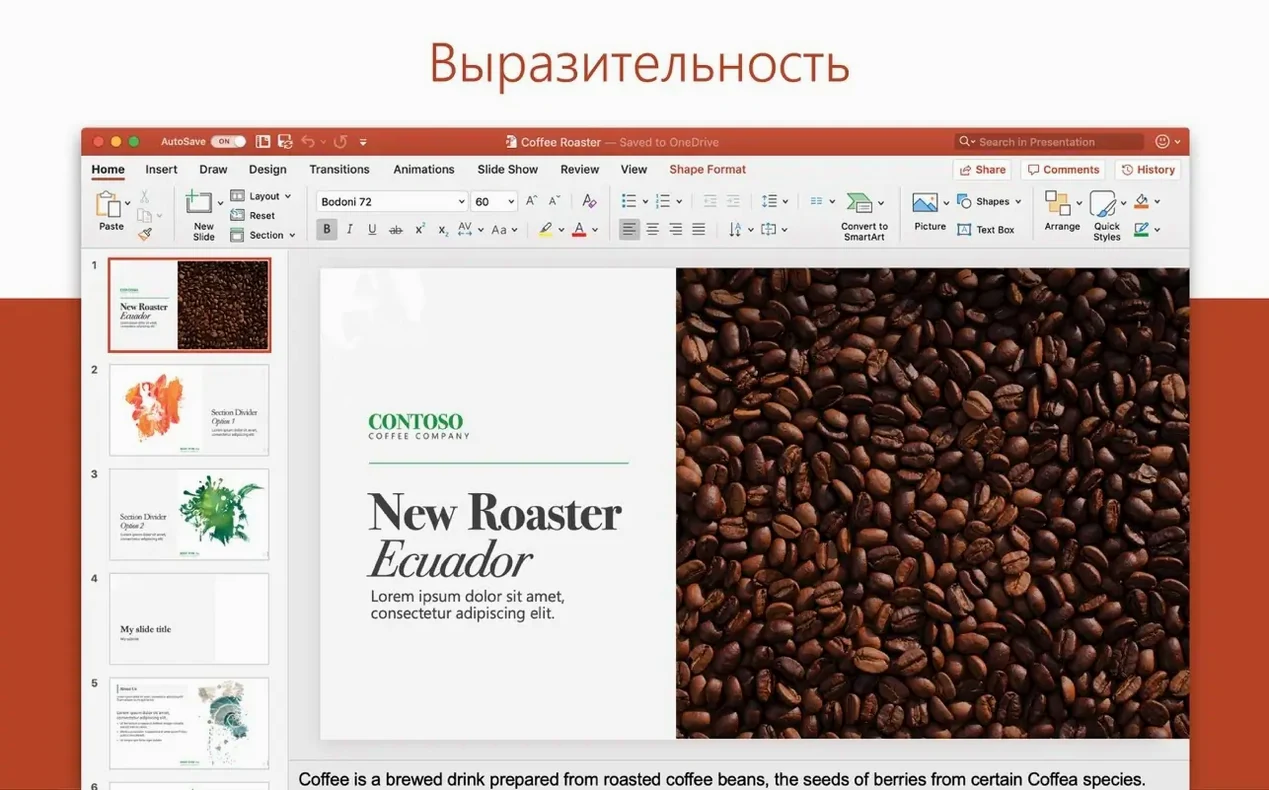
- PowerPoint — presentations with motion camera effects, 3D models, and icon libraries
- Outlook — email and calendars folded into a single app
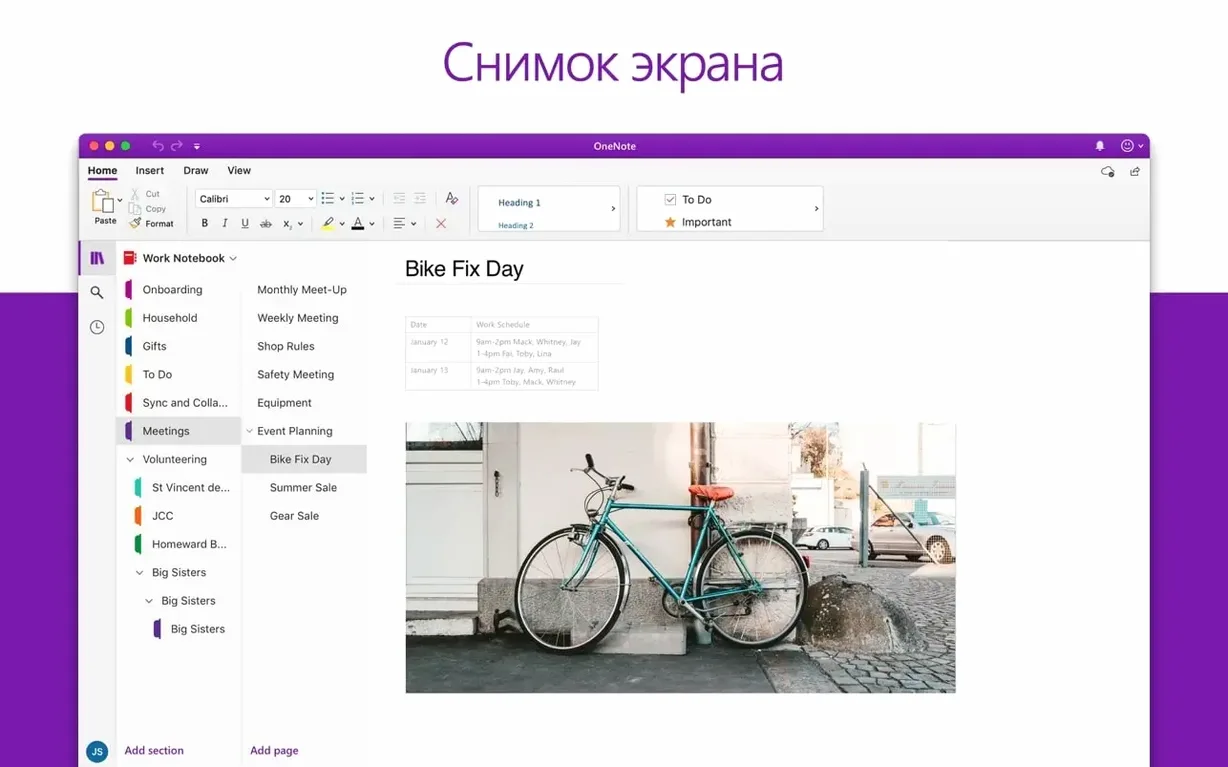
- OneNote — a freeform digital notebook for plans, notes, and scraps of thought
- OneDrive — cloud storage that keeps your files within arm's reach across devices
When Every Footnote Must Survive the Round Trip
This is a practical choice when you trade files with a Windows office all day and need every footnote, pivot table, and slide transition to survive the round trip intact. Students, writers, and anyone who lives inside a shared calendar will find the pieces they recognize. If you only need a single app like Excel, you can grab just that package from Microsoft's servers instead of the whole suite. The January 2025 release (version 16.93) keeps things current without changing the tools you already know.
Swap the Rental-Car Feel for Your Own Desk
Office drops you into its defaults and expects you to adjust from there. A few tweaks right after launching make the suite feel less like a rental car and more like your own desk.
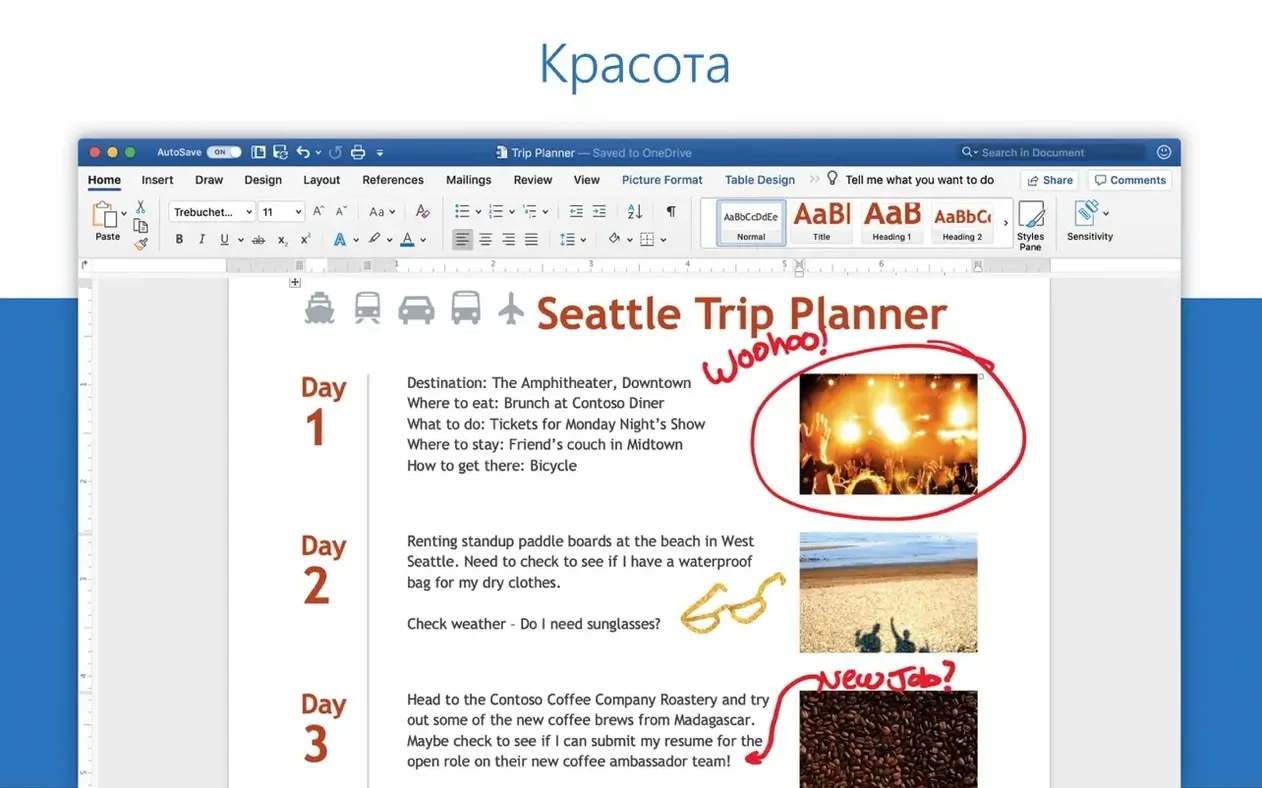
Open Word and head to Preferences → Save. Flip the default file format to Word Document (.docx) if it is still set to the older .doc compatibility mode — most people never notice this until a collaborator asks why their modern template broke. In the same panel, dial the auto‑save timer down to every 2 or 3 minutes. The default 10‑minute gap is wide enough to lose a paragraph you will rewrite five times and never get quite right again.
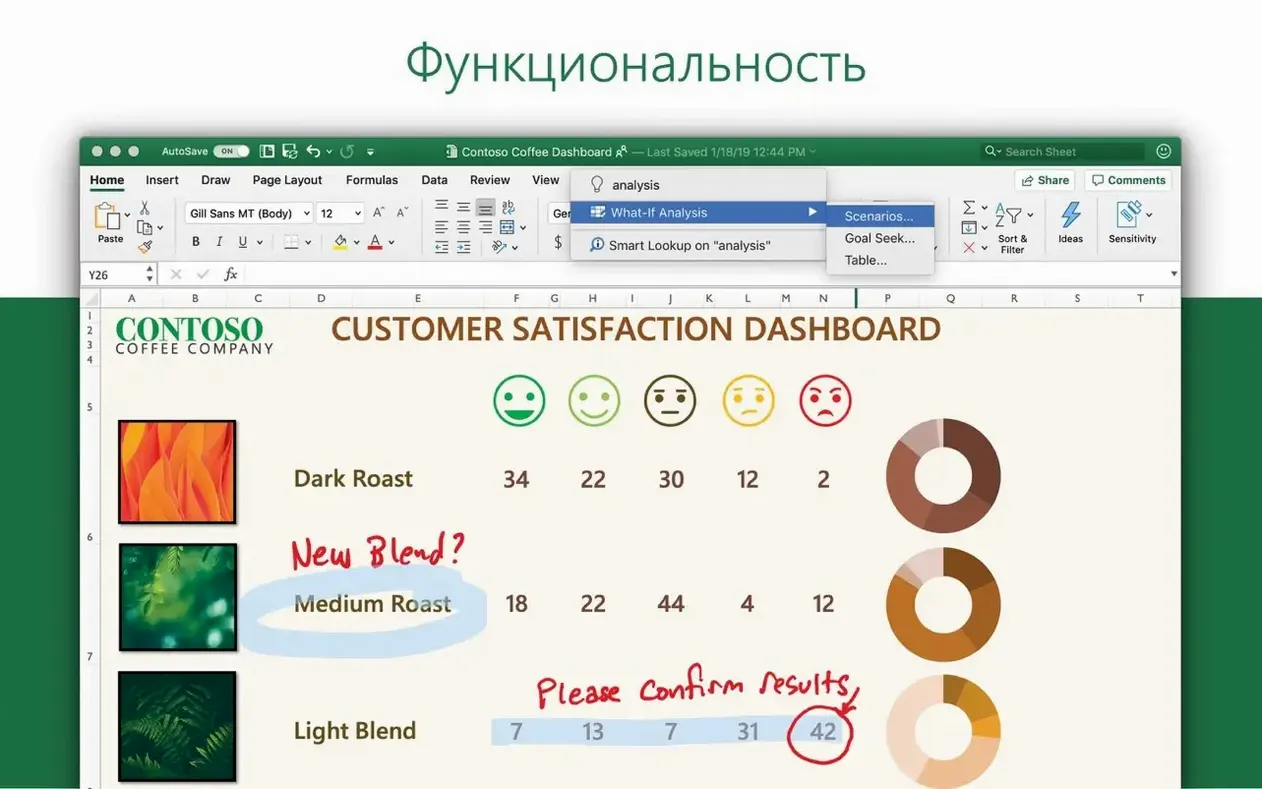
In Excel, Preferences → General holds a quiet gem: Use the system picker for Open and Save dialogs. Turn that on and you immediately get the familiar Mac file browser instead of Microsoft’s gray, cramped alternative. While you are there, switch the number of sheets in a new workbook from 1 to 3. It costs nothing and saves three extra clicks every time you start a fresh budget tracker or inventory list.
PowerPoint users should open Preferences → View and uncheck “Show start screen when PowerPoint opens.” That welcome screen is fine the first week, but after that it sits between you and your deck like a chatty receptionist who forgot your name. Also, under Preferences → Save, tick Embed fonts in the file if you ever present on a machine that is not your own. Nothing turns a polished talk into a ransom note faster than missing typefaces.
Outlook deserves a visit to Preferences → Notifications. The default behavior lights up your screen for every newsletter, calendar invite, and two‑word reply. Pick “Only in Inbox” or set per‑folder rules so your Focus mode is not overruled by a thread about snacks in the breakroom.
Co-Authoring Docs Across Operating System Lines
Three camps of Mac users tend to settle into Office without friction, and for reasons that go beyond habit.
People who co‑author documents with Windows colleagues. Pages and Numbers are elegant, but when a tracked‑change passes through three reviewers on different continents, the .docx format is the common language. Office on Mac speaks that language without an accent. Comments stick, margin notes survive, and a complex Excel formula written on a ThinkPad opens intact on a MacBook Air. If your weekly rhythm includes a shared PowerPoint deck that gets edited until five minutes before the meeting, the real‑time collaboration through OneDrive saves you from the chaos of “Presentation_final_v3_FINAL.pptx.”
Freelancers and solo operators who wear every hat. Monday morning might mean an invoice in Excel, a proposal in Word, and a client pitch in PowerPoint — all before lunch. Having one suite with consistent keyboard shortcuts, a shared clipboard, and a single updater cuts down the mental switching cost. You learn one set of quirks instead of three. The Outlook calendar doubles as a lightweight project timeline when you color‑code client deadlines against personal tasks.
Students in research‑heavy programs. Word’s citation manager is not as fancy as dedicated reference software, but it is built into the tool you are already writing in. Insert a source once and it follows every footnote and bibliography entry. OneNote sits alongside as the place where lecture notes, PDF clippings, and half‑formed thesis ideas collect without a rigid structure. The two apps talk to each other through drag‑and‑drop and the system share sheet.
From Napkin Estimates to a Kitchen Budget Sheet
Say you need to draft a budget for a kitchen renovation. You have estimates on napkins, a few photos of tile samples, and a contractor who emails three times a day. Here is how that goes from blank sheet to something you can hand to your partner without a disclaimer.
Open Excel and start with a fresh workbook. Rename the first sheet “Summary” and the second “Line Items.” On the Line Items sheet, set up four columns: Category, Item, Estimated Cost, Actual Cost. Type in your categories — Cabinets, Countertops, Appliances, Labor — and populate the rows. As you go, Excel’s autocomplete picks up repeated words, so “Cabinets” appears after two keystrokes. Fill in the estimated numbers from those emails and scribbled notes.
Select the Estimated Cost column, then hit the Insert tab and pick a clustered column chart. Drop it onto the Summary sheet. This gives you a visual split of where the money is headed before you have spent a dollar. Now click into the Actual Cost column and start entering real quotes as they arrive. A second chart, a simple line graph of estimated versus actual, shows you at a glance whether the cabinet hardware is quietly devouring your contingency fund.
When the contractor emails a revised labor quote, drag the .pdf attachment straight into the Line Items sheet. It lands as an embedded file you can double‑click anytime. No folder hunting, no “where did I save that.” For a final touch, use the Ideas button on the Home ribbon — it scans your Actual Cost data and surfaces the three categories where spending is highest, which is exactly the paragraph you need when explaining why the backsplash cost what it did.
Share the file through OneDrive and send the contractor a view‑only link. They see the numbers and charts but cannot edit them. You keep the master copy, and the budget walks into the meeting clean.
Treating It Like a Straight Windows Port
Most early stumbles are not about missing features. They come from treating Office for Mac like a straight port of the Windows version, which it is not, or from ignoring small settings that accumulate into daily annoyance.
Ignoring the AutoUpdate tool. People dismiss the Microsoft AutoUpdate pop‑up enough times that they fall two monthly versions behind. Then a collaborator sends a .docx with a feature the old build does not understand, and you waste an afternoon chasing a phantom formatting error. Let AutoUpdate run in the background. It pulls fresh builds from Microsoft’s servers and keeps your file compatibility honest.
Fighting the ribbon instead of customizing it. Beginners squint at the ribbon looking for a command that sits three clicks deep, every single time. Right‑click any tab and choose Customize the Ribbon. Drag your five most‑used buttons — Page Break, Paste Special, whatever you reach for constantly — into a new group. Ten minutes of setup saves a hundred tiny interruptions over the next month.
Using Outlook like a file cabinet. Dragging every attachment into an email folder bloats the database and makes search sluggish. Save attachments to a OneDrive folder and link to them from a task or calendar entry instead. Your Outlook profile stays lean, and OneDrive’s search is faster anyway.
Skipping the system save dialog in Excel. Sticking with Microsoft’s built‑in file browser because nobody told you about the preference checkbox. You end up saving spreadsheets to the wrong folder constantly, then hunting through Recent Files like a detective with no leads. Flip that switch in the first session and the problem vanishes.
Treating OneNote as a word processor. New users open OneNote and start typing paragraphs from margin to margin. OneNote is a canvas, not a typewriter. Click anywhere and drop a text box the size of a sticky note. Drag photos, voice memos, and web clippings onto the same page. If your notes look like a novel, you are using the wrong tool inside the suite.
Sign Into OneDrive on Day One
Give yourself a quiet first week with the suite. Not a full onboarding course — just a handful of habits that prevent the usual early friction.
Sign into OneDrive on day one, even if you do not plan to use cloud storage heavily. The real‑time collaboration buttons in Word, Excel, and PowerPoint stay grayed out until OneDrive is active. Once it is on, you can share a document with one click and watch a colleague’s edits appear as they type. That feature alone turns a solo tool into a shared workspace, and it is easy to miss if you skip the sign‑in step.
Pin Outlook to your Dock and set it to open at login. Many people treat Outlook as an afterthought and miss that its calendar ties directly into the macOS Notification Center. When a meeting reminder fires, it arrives as a native alert, not a buried window behind three other apps. The first time you join a video call from that notification instead of scrambling through an email thread, the habit pays for itself.
Open the Microsoft AutoUpdate app from the Help menu in any Office program and check “Automatic Download and Install.” The updates are monthly and modest in size, so they will not choke your bandwidth while you work. Keeping current means the occasional bug — like a font rendering glitch in PowerPoint — gets patched before you run into it on presentation day.
Spend twenty minutes with the Excel Ideas pane. Throw some sample data at it — even a grocery list with prices — just to see how it highlights patterns. Once you know what it looks for, you will spot chances to use it on real data later. It is the kind of feature that sits unnoticed until you remember it exists and suddenly your quarterly report gains a chart that answers a question nobody thought to ask.
If you are coming from an older Office version or a different suite, resist the urge to replicate your old setup exactly. Let Word keep its default Normal template for a few days before you start overriding styles. The current defaults handle Retina displays and dark mode more gracefully than custom templates ported from 2019. You can always tighten the margins later.
Version 16.93 shipped on January 14, 2025, rolling the latest Office suite build across Word, Excel, PowerPoint, Outlook, and OneNote.
- macOS 13 Ventura or later
- Apple Silicon or Intel processor
- 64-bit only — 32-bit Macs are not supported
Questions I actually get
Can I install just one app instead of the whole Office suite?
Yes. You can download individual packages for Word, Excel, PowerPoint, Outlook, or OneNote from Microsoft's official servers rather than installing the entire suite.
Porch talk 0
Come in or pull up a chair to leave a comment.
Nobody has pulled up a chair yet. If you used it on a real Saturday, say what the hour was.