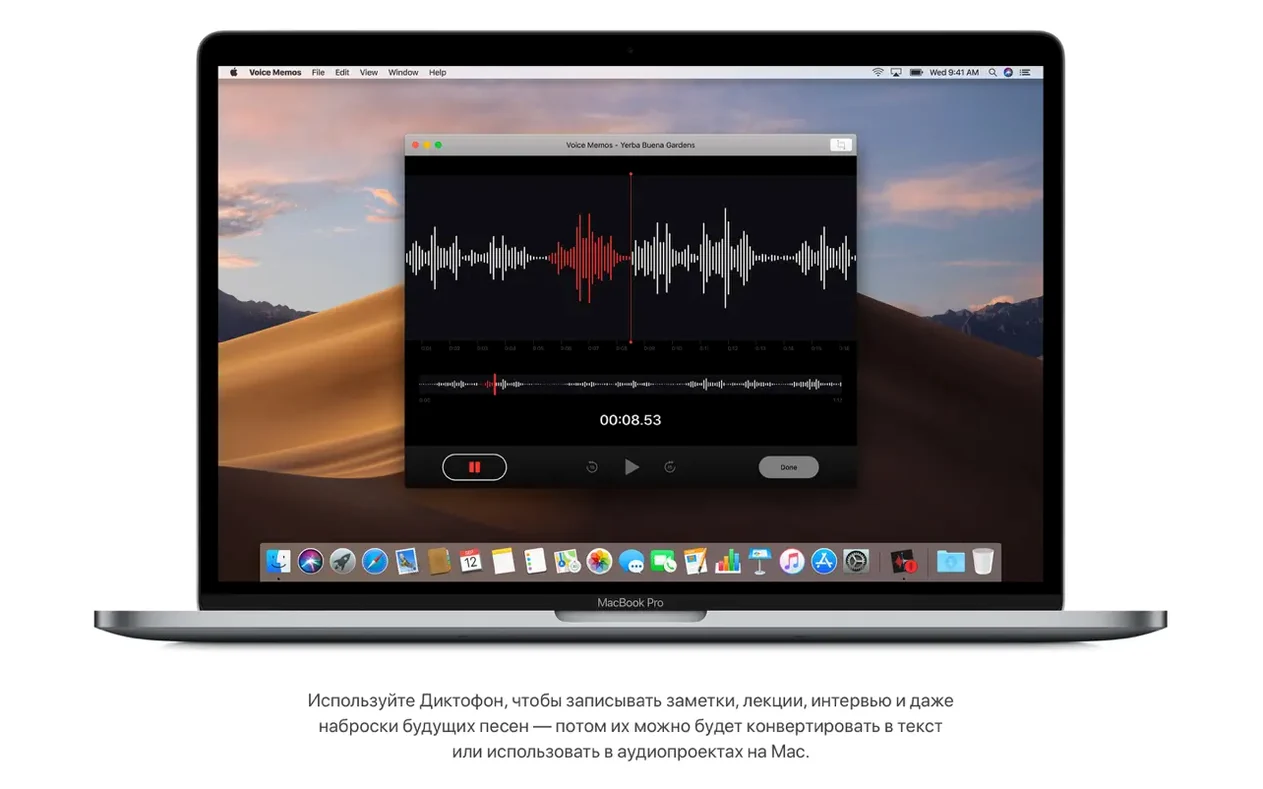
Your older Intel Mac still has plenty of life in it, but jumping to the newest macOS isn't on the table. That machine needs an operating system that meets it where it is—something stable that adds a few welcome touches without punishing the hardware. macOS Mojave 10.14.6 (18G103) sits right in that sweet spot. It asks for modest specs but still brought Dark Mode, a smarter Finder, and the Voice Memos and News apps to the desktop for the first time. Before you hunt down a mojave 10.14.6 download dmg, it's worth a quick check to see if your Mac makes the list.
- Supported models: MacBook Early 2015 or newer, MacBook Air and MacBook Pro Mid 2012 or newer, Mac mini and iMac Late 2012 or newer, iMac Pro (2017), and Mac Pro Late 2013 (or a mid-2010/mid-2012 model with a Metal-capable graphics card).
- Memory and storage: A minimum of 2 GB of RAM and 12.5 GB of free space on the drive.
- Architecture: 64-bit Intel processors only. Apple Silicon Macs are not compatible.
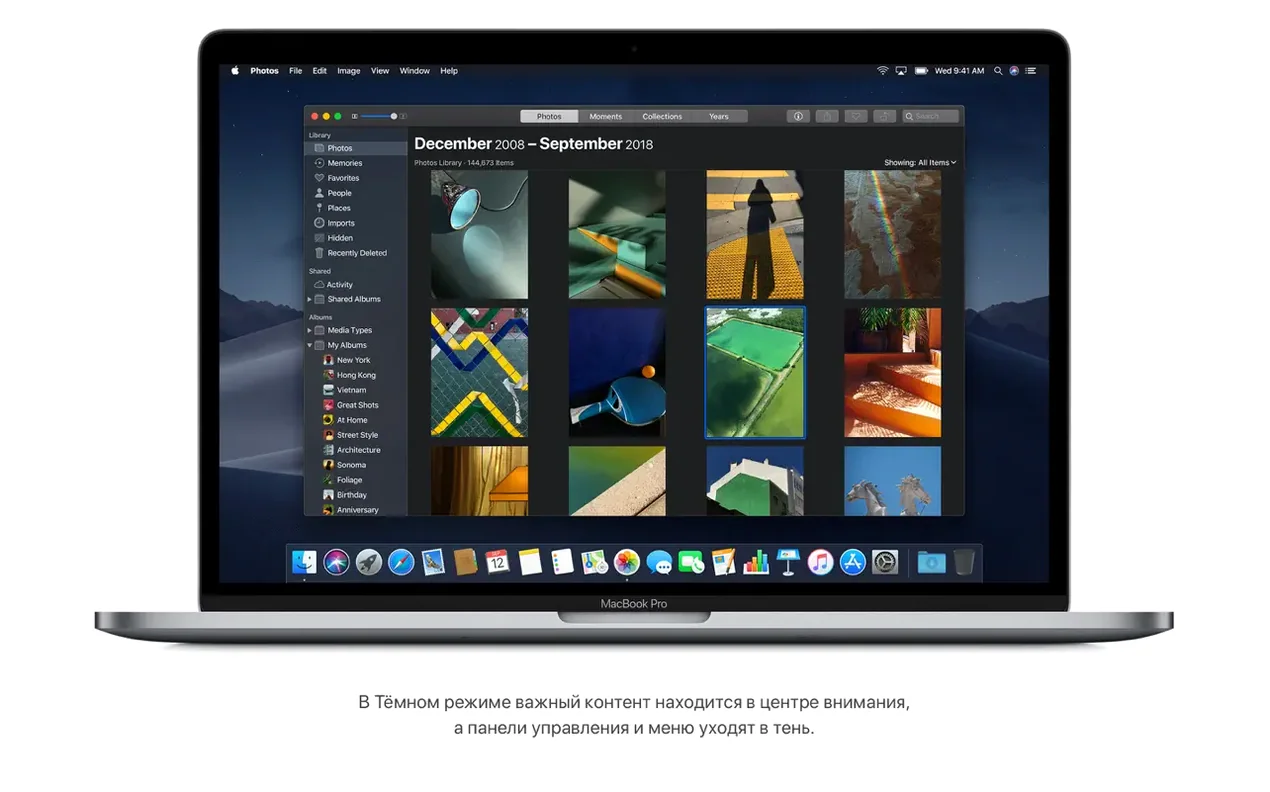
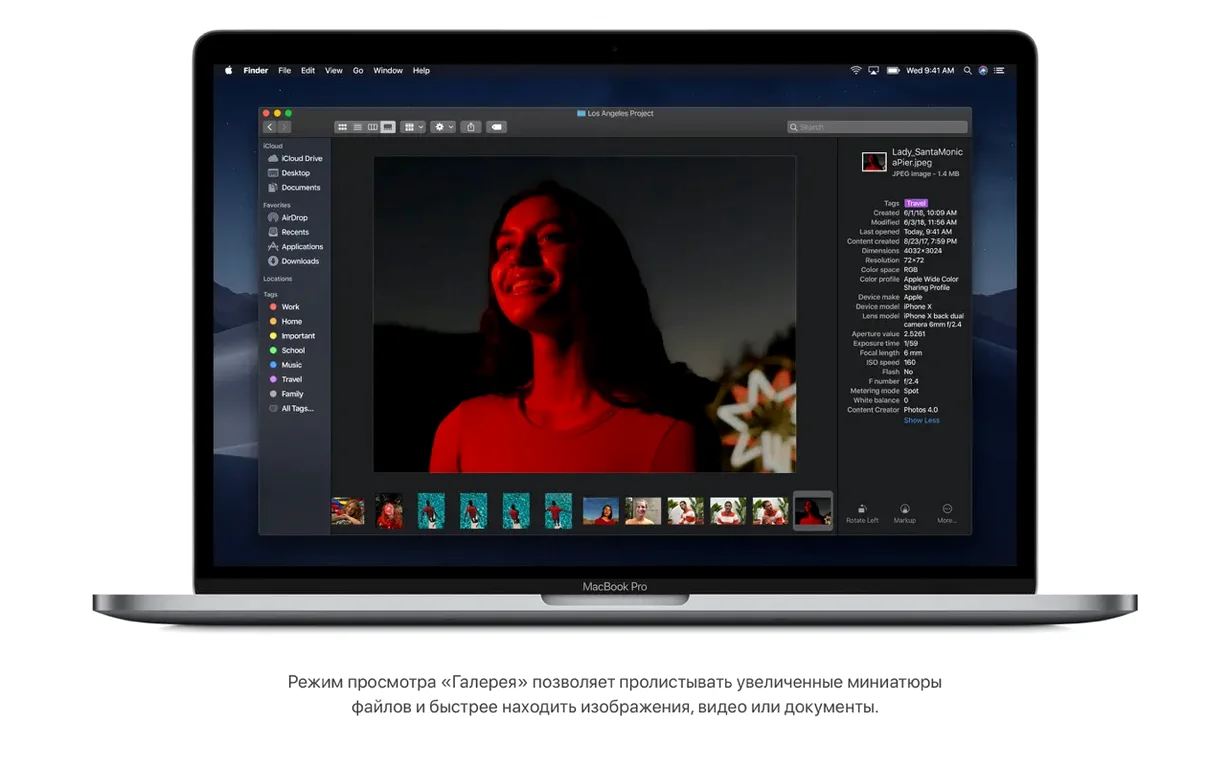
- Interface: A fresh Dark Mode, plus Finder gains a Gallery View for browsing files with large previews and rich metadata.
- Built-in tools: Quick media trimming and rotation right in the Finder, alongside new desktop arrivals like Voice Memos and the News app.
- Languages: The interface supports over 30 languages, including English, Spanish, German, Japanese, Arabic, Hindi, and Russian.
If your Mac is sitting on that compatibility list, you'll find the install straightforward. The update itself is small but meaningful—a stability and reliability tune-up that keeps things humming. Just remember that this is an Intel-only release, so folks with M-series chips need to look elsewhere. For anyone coaxing a few more productive years out of a trusty Intel machine, Mojave is a fine place to land.
How Mojave Stacks Up Against High Sierra and Catalina
When you're picking a macOS for an aging Intel Mac, the choice usually comes down to three neighbors: High Sierra, Mojave, and Catalina. Each one pulled the platform in a different direction, and Mojave carved out a comfortable middle lane that still feels sensible today.
High Sierra (10.13) introduced the Apple File System and laid groundwork, but its interface stayed light and familiar. If Dark Mode, desktop Stacks, and the News app don't call to you, High Sierra runs slightly leaner on older hardware. The trade-off is that you miss the Finder's media trimming tools, Gallery View, and Continuity camera integration—features that quietly save time once they're part of your routine.
Catalina (10.15) swung the other direction. It killed 32-bit app support entirely, split iTunes into three separate apps, and tightened security in ways that broke older software and peripherals. The benefit was Sidecar and a few Catalyst apps, but for many Intel Macs, Catalina introduced more friction than delight. Mojave kept 32-bit compatibility intact while still offering the modern touches—FaceTime group calls, the redesigned Mac App Store, and Safari's stronger tracking prevention—without severing ties to your existing library of tools.
If you value a dark, calm workspace and want Finder to do more without opening extra apps, Mojave is the pragmatic midpoint. It's the last release that feels generous to older software while looking forward.
A Photographer Holding Onto an Older iMac
Picture someone who shoots a weekend wedding or a family portrait session and comes home to a late 2015 iMac with a spinning hard drive. Upgrading the OS isn't about chasing new features—it's about keeping the machine useful for culling, light edits, and client previews without stuttering.
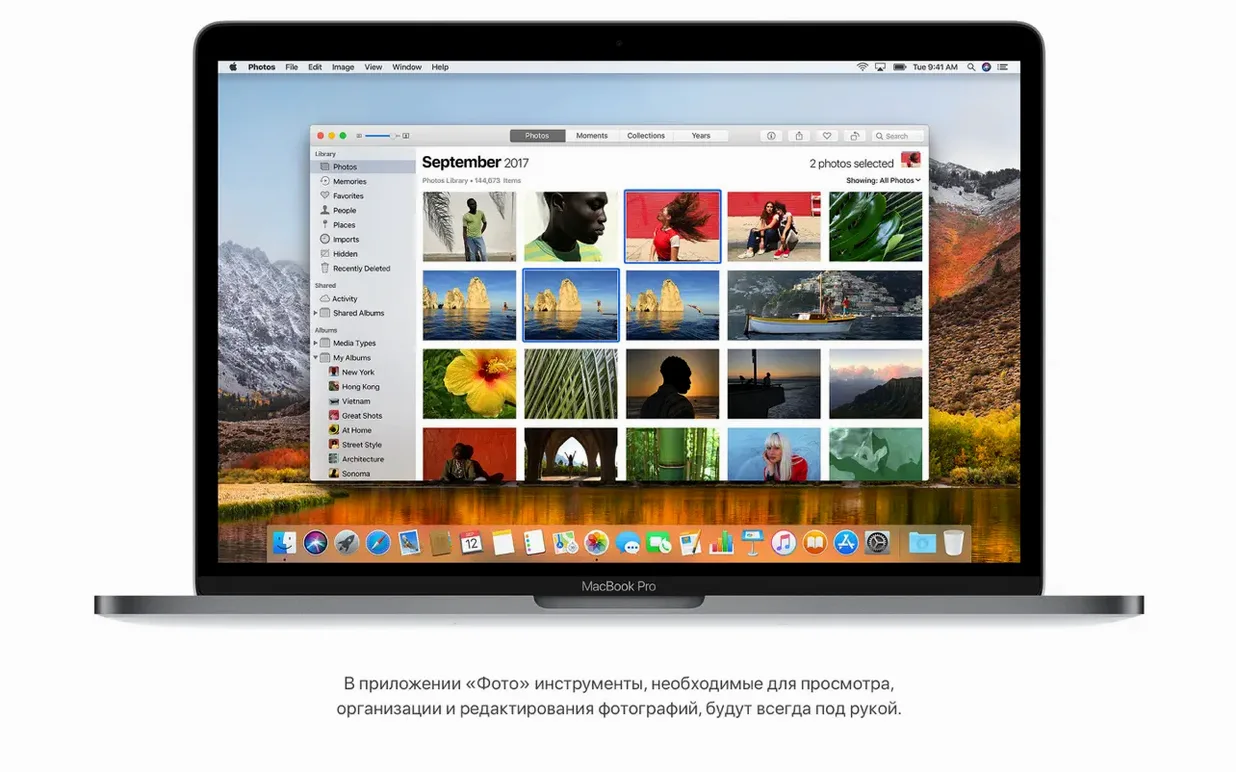
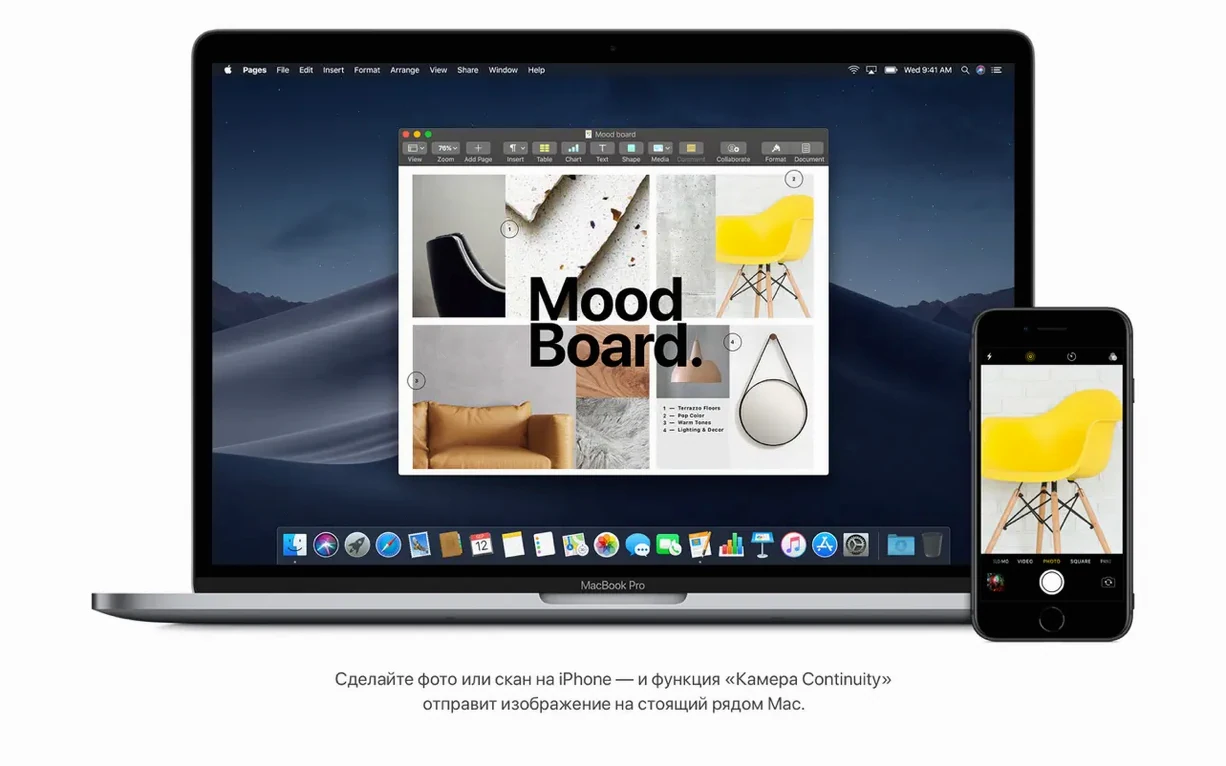
For that person, Mojave lands gently. Gallery View turns a folder of RAW files into a scrollable strip of large thumbnails with exposure and date metadata visible at a glance—no need to launch Lightroom just to find the keepers. The inline rotation tool fixes an upside-down shot in two clicks, and marking a batch of selects with color tags happens right in the Finder window. When a client needs a quick proof, the Continuity camera pops a fresh iPhone photo straight onto the desktop. The machine stays on familiar ground, and the workflow doesn't grind to a halt.
Building a Clean Desktop and Organizing Projects in an Afternoon
Here's a Saturday scenario: the desktop has become a dumping ground for screenshots, PDFs, exported images, and a few stray text files. The goal is to tidy it up and then sort a folder of project assets without opening anything beyond the Finder.
Start by turning on Stacks. Right-click the desktop, choose Use Stacks, and watch everything snap into grouped clusters—images, documents, spreadsheets, each in its own neat pile. Click a stack to fan it open, drag the important files to a project folder, and leave the rest for later. It's instantaneous, and the calm of a clear desktop sets the tone for the next step.
Open the project folder and switch to Gallery View. Scroll through the thumbnails using the arrow keys, and when you spot a screenshot with sensitive information, hit the spacebar for Quick Look, then click the Markup button to redact a name. For a PDF contract that needs a password before sharing, right-click it in the same view, choose Encrypt from the Finder's new contextual options, and set a password—no Preview or third-party tool necessary. Rotate a sideways product photo the same way, then drag the finished assets into a new folder named "Client Ready."
The whole task—decluttering the desktop, redacting a file, password-protecting a contract, and rotating images—stays inside one app: the Finder. That's a quiet kind of efficiency that didn't exist before Mojave, and it's exactly why users still reach for a macOS Mojave torrent or a Mojave 10.14.6 download DMG when an older Mac needs a second act.
The 10.14.6 update is a maintenance release that focuses entirely on improving the stability and reliability of your Mac.
- 2 GB of memory
- 12.5 GB of available storage
- Intel 64-bit processor
- MacBook Early 2015 or newer
- MacBook Air Mid 2012 or newer
- MacBook Pro Mid 2012 or newer
- Mac mini Late 2012 or newer
- iMac Late 2012 or newer
- iMac Pro (2017)
- Mac Pro Late 2013, or mid-2010/mid-2012 with Metal-capable graphics
Questions I actually get
Can I install macOS Mojave on a Mac with an Apple Silicon chip?
No, macOS Mojave supports 64-bit Intel architecture exclusively and cannot be installed on any Mac with an M1, M2, or later Apple Silicon chip.
Porch talk 0
Come in or pull up a chair to leave a comment.
Nobody has pulled up a chair yet. If you used it on a real Saturday, say what the hour was.