
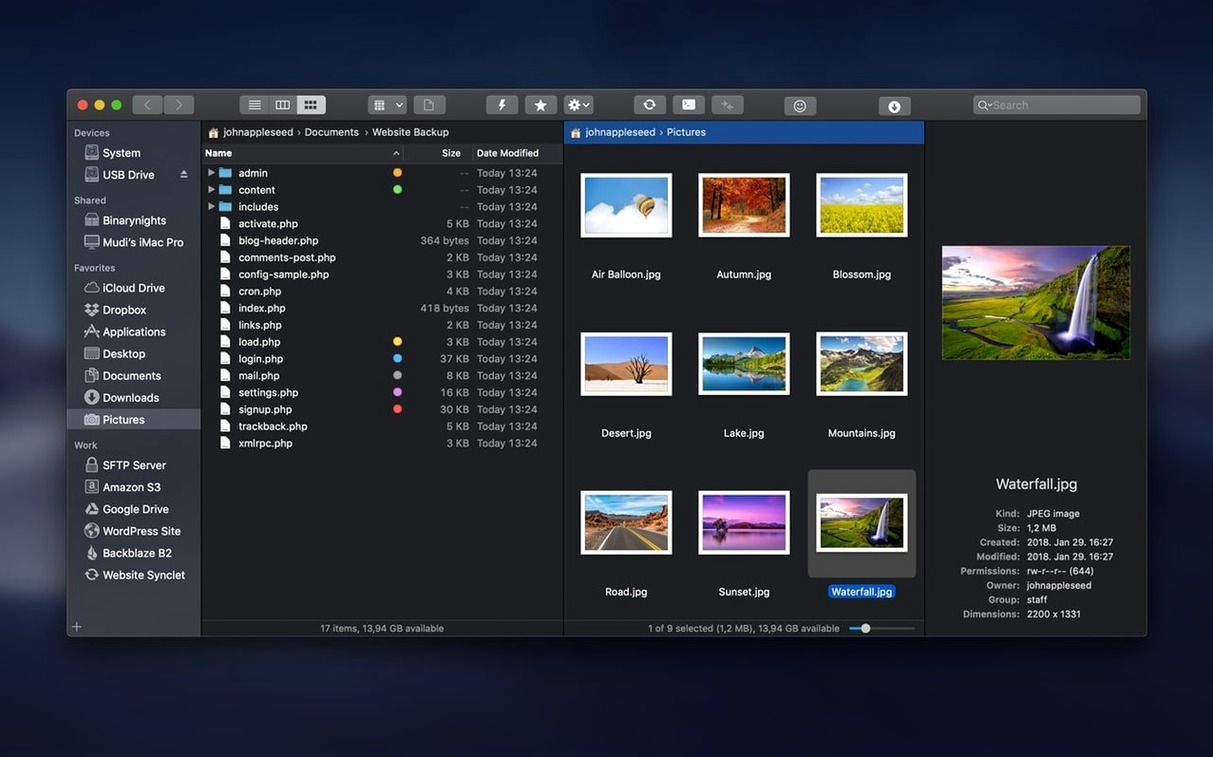
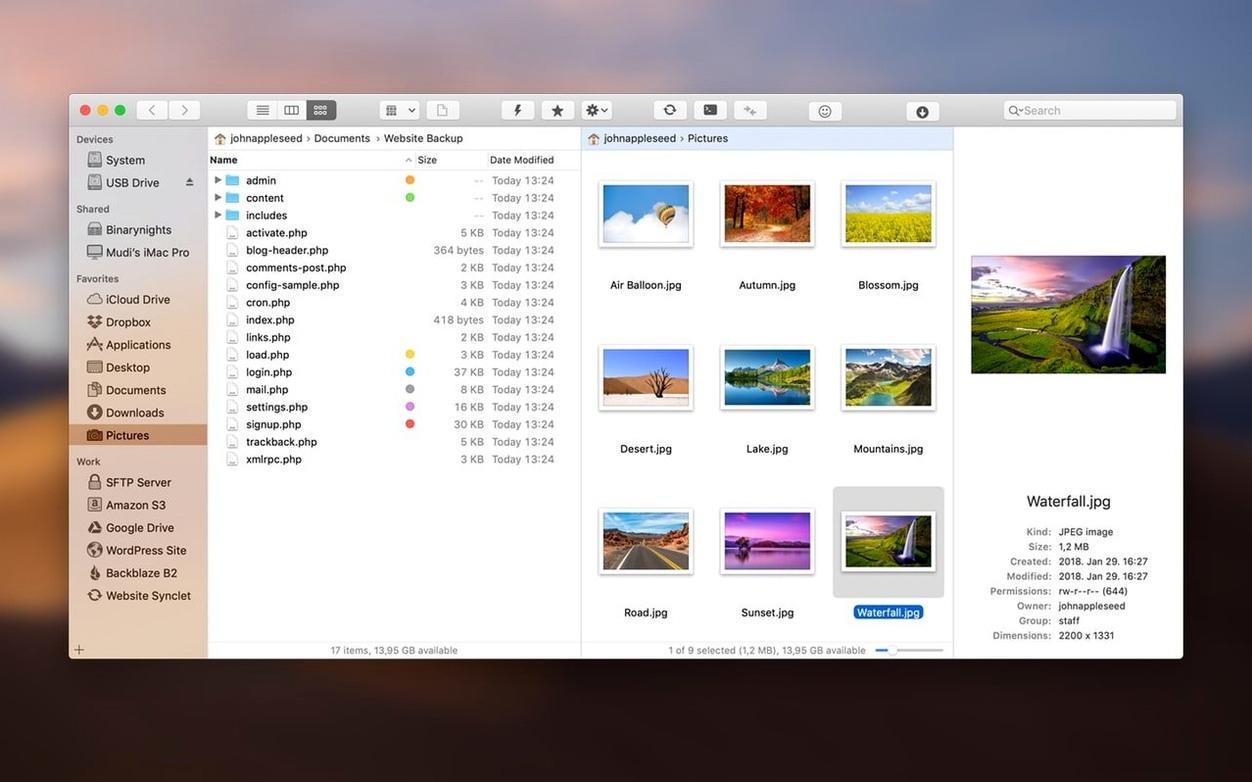
Version 4.7.6 smooths out daily file interactions and squashes a pair of hiccups specific to macOS 27 Golden Gate, so the dual-pane workflow feels a little more predictable right where Apple's latest betas tend to throw curveballs.
What ForkLift is — A dual-pane Mac file manager built to stand in for the Finder, with a full FTP client woven into the same window.
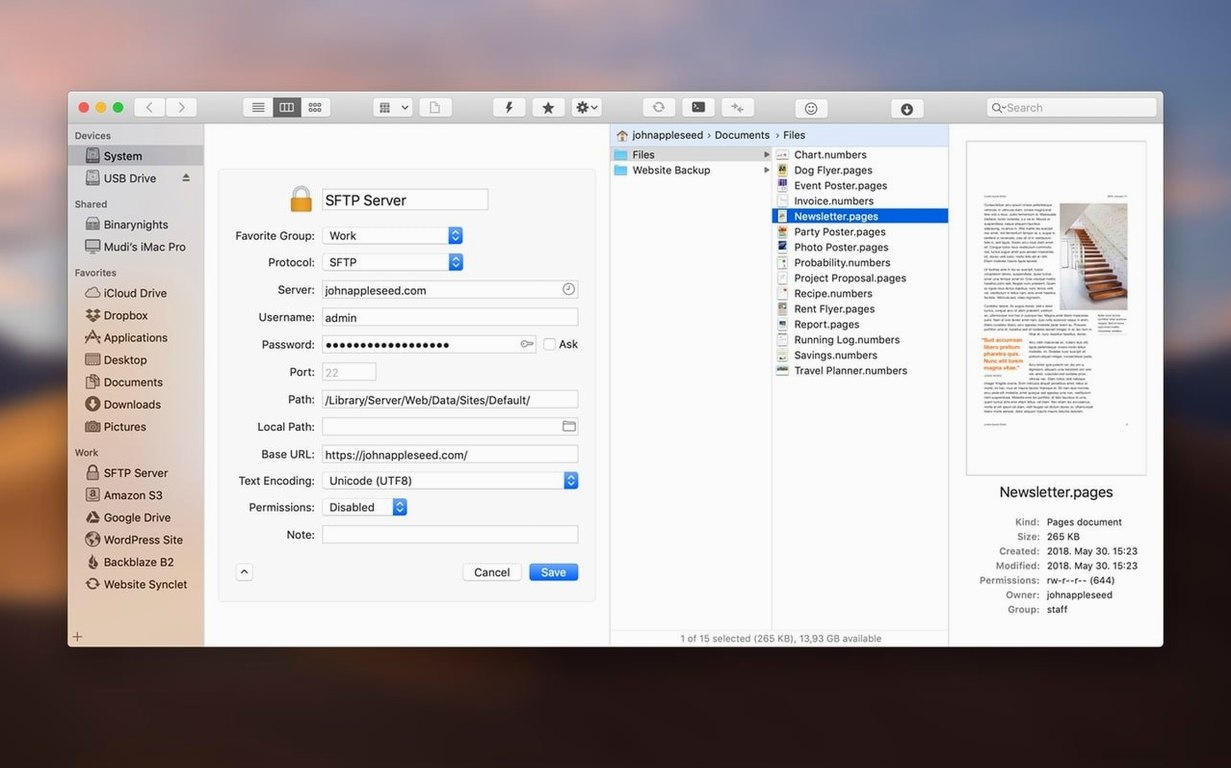
What it connects to — FTP, SFTP, Amazon S3, AFP, WebDAV, SMB, and NFS remote volumes. You can keep several server connections live at once and flip between local and remote panes without opening separate apps.
Archive browsing — Peek inside zip, rar, and similar archives as though they were ordinary folders, no extraction required first.
Search across the board — Hunt down files by name, extension, text inside documents, or Finder tags, whether they sit on your desktop or on a remote server.
Will it run? — It asks for macOS 12 or newer on an Intel Mac. If you're still on an older system, the app won't launch, so check your About This Mac before you track down a forklift 3 download.
Plays Nice With Finder, Not a Hostile Takeover
One thing I hear a lot from folks eyeing a dual-pane manager for the first time: "Does this play nice with the Finder, or does it take over?"
ForkLift sits alongside the Finder. It won't hijack your default file handler or mess with desktop icons — you open it when you need it, set it as the default FTP handler if you like, and leave it closed when you don't. You're not committing to anything.
The other big question is about remote connections. Anyone who has wrestled with Cyberduck or Transmit wonders whether ForkLift can handle multiple servers without grinding to a halt. It can. The connection manager keeps a sidebar list of saved servers, and you can ping-pong between an S3 bucket on the left and a local project folder on the right without closing one to open the other. The only real bottleneck is your own bandwidth.
And yes, people ask about security on a forklift mac setup. SFTP keys and keychain integration work as you'd expect — no surprise plaintext password files. If you're used to a standalone FTP client, you'll find the same safeguards here.
Swap Pane Orientation for Instant Comfort
The out-of-the-box layout works, but three tweaks make it feel like your own tool instead of someone else's:
- Pane arrangement. In Preferences under General, switch between horizontal and vertical split. Horizontal gives you two tall, skinny panes; vertical is the classic Commander-style layout. Try both for five minutes — your preference will be immediate.
- Double-click behavior. The default opens folders in the same pane. If you're migrating from the Finder, you might want a double-click to open a new tab instead. That setting lives in Preferences > General, and it saves you from the disorienting feeling of losing your place in a deep folder tree.
- External editor. ForkLift includes a built-in text editor, but it's no BBEdit. Point the External Editor preference to your editor of choice (VS Code, Nova, whatever you live in), and remote file edits open there instead. The app syncs changes back to the server when you save — no extra step.
Preview Sync Diffs Before You Commit
The most common stumble: treating sync like a one-click magic wand. ForkLift's one-way and two-way synchronization tools are powerful, but clicking "Sync" without previewing the diff first leads to overwritten files and regret. Always hit the Compare button, eyeball the list of changes, and uncheck anything that looks wrong before committing.
Another one: dragging files between panes without checking whether the destination pane is local or remote. It's easy to glance at a remote server pane and assume you're on the desktop, then wonder where that 2 GB folder went. The path bar at the top of each pane is your friend — make a habit of glancing at it.
People hunting for a forklift 3 download sometimes land on this version expecting a familiar interface. Version 4 rearranged a few things, particularly the favorites bar. If you feel lost, right-click the toolbar and customize it; you can drag your most-used actions (connect, sync, terminal) right where your muscle memory expects them.
Last one: ignoring the preview pane. New users often drill into files by opening them one at a time, but the preview pane handles PDFs, images, and text files inline. Select a file, tap Space, and you'll see it without launching another app. It's a small thing that eliminates a lot of unnecessary window clutter over the course of a workday.
The 4.7.6 update is a quiet maintenance pass. Interactions when copying or moving files feel more responsive, and two specific bugs that appeared on macOS 27 Golden Gate have been patched out.
- macOS 12 or later
- Intel processor
Porch talk 0
Come in or pull up a chair to leave a comment.
Nobody has pulled up a chair yet. If you used it on a real Saturday, say what the hour was.