
Trying to stitch together a coherent mix from a scattered folder of one-off plugins often ends with more time tweaking settings than actually listening. A unified suite puts the whole toolbox under one roof.
Formats — The collection works across the major plugin standards. You are not locked to a single DAW.
Hosts — It integrates with a wide range of recording software on macOS 11 and later, running natively on both Apple Silicon and Intel machines.
Compatibility — The 2026.02 release keeps the suite current with modern Mac architecture. No Rosetta workaround needed for ARM systems.
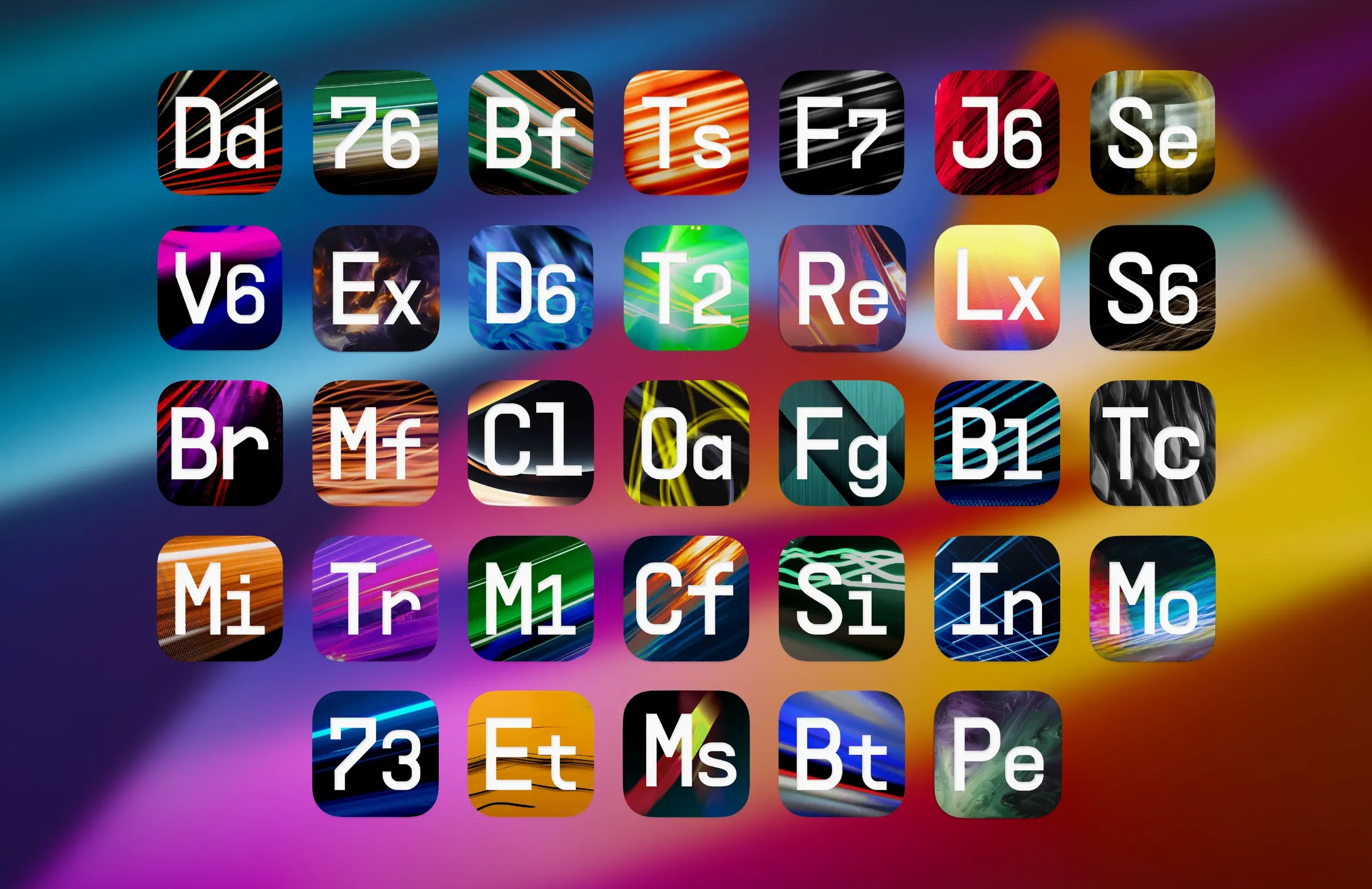
That is the practical scaffolding. The sound is where things get interesting. The suite bundles 39 processors, ranging from vintage console and tape emulations to modern, clean digital tools. You get a full spread of compressors, equalizers, reverbs, delays, modulation effects, distortion units, and filters. Parallel processing is built into the framework, letting you blend a heavily saturated drum bus back in with the dry signal without creating a routing tangle in your DAW.
This version introduces three new pieces of gear. Efx Ambient handles large, textured spaces. Tape J-37 models a specific studio tape machine for gentle compression and saturation. Mix Drums gives you a dedicated channel strip for shaping a drum bus quickly. The collection balances character pieces that add grit and warmth with precise tools for corrective work. It is a good fit for producers who want to stop auditioning plugins and start building a consistent sonic palette.
Pro Tools Users Hit a Missing AAX Plug‑in
Even a polished suite throws a curveball now and then. The first thing most people notice is that AAX is not part of the package. If you rely on Pro Tools as your main DAW, you will need to host these effects inside a wrapper or use a different plugin format. It is a limitation, not a bug, and it has been consistent across recent releases.
Another hiccup crops up with preset browsing. The suite pulls from a library of over 1,400 presets, and on a first launch, the plugin sometimes takes a few seconds to index them all. If the preset browser feels sluggish or shows an incomplete list, quit your DAW, relaunch it, and give the plugin a moment to settle before clicking around. The index builds once and then stays snappy.
Activation confusion is the other big one. The included instructions walk you through it, but skipping a step leaves the plugins in demo mode, where periodic silence or noise bursts interrupt playback. Double-check that every component listed in the package has been installed before you run the activation. Missing one small utility can keep the whole suite from recognizing the license.
On older Intel Macs, a few of the heavier tape and reverb models can spike the CPU if you stack them on multiple tracks. Freezing or bouncing tracks with those effects printed is the practical workaround. Apple Silicon machines handle the load more comfortably, so the issue mainly affects users on the trailing edge of the hardware support window.
Three New Processors Fill Old Workflow Gaps
Arturia dropped FX Collection 6 on February 19, 2026, and the update touches real workflow, not just spec sheets. Three fresh processors joined the roster, and each fills a gap that used to require reaching for a separate tool.
Efx Ambient is the standout for sound designers. It builds washes and evolving textures that go beyond a standard reverb tail, blending multiple layers of diffusion and modulation. If you score to picture or make ambient electronic music, it shortens the trip from a dry synth line to something cinematic.
Tape J-37 models a specific Studer machine, and it lands somewhere between a saturator and a gentle compressor. Running a vocal or a drum bus through it nudges the transients into a softer shape without squashing the dynamics. It has become the quick go-to for adding a bit of glue and warmth before the final limiter.
Mix Drums is a channel strip built for a single job: making a drum bus sound finished. It layers EQ, compression, and transient shaping in one window. Instead of patching three separate plugins and adjusting gain staging between them, you dial in the whole picture in one place. The Bus Transient processor, also new in this edition, gives you independent control over attack and sustain on grouped tracks, which pairs naturally with the drum strip.
The Pitch Shifter-910 rounds out the additions. It is a character shifter, not a surgical tuning tool. Running a guitar line through it with a slight detune and a short delay creates doubling effects that sit well in a dense mix. The 2026.02 collection now totals 39 effects, and the new pieces lean toward hands-on sound shaping rather than menu-diving.
Soundtoys Keeps It Lean, Arturia Covers All Three Buckets
Three other bundles tend to come up in the same conversation, and each takes a different approach.
Soundtoys 5 shares the vintage-inspired DNA. Where Arturia spreads across 39 processors covering mixing, modulation, and ambience, Soundtoys concentrates on a smaller set of character effects with deeper individual controls. Decapitator, EchoBoy, and Little Plate are beloved for good reason, but you do not get the breadth of compressors and EQs that Arturia includes. Soundtoys excels at creative sound design; Arturia covers that ground while also handling utility mixing tasks.
iZotope’s mixing and mastering bundle leans in the opposite direction. It prioritizes intelligent analysis and corrective processing, with tools like Neutron and Ozone doing a lot of the heavy lifting via assistive features. The Arturia suite is more hands-on and tactile, rewarding manual tweaking over automated suggestions. If you want a computer-aided mix, iZotope is the pick. If you want to twist virtual knobs and build a chain piece by piece, Arturia feels more like hardware.
Waves Horizon is the sheer-volume competitor, packing dozens of plugins that range from classic console emulations to modern effects. The overlap is significant, and many producers use bits of both. The difference often comes down to the unified browsing system and the consistent interface that Arturia maintains across all 39 processors. Waves plugins can feel like a collection gathered from different eras, while Arturia keeps a cohesive look and feel that speeds up learning new additions.
Where Arturia carves out its own spot is in the middle ground: enough variety to mix a full record, enough character to push sounds into new territory, and a unified design that keeps you focused on listening rather than managing a patchwork of separate installers and authorization tools. If you have been patching together a folder of one-off freebies and demo plugins, the collection wraps most of what you need into a single consistent set.
The 2026.02 update, announced on February 19th, brings three new effects into the fold.
- Efx Ambient — A new processor for creating lush, evolving spatial textures.
- Tape J-37 — An emulation of a classic studio tape machine, adding gentle saturation and movement.
- Mix Drums — A dedicated channel strip for quickly processing and gluing a drum bus together.
- macOS 11 or later
- Apple Silicon or Intel processor
Porch talk 0
Come in or pull up a chair to leave a comment.
Nobody has pulled up a chair yet. If you used it on a real Saturday, say what the hour was.
More for the same hour
Everything in VST Plugins Arturia Emulator II V
1.6.2 VST Plugins
700 MB
Arturia Emulator II V
1.6.2 VST Plugins
700 MB
 Arturia Mellotron V
1.9.3 VST Plugins
2.1 GB
Arturia Mellotron V
1.9.3 VST Plugins
2.1 GB
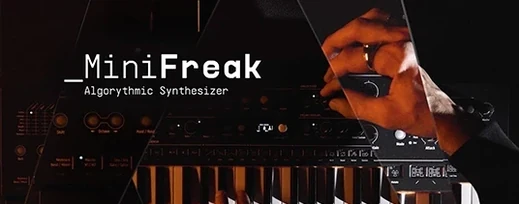 Arturia MiniFreak V
5.0.1-5869 VST Plugins
Updated 477 MB
Arturia MiniFreak V
5.0.1-5869 VST Plugins
Updated 477 MB
 Arturia Efx AMBIENT
1.0.0 VST Plugins
285 MB
Arturia Efx AMBIENT
1.0.0 VST Plugins
285 MB
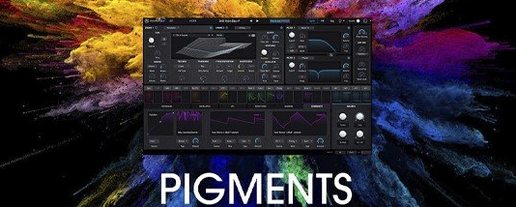 Arturia Pigments
7.0.1-6772 VST Plugins
1.8 GB
Arturia Pigments
7.0.1-6772 VST Plugins
1.8 GB
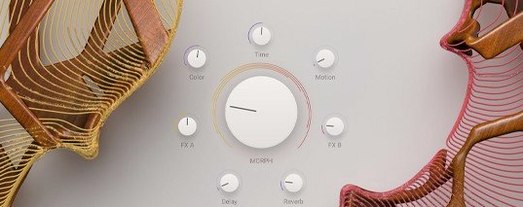 Arturia Augmented STRINGS
2.0.0 VST Plugins
4.9 GB
Arturia Augmented STRINGS
2.0.0 VST Plugins
4.9 GB
 Arturia Analog Lab V
5.12.0 VST Plugins
4.4 GB
Arturia Analog Lab V
5.12.0 VST Plugins
4.4 GB
 Arturia V Collection 11 Pro
2025.20.26 VST Plugins
53.8 GB
Arturia V Collection 11 Pro
2025.20.26 VST Plugins
53.8 GB