
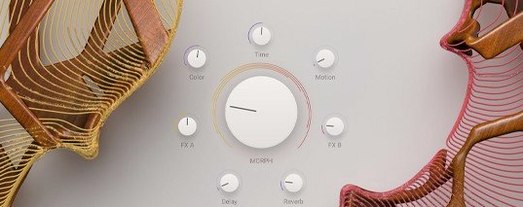
You drop a string part into a sparse arrangement, but the sampled quartet feels too literal. You need the emotional weight of rosin on gut, yet you want the tail to dissolve into something the players could never produce. That is where Augmented STRINGS sits in a session — on an instrument track, fed by a MIDI performance, blending two layers of reality.
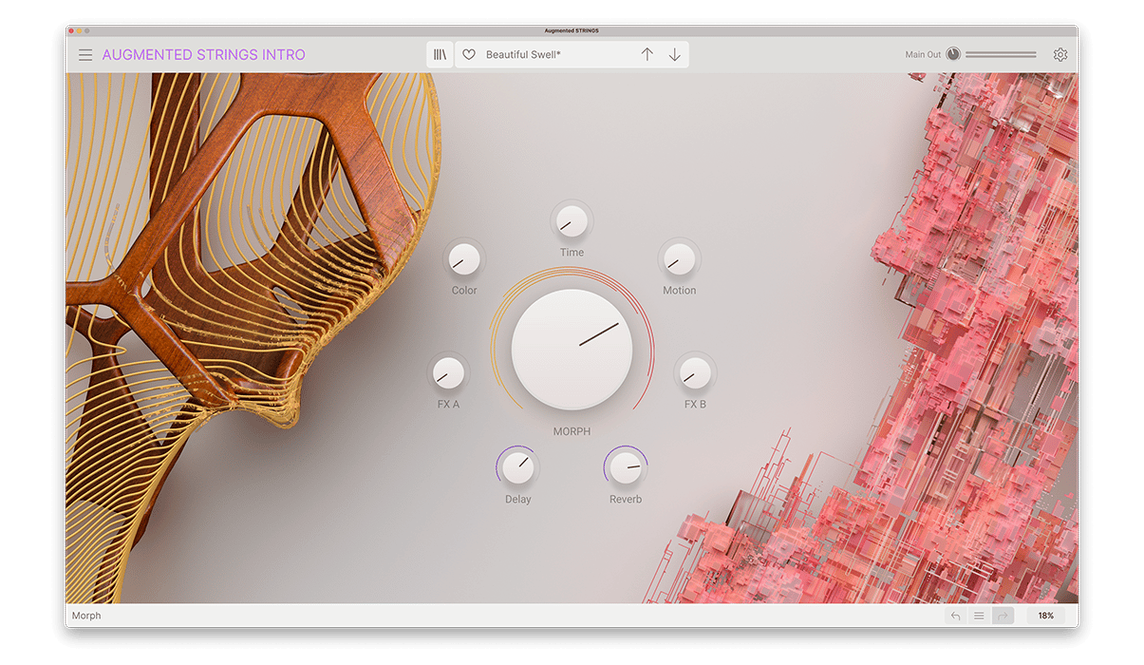
The core trick is the Morph control, which lets you glide between layer A (the sampled acoustic ensemble or solo performance) and layer B (a synthesizer engine). Version 2.0.0 pushes this further with up to eight custom destinations, so a single fader can simultaneously push the strings into a darker space while opening a granular cloud. The four synthesis types — wavetable, granular, harmonic, and virtual analog — give you plenty of raw material to pair against the multi-miked acoustic recordings.
On a bus, it serves as a textural bed. Run a simple two-note motif through the sequencer and slowly morph toward the abstract side; the result sits underneath a lead vocal without crowding the center image. The dynamic sequencing responds to velocity in a musical way, so the part breathes instead of looping mechanically.
Silent Preset Fix Starts at the Layer Sliders
One of the first things that trips people up is loading the plug-in and hearing nothing, even with MIDI data lighting up the track. Nine times out of ten, both the layer A and layer B volume sliders in the mixer section got nudged to zero during preset browsing. Open the mixer panel, check that each source is unmuted, and tap a key — the meters should jump.
Another frequent headache involves the Morph control snapping back to center. If your controller has a spring-loaded fader sending constant reset messages, Augmented STRINGS will dutifully jump to 50% every time you let go. Head into the MIDI learn assignment, right-click the Morph destination, and uncheck "Receive from host automation." That way, only deliberate moves from the on-screen control or an unlatched MIDI CC will shift the blend.
CPU spikes during dense chord voicings can also surprise newcomers. The dual-layer engine with four synthesis slots per layer is hungry, especially at low buffer sizes. If you hear pops during a morph-heavy passage, freeze the acoustic layer track first — the samples are the bigger draw — and let the synth side run live for real-time tweaking. On Apple Silicon machines, the standalone version often spreads the load more evenly than a DAW-hosted instance surrounded by other processing.
Swap a Wavetable Engine to Unlock Real Character
A common early move is treating the synth layer as an afterthought, scrolling through presets without ever touching the four synthesis engines. The real character lives in swapping a basic wavetable for the harmonic engine, then detuning it slightly against the sampled quartet. Spend ten minutes with an init patch, auditioning each engine type against the same acoustic performance, before you reach for any macro knob.
Another misstep is overloading the Morph destinations. Eight slots are available, but assigning all of them to broad, dramatic sweeps — filter cutoff, reverb size, granular density, and delay feedback all at once — quickly turns a subtle transition into sonic mud. Pick two or three parameters that serve the arrangement, and keep the rest for occasional automation passes.
Beginners also ignore the microphone settings on the acoustic side entirely. The close mic pair cuts through a busy mix with more bow noise and presence; the room mics push the strings back into a wash that blends beautifully with the granular engine. Dialing in the right mic combination often solves a masking problem faster than reaching for an EQ. If you grabbed an arturia augmented strings mac torrent to explore the instrument, take the extra moment to assign your mod wheel to a gentle Morph range — it turns a static pad into a phrase that shifts under the fingers.
Try it when a straight orchestral library feels too polite and a pure synth patch lacks the organic bite of a bow catching string.
- macOS 11 or later
- Apple Silicon or Intel processor
- 64-bit DAW host (VST, AU, AAX)
Questions I actually get
What is the Morph control in Augmented STRINGS?
It is a continuous crossfader that blends between two sound layers — typically an acoustic string performance and a synthesized layer — with support for up to eight custom modulation destinations.
Porch talk 0
Come in or pull up a chair to leave a comment.
Nobody has pulled up a chair yet. If you used it on a real Saturday, say what the hour was.
More for the same hour
Everything in VST Plugins Arturia Analog Lab V
5.12.0 VST Plugins
4.4 GB
Arturia Analog Lab V
5.12.0 VST Plugins
4.4 GB
 Arturia Efx AMBIENT
1.0.0 VST Plugins
285 MB
Arturia Efx AMBIENT
1.0.0 VST Plugins
285 MB
 Arturia Emulator II V
1.6.2 VST Plugins
700 MB
Arturia Emulator II V
1.6.2 VST Plugins
700 MB
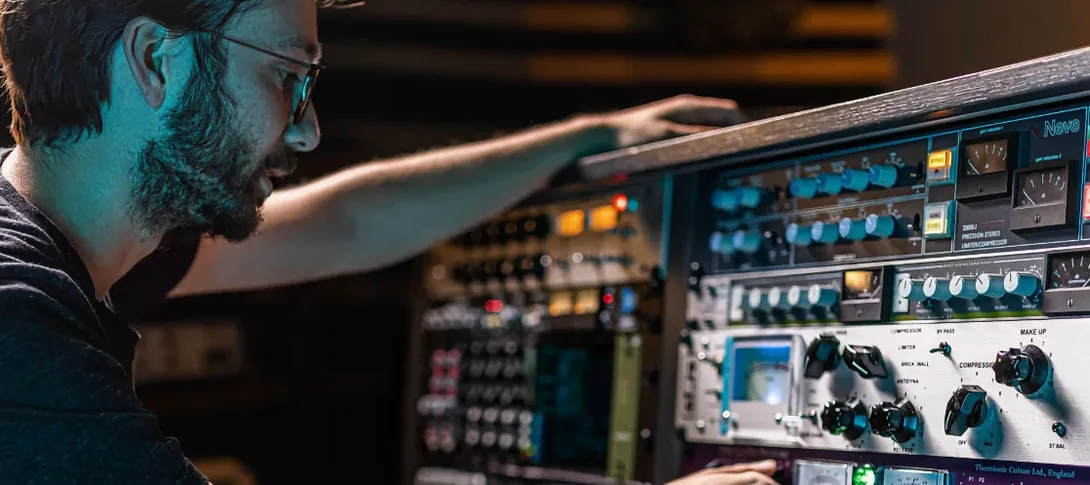 Arturia FX Collection
2026.02 VST Plugins
16.1 GB
Arturia FX Collection
2026.02 VST Plugins
16.1 GB
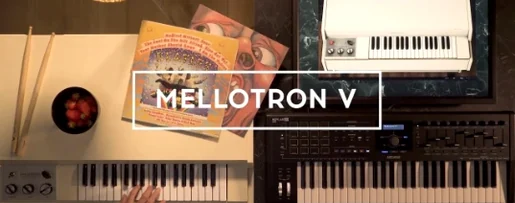 Arturia Mellotron V
1.9.3 VST Plugins
2.1 GB
Arturia Mellotron V
1.9.3 VST Plugins
2.1 GB
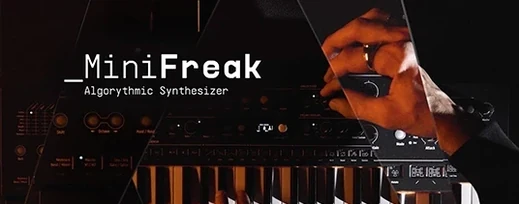 Arturia MiniFreak V
5.0.1-5869 VST Plugins
Updated 477 MB
Arturia MiniFreak V
5.0.1-5869 VST Plugins
Updated 477 MB
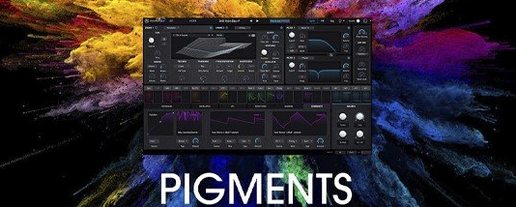 Arturia Pigments
7.0.1-6772 VST Plugins
1.8 GB
Arturia Pigments
7.0.1-6772 VST Plugins
1.8 GB
 Arturia V Collection 11 Pro
2025.20.26 VST Plugins
53.8 GB
Arturia V Collection 11 Pro
2025.20.26 VST Plugins
53.8 GB