

VMware Fusion Pro runs on two very different kinds of Mac hardware. It supports Intel 64-bit machines, and it also runs natively on Apple Silicon. That means whether you're on an older Intel MacBook Pro or a current M-series desktop, you can spin up a second operating system without rebooting.
Where to start once it's installed
After you've got the application running, a few first moves will show you what desktop virtualization actually feels like day to day.
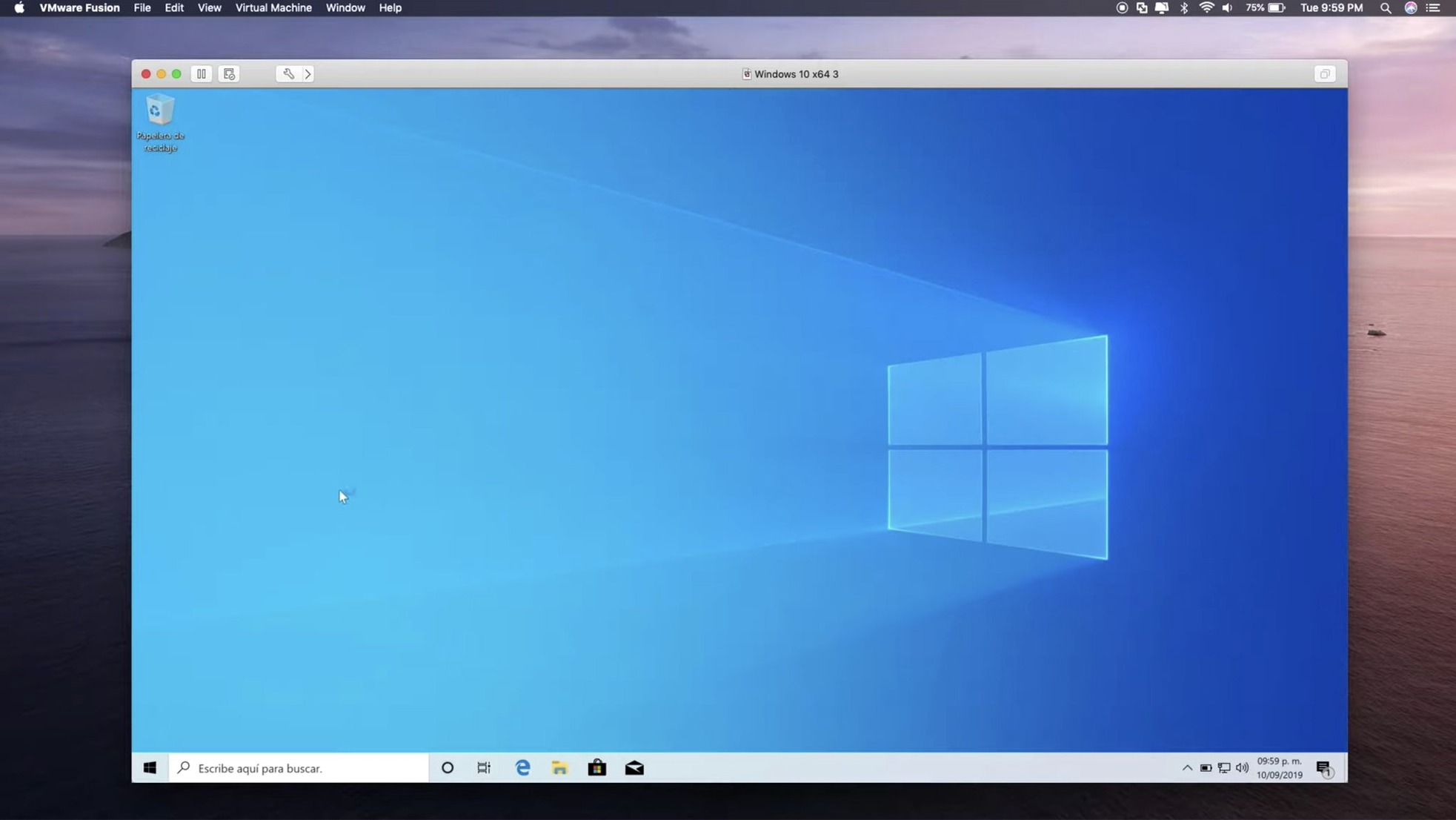
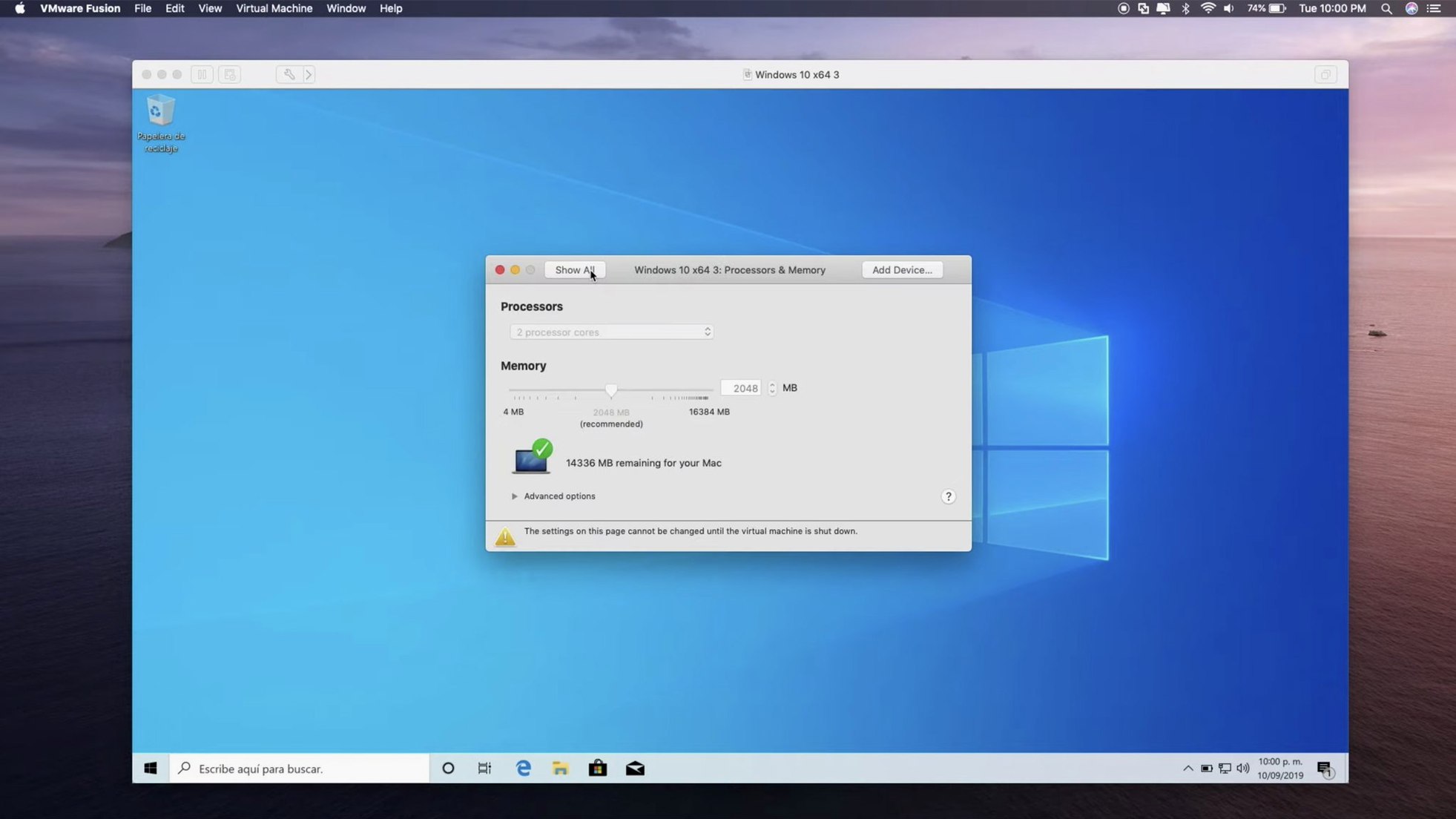
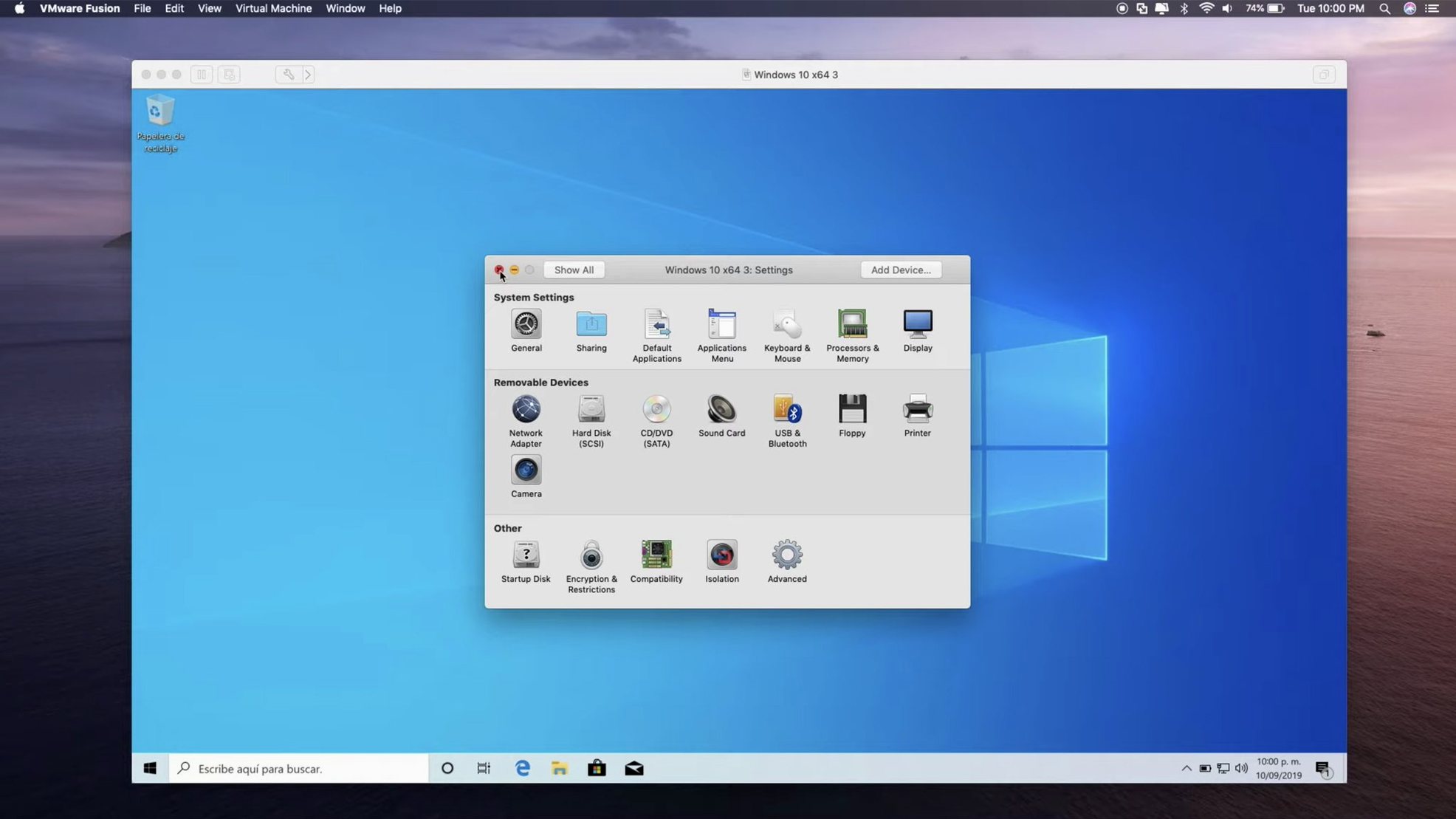
- Create a quick Windows 10 VM. Pick Windows 10 as the guest OS and let the assistant handle the defaults. Once the desktop appears, enable DirectX 11 hardware acceleration from the virtual machine settings — it makes the Windows UI and basic 3D apps feel responsive, not laggy.
- Try a Linux guest. The 26H1 release added explicit support for Ubuntu 26.04 LTS, openSUSE 16.0, and SUSE Linux Enterprise 16. Download an ISO for one of them and create a new custom VM. Watching a full Linux desktop boot inside a window on your Mac is one of those quiet moments that makes the setup feel real.
- Check the timestamps. In the virtual machine library, you'll now see a creation timestamp and a last power-on timestamp for every VM. It's a small addition, but it gives you a quick sense of which machines you've actually been using.
- Explore remote ARM hosts. If you have access to an ARM-based ESX server, the new remote connection support in 26H1 lets you reach it directly from Fusion. It's a pro feature most newcomers won't need on day one, but it's worth knowing it's there when you start managing lab machines.
Fusion Pro also includes a command-line interface for OCI containers, so if you're comfortable in Terminal, you can pull and run container images without leaving the hypervisor. It's a gentle on-ramp for anyone curious about mixing virtual machines and containers on the same Mac.
Waking a Stale VM for a Wednesday Test Run
It's a Wednesday morning, your coffee is still warm, and you need to test an installer in a clean Windows 11 environment. You haven't touched the VM in three weeks, so the first thirty seconds are about orientation.
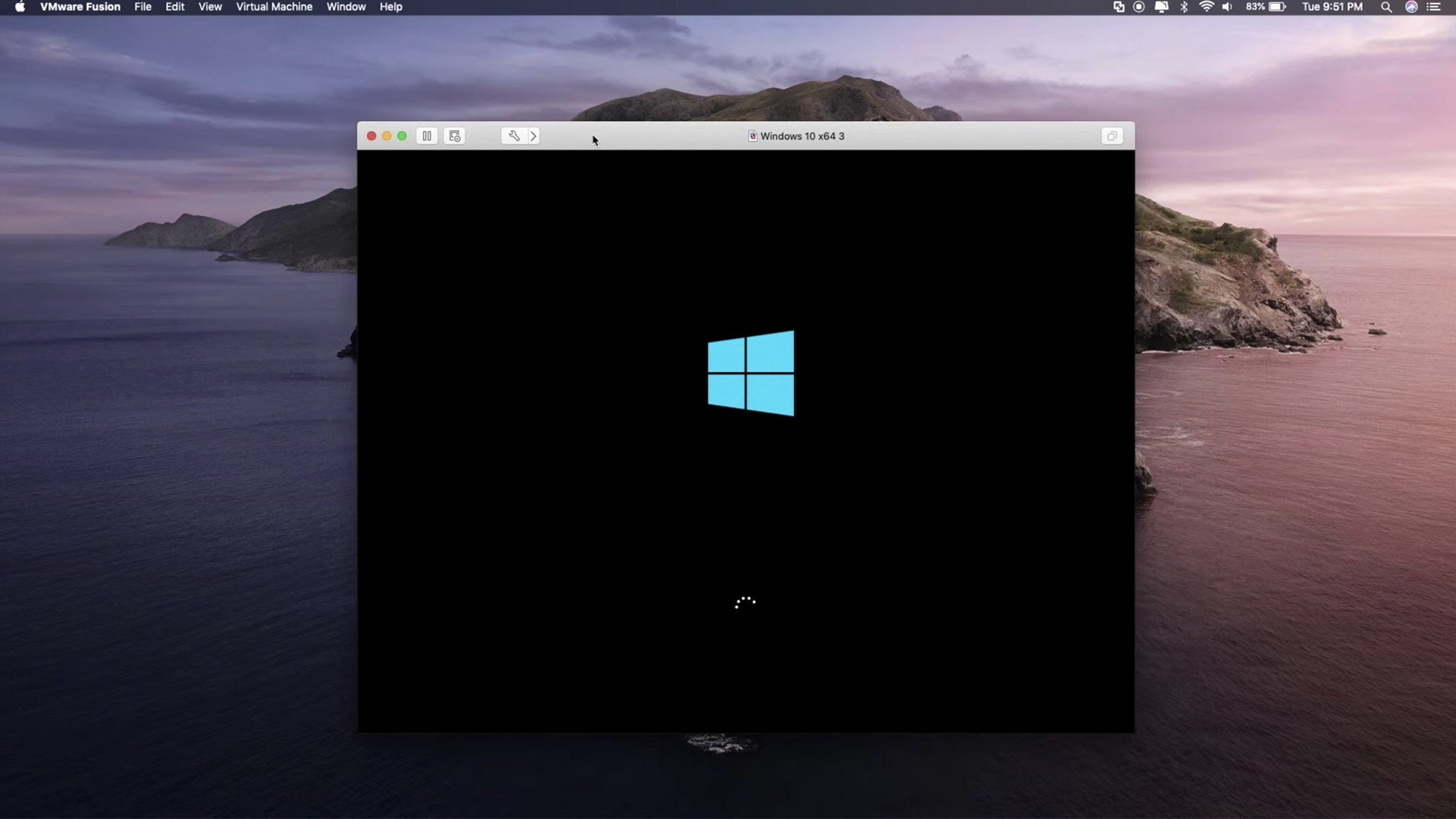
You open VMware Fusion Pro. The virtual machine library lists five machines — three Linux boxes, a Windows 11 sandbox, and a FreeBSD 15.0 VM you built last month just to see if FreeBSD would work as a guest. The new timestamps tell you the Windows sandbox hasn't been powered on since February. Good to know. You click it, hit the start button, and the familiar Windows boot animation fills the window while you take a sip of coffee.
As soon as the desktop settles, you switch the VM to full screen on your second display. From here, Windows feels like it belongs on the Mac — the cursor flows between screens without friction. You drop the installer file onto the VM's desktop using drag and drop, which Fusion handles without a shared folder setup. The installation runs. You capture a few screenshots, shut the VM down, and the library updates the last power-on timestamp automatically. The whole session took less than fifteen minutes, and you never touched a physical Windows machine.
Common questions, answered plainly
ARM Guests Fly, x86 Emulation Crawls
Yes, but the guest needs to be ARM-native. Windows 11 for ARM runs well, and Ubuntu 26.04 LTS feels snappy on an M2 or M3 Mac. Emulating x86 operating systems on Apple Silicon isn't Fusion's strength — if you need an old 32-bit Windows XP box, you'll want an Intel Mac or a different tool. For modern ARM guests, performance is consistently smooth.
Can I run macOS as a guest?
Officially, no. Apple's licensing restricts macOS virtualization to certain hypervisors and frameworks. Fusion Pro doesn't support running macOS inside a VM, and the guest OS list reflects that. You're here for Windows, Linux, and the occasional BSD.
What about USB devices — will my scanner work?
Fusion Pro supports USB 3.1 devices, and in my experience most printers, scanners, and flash drives pass through without drama. Connect the device, Fusion asks which OS should claim it, and you choose the guest. For an eGPU, the story is similar — DirectX 11 acceleration in Windows 10 VMs can use the external GPU if it's configured in the VM settings.
How is this different from the free VMware Fusion Player?
Fusion Pro adds the remote ESX host connections, OCI container CLI, advanced networking controls, and the ability to connect to vSphere environments. If you only run a single Windows VM occasionally, you might not touch those features. If you manage lab servers or build containers alongside VMs, the Pro feature set earns its place on your dock.
A real workflow: building a Linux test environment from scratch
Say you're learning Kubernetes and need three Linux nodes that can talk to each other — one control plane and two workers. You want them isolated on their own virtual network so nothing leaks onto the home Wi-Fi.
Start with the first VM. Choose Fedora 44 as the guest OS, allocate four cores and 4 GB of RAM, and before you finish the assistant, pause on the network setting. Switch from "Share with my Mac" to "Private to my Mac." That creates a host-only network the other VMs will join later. Let the Fedora installer run. When the desktop appears, install the basics: kubeadm, kubelet, and Docker.
Now clone the VM twice. Right-click the fresh Fedora machine in the library, choose "Create Full Clone," and name each clone. Fusion assigns new MAC addresses automatically, so the three machines won't collide on the private network. Boot all three. Assign static IPs from the same subnet, run kubeadm init on the first node, then join the workers. The whole cluster hums inside your Mac, completely walled off from the outside world.
When you're done for the day, suspend the VMs instead of shutting them down. Fusion writes their state to disk, and tomorrow morning they'll wake in seconds. The timestamps in the library will confirm you powered them on at 9:14 AM — a small but useful breadcrumb when you're tracking which machines did what across a long week of testing.
RAM Overcommitment Triggers Host Swapping
The most common stumble is RAM allocation. Fusion Pro won't stop you from giving 12 GB to a Windows VM on an 8 GB Mac, and the host OS will quietly start swapping, dragging everything to a crawl. A good rule: leave at least 4 GB for macOS itself. If your Mac has 16 GB, cap your VMs at 10 or 11 GB total across all running machines.
Another early mistake is ignoring the installation options during guest OS setup. Fusion's Easy Install feature auto-fills Windows product keys and creates a default user account, but it also skips some customization screens. If you need a specific disk layout or want to set up BitLocker later, decline Easy Install and walk through the manual setup. It takes an extra five minutes and saves you from rebuilding the VM.
Beginners also tend to store VMs in the default Documents folder without checking disk space. A single Windows 11 VM with a few snapshots can balloon past 60 GB. Create a dedicated folder on an external SSD from the start, or at least keep an eye on the VM bundle sizes from the library. Lastly, don't sleep on the snapshot manager — take a clean snapshot right after a fresh install, before installing any software. If an update breaks the guest, rolling back takes seconds instead of hours.
Version 26H1 brings guest OS support for several fresh releases and a couple of small quality-of-life additions.
- Guest OS support added for Ubuntu 26.04 LTS, Fedora 43, Fedora 44, SUSE Linux Enterprise 16, openSUSE 16.0, and FreeBSD 15.0.
- Virtual machine library now shows creation and last power-on timestamps.
- Support for remote connections to ARM-based ESX hosts.
- macOS 13 or later
- Apple Silicon or Intel 64-bit Mac
Porch talk 0
Come in or pull up a chair to leave a comment.
Nobody has pulled up a chair yet. If you used it on a real Saturday, say what the hour was.
More for the same hour
Everything in Mac Apps
 ViWizard Spotify Music Converter
2.17.0 Mac Apps
7 MB
ViWizard Spotify Music Converter
2.17.0 Mac Apps
7 MB

 VideoProc Converter
6.6 Mac Apps
86 MB
VideoProc Converter
6.6 Mac Apps
86 MB

 VideoProc Converter AI
8.12 Mac Apps
254 MB
VideoProc Converter AI
8.12 Mac Apps
254 MB

 VideoByte BD-DVD Ripper
2.1.6 Mac Apps
124 MB
VideoByte BD-DVD Ripper
2.1.6 Mac Apps
124 MB

 WALTR PRO
4.0.122 Mac Apps
29 MB
WALTR PRO
4.0.122 Mac Apps
29 MB
 Viaduct
1.3.0 Mac Apps
49 MB
Viaduct
1.3.0 Mac Apps
49 MB

 WebStorm
2026.2.3 Mac Apps
1 GB
WebStorm
2026.2.3 Mac Apps
1 GB

 Vector Magic
1.20 Mac Apps
17 MB
Vector Magic
1.20 Mac Apps
17 MB