You finish recording a software walkthrough. The footage is solid, but small things pile up: a jerky mouse movement distracts from the point, the room tone shifts halfway through, and the intro slide sits in PowerPoint while your timeline lives elsewhere. Most screen recorders leave you to fix these in a second app. Camtasia for macOS folds the fixes into one place, and how it handles the details is what keeps experienced users around.
| Detail | What you get |
|---|---|
| Architecture | Runs natively on Apple Silicon and Intel Macs |
| OS needed | macOS 13 or later |
| Interface languages | English, German, Spanish, Simplified Chinese, Portuguese, French, Japanese |
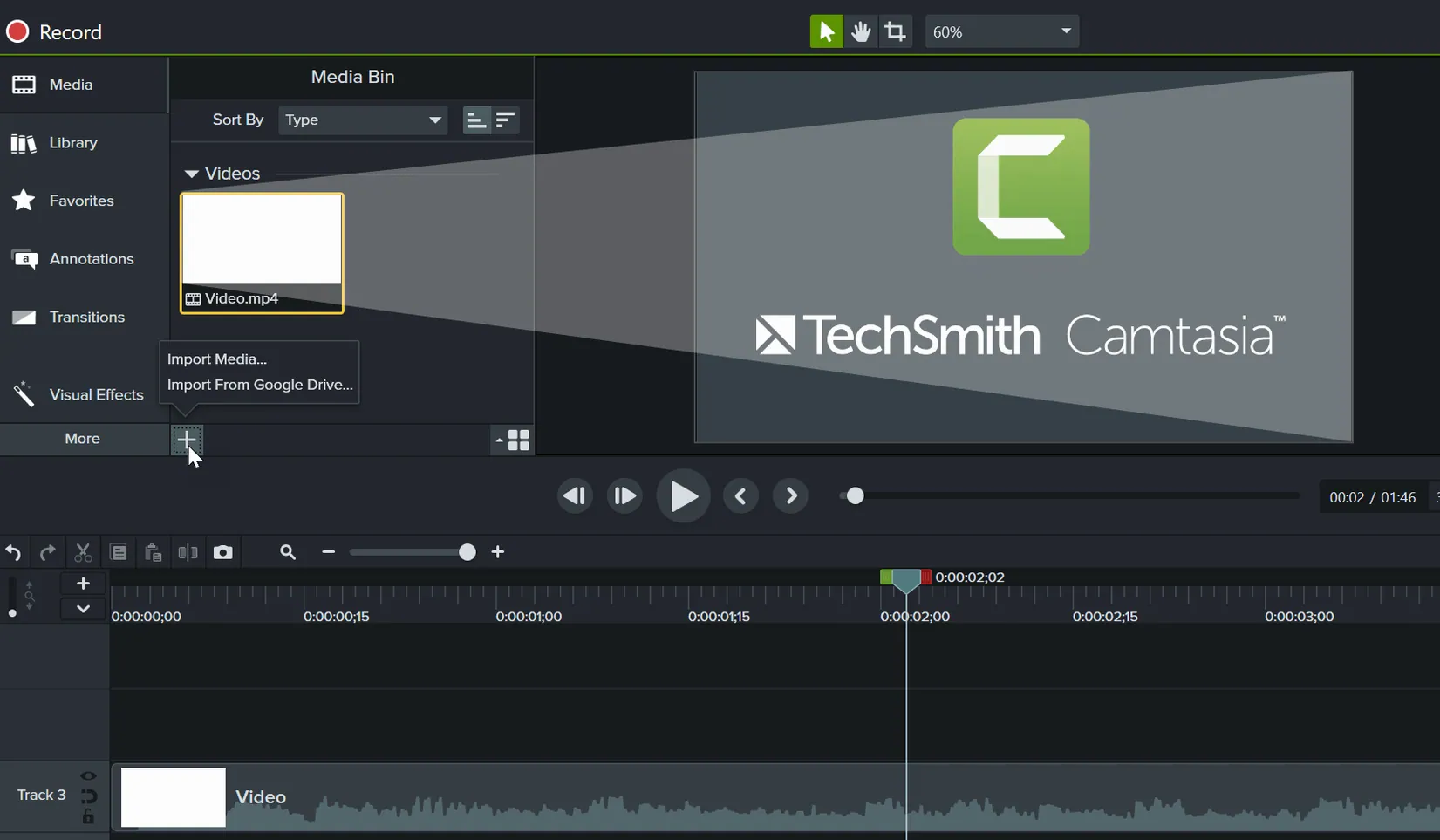
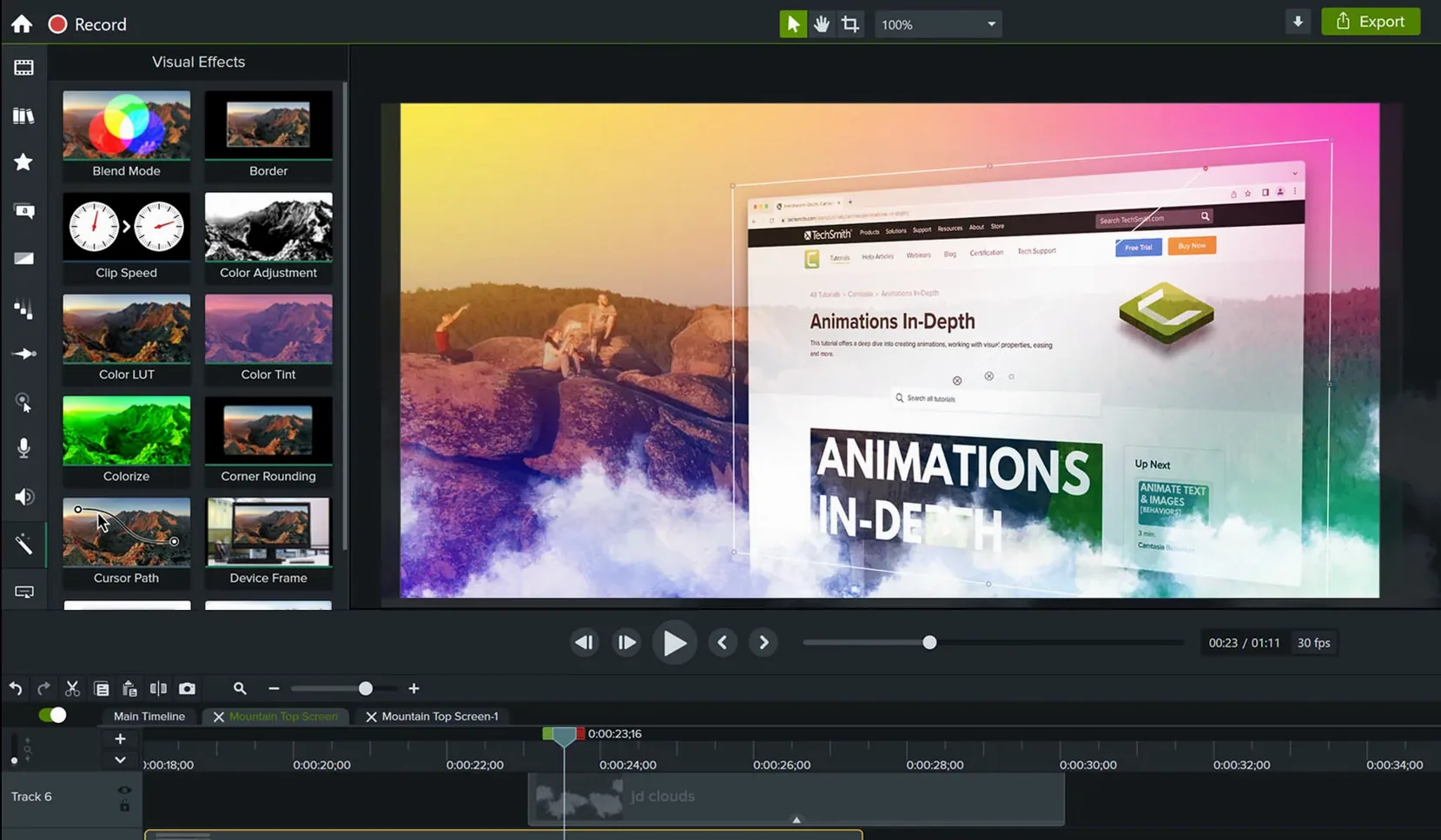
Right-click any recording in the media bin and you can smooth out cursor paths into gentle arcs for a more polished demonstration. Audio effects sit under a cursor-attached mic in the timeline, with noise removal, compression, and de-essing available without leaving the app. You can import a PowerPoint file and the slides drop onto the canvas as individual clips, ready to layer over a talking-head webcam track. The effects library is drag-and-drop simple for standard fade-ins and lower-thirds, but it also lets you stack and tweak behaviors—keyframe clip speed, corner-pin a picture-in-picture frame, or adjust the visual properties of cursor highlights. It is built for people who already know how to teach on video and want the editing horsepower to fix the small things without breaking their flow.
Launching Without a Beachball on Apple Silicon
After a few hours of timeline work, you start to notice which apps stay out of the way and which ones interrupt your thinking with beachballs. Camtasia on Apple Silicon wakes up fast—cold launch to a blank project takes under three seconds on an M1 or M2 Mac, and the media bin handles a folder of 4K clips without the thumbnail lag that plagues lighter editors. Scrubbing the timeline at 2x or 4x speed is smooth, even with three or four tracks stacked. On Intel machines from 2019 onward the experience holds up well, though rendering a ten-minute project with multiple effects will spin the fans and take longer.
The real test is stability during long sessions. Recording a forty-minute software demo while the webcam runs in a corner, then editing immediately after—that workflow can trip up apps that lean too hard on system memory. Camtasia in version 2026.2.3 sits comfortably in the 400–600 MB RAM range during editing, jumping higher only during export. Crashes are rare, and the recent fix for a startup and export crash has cleared up the main complaint from the previous build. If you keep live preview at half resolution while layering effects, you can push through a full morning of edits without a restart.
What Torrent Searches Say About Missing Features
People search for camtasia mac torrent or camtasia mac crack versions because they want to understand what the full feature set feels like before committing. The questions underneath those searches are more practical: does the Mac version lag behind the Windows one, and will it open projects from colleagues on the other platform?
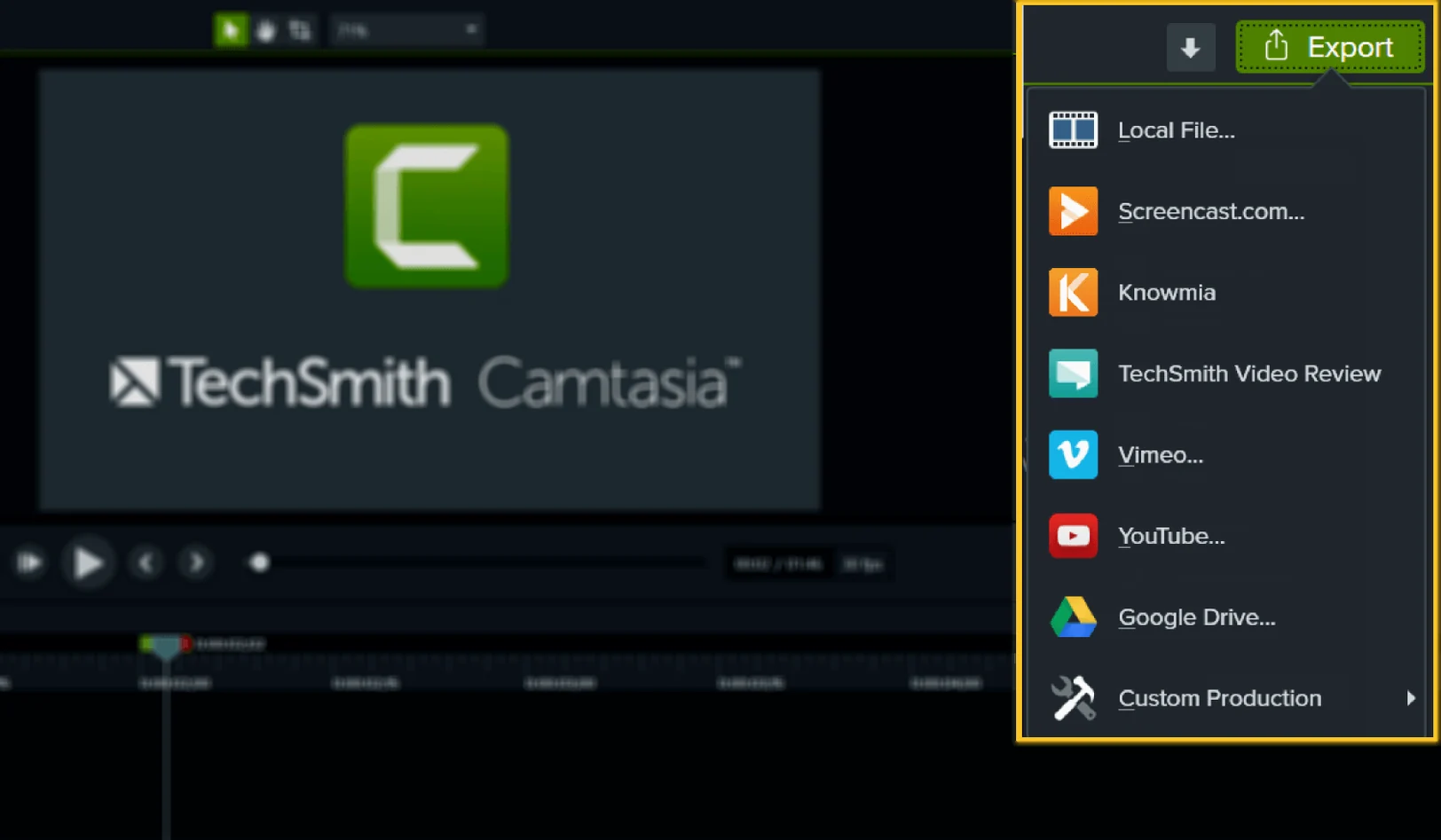
The feature gap between Mac and Windows has narrowed considerably. You get the same recorder engine, the same effects library, and the same PowerPoint import behavior on both sides. The main difference is that the Mac version skips a few Windows-only export presets, but the standard MP4, GIF, and YouTube outputs are all present. Project files move between platforms without conversion, so you can start a tutorial on a Mac laptop and hand it to a Windows desktop for final polish. Another common concern is watermarks—recordings made in the full version carry no branding, and exported videos are clean at any resolution.
Some folks look for camtasia macos or camtasia studio torrent because they remember the old Windows branding and wonder if the Mac app is a stripped-down sibling. It is not. The Mac version shares the same codebase for the editor and recorder, and the interface feels native to macOS rather than ported. The menu bar integration, trackpad gesture support for zooming the canvas, and Quick Look previews in the media bin are all Mac-specific touches that show the development team put real time into this side of the product.
Testing the Water with a Two-Minute Trial
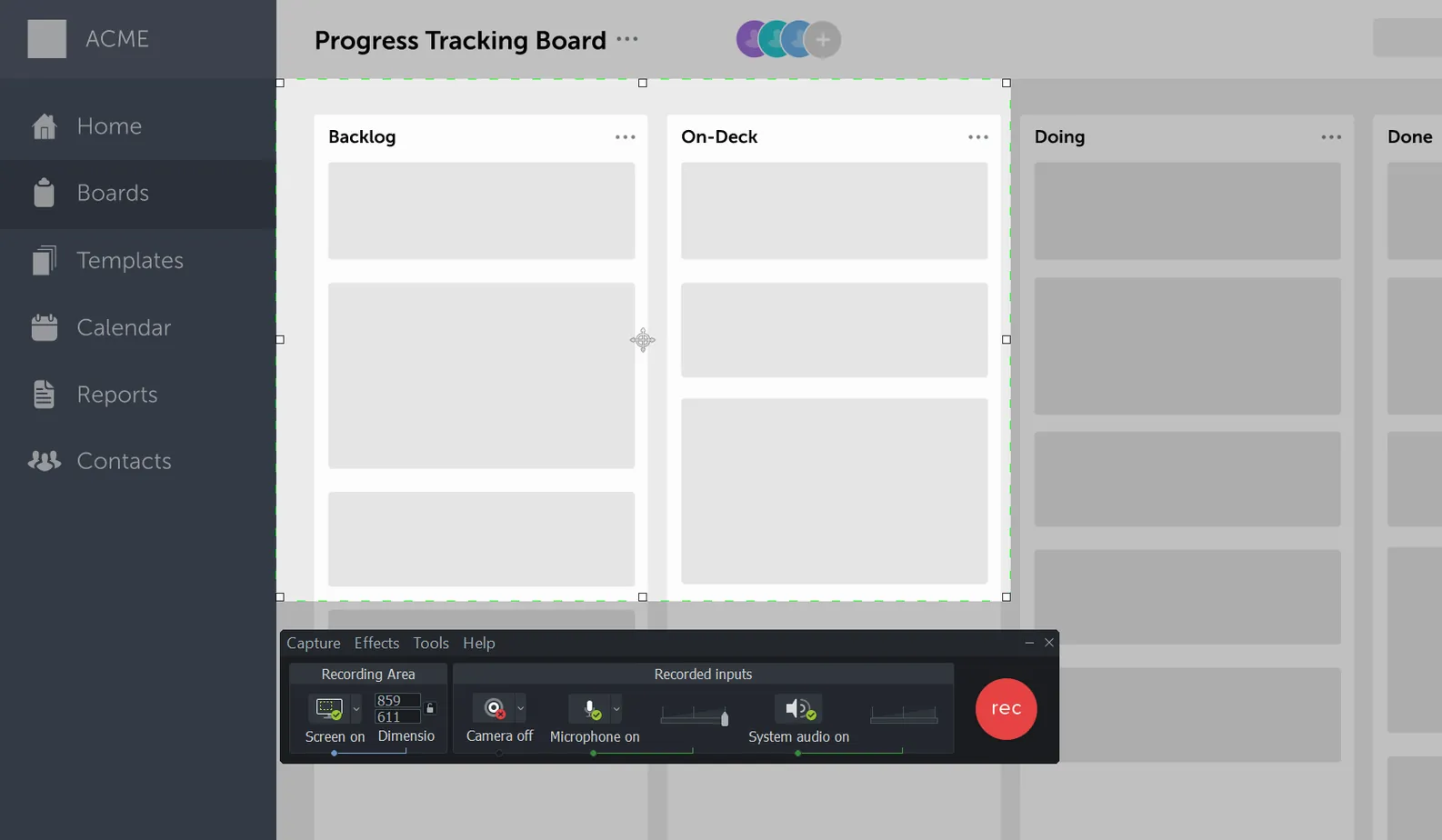
Start with a short test recording before you build anything real. Pick a two-minute task—showing how to crop a photo, say—and record it with the webcam on and system audio captured. This exercise is not about the content; it is about learning where the recorder saves files, how the media bin organizes clips, and what the default canvas size looks like on your display. Once you know the round-trip from record to timeline, you can skip the setup guesswork on your first real project.
Spend ten minutes setting up a template. Open a blank project, place a lower-thirds title on track two, adjust the font and color to match your brand or style, then save the project as a template. From that point on, every new tutorial starts with your graphics already in place. The same goes for cursor effects—dial in a highlight color and click sound that feel right, then save those as defaults so you never think about them again.
Resist the urge to edit while recording. Camtasia captures system audio, microphone, and webcam as separate tracks, so you can trim the "ums" and long pauses after the fact without redoing the screen action. Record in one pass, then do a cleanup pass with ripple delete turned on. You will finish faster than trying to nail everything live.
Pre-Built Training Assets ScreenFlow Lacks
Compared to ScreenFlow, Camtasia gives you more structured help for building training content. ScreenFlow is a strong general-purpose screencast editor with a clean timeline and good animation tools, but it does not include the library of pre-built templates, intros, and music tracks that Camtasia ships with. If your videos follow a repeatable format—lesson intro, screen demo, quiz slide, outro—Camtasia saves you from building those pieces from scratch every time. ScreenFlow is often preferred by people who want fine control over every keyframe; Camtasia is more comfortable for people who want to finish a tutorial this afternoon.
Alongside OBS Studio, the difference is clearer. OBS records for free and does it well, with scene switching and live streaming built in. But OBS has no editor. You record, then you still need something to trim, annotate, and export. Camtasia combines both steps, and the recorder is tuned for post-production—it captures screen, camera, and audio as discrete layers rather than baking them into one flat file. That gives you room to fix audio levels or reframe the webcam after recording, which is a luxury OBS users only get if they plan ahead with separate recording tracks.
Loom and similar quick-share tools live in a different category. They are made for fast internal communication, not polished tutorials. Camtasia competes at the level where you plan a video, edit it across multiple tracks, and export something that holds up on a course platform or YouTube channel. If Loom is a sticky note, Camtasia is a printed workbook.
This update for Camtasia quietly irons out a handful of bugs and applies modest polish to the trimming and export routines.
- macOS 13 (Ventura) or later
- Works on Apple Silicon and Intel 64-bit Macs
Porch talk 0
Come in or pull up a chair to leave a comment.
Nobody has pulled up a chair yet. If you used it on a real Saturday, say what the hour was.