
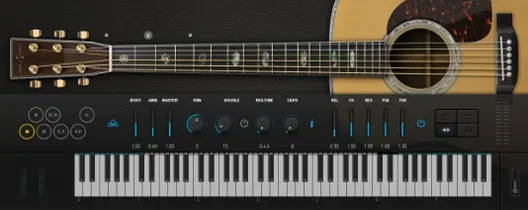
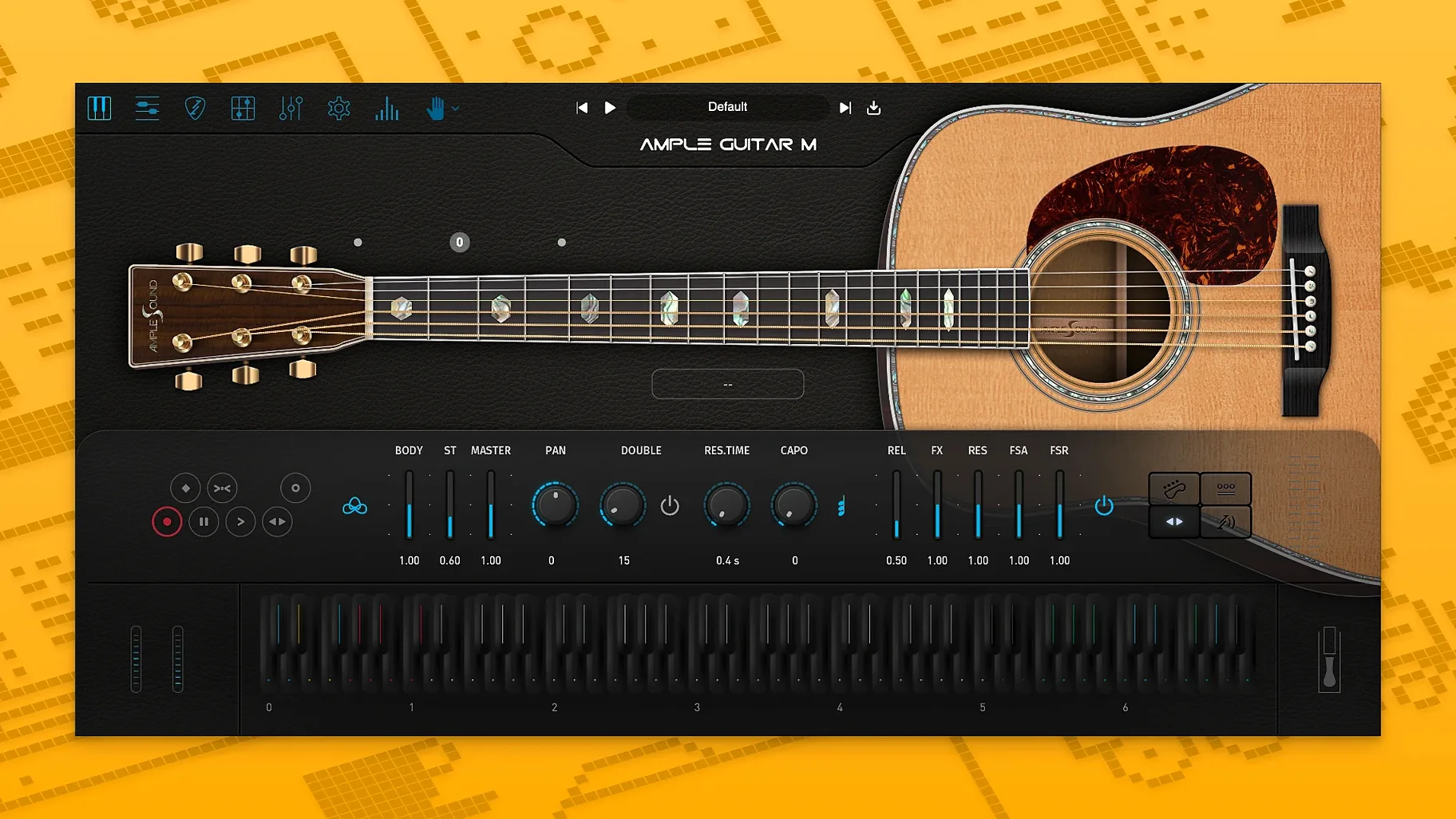
The Tab player is what sold me on opening it again. Ample Guitar M isn't just a set of samples you trigger from a keyboard — it comes with a built-in tablature reader that plays patterns with real left-hand fingering and articulations, so a strummed part lands on the right strings without you programming every nuance.
Open it in your DAW
The plugin runs on macOS 10.13 and later, native on both Intel and Apple Silicon machines. You can load it as a VST or AU instrument in a DAW, or launch it standalone for practice and patch browsing — just remember the sample library has to be installed alongside it.
Shape a strummed part
The strumming system lets you build rhythm patterns that respond to velocity and timing changes. Palm muting, harmonics, slides, hammer-ons and pull-offs all show up as playable articulations, so a chord progression doesn't sound like a piano player guessing at guitar voicings.
Dial in the Martin tone
This instrument models a steel-string Martin D-41 — a deep, balanced dreadnought voice. Fingerpicking feels snappy and present, legato transitions have that slight fretboard squeak, and vibrato can be shaped with the new Auto Vibrato Curve added in the 4.1.0 update, which also brought swing quantization to the Riffer and a reworked sampler engine for snappier playback.
Building a fingerpicked verse from scratch is where I see people’s shoulders finally drop. You open Ample Guitar M in your DAW, set the play mode to Finger, and load a simple chord progression — say, G, D, Em, C — into the Strummer or just play the chords in via MIDI. Switch to the Riffer tab, set the grid to sixteenth notes, and start dropping notes onto the low E and A strings for a root-note pattern. Add the high E and B strings a beat apart, and suddenly you have a Travis-picking figure that follows your chord changes. Tweak the velocity on the top notes so they ring softer than the bass, then nudge a few notes slightly off the grid with the new Swing Quantization — it breathes. Bounce the MIDI to your DAW track and layer a second pass with palm muting on the verses to give the chorus more lift. What started as a grid of blocks turns into something that feels hand-played.
No MIDI guitar required
The most common one is whether you need a MIDI guitar or a special controller. You don’t. Any MIDI keyboard or pad controller works — the engine translates your input to guitar voicings and string choices automatically. The fingering logic picks the closest position on the fretboard, so a C major triad falls on the second and first frets rather than some open-chord guesswork.
Another frequent question is about the sample library size and where it lives. The download includes a separate library package — plan for around five to six gigabytes of disk space once extracted. You can place it on an external drive, but the installer lets you point the plugin to its location, so an SSD over USB‑C handles the streaming without hiccups. The 4.1.0 sampler engine revision made loading noticeably quicker on my older Intel machine, and Apple Silicon users report near-instant patch changes.
People also ask if it handles alternate tunings. Yes — the tablature view lets you drop individual strings up or down, and the engine recalculates fingering to match. Drop D, open G, DADGAD — it adjusts without retuning samples, so the Martin tone stays intact.
Block chords turn to mud
The biggest one is treating it like a piano plugin. A guitar has six strings with overlapping pitch ranges, and hammering out block chords on a keyboard triggers every note on separate strings without voicing logic — it sounds muddy and unnatural. Let the Strummer or Riffer handle the string assignments, or use the Keyswitch system to force specific articulations on certain beats.
Another early stumble is skipping the sample library installation. The plugin installer finishes, the DAW scans it, but opening the instrument shows a blank interface or silent output. The library is a separate download — extract it, open the plugin’s settings panel, and point it to the folder. After that, it boots fine.
A subtler mistake is ignoring the velocity layers. Ample Guitar M responds to a wide dynamic range — light taps trigger soft fingerpicking samples, harder hits bring in the brighter attack of a picked string. Beginners often set all MIDI velocities to 100 and wonder why the part sounds flat. Spend ten minutes riding the velocity lane in your DAW and the difference is immediate.
- macOS 10.13 or later
- Intel or Apple Silicon Mac
- Sample library (required)
Questions I actually get
Does Ample Guitar M work on an M1 or M2 Mac?
Yes, it runs natively on both Intel and Apple Silicon Macs with macOS 10.13 or later.
Do I need the sample library to use Ample Guitar M?
Yes, the sample library is required — the plugin won't produce sound without it installed.
What guitar is Ample Guitar M based on?
It models a Martin D-41 acoustic guitar with steel strings, capturing its dreadnought body and balanced tone.
Porch talk 0
Come in or pull up a chair to leave a comment.
Nobody has pulled up a chair yet. If you used it on a real Saturday, say what the hour was.
More for the same hour
Everything in VST Plugins Ample Sound Ample Guitar LP III
4.0.1 VST Plugins
9.2 GB
Ample Sound Ample Guitar LP III
4.0.1 VST Plugins
9.2 GB
 Arturia Analog Lab V
5.12.0 VST Plugins
4.4 GB
Arturia Analog Lab V
5.12.0 VST Plugins
4.4 GB
 Arturia Augmented STRINGS
2.0.0 VST Plugins
4.9 GB
Arturia Augmented STRINGS
2.0.0 VST Plugins
4.9 GB
 Arturia Efx AMBIENT
1.0.0 VST Plugins
285 MB
Arturia Efx AMBIENT
1.0.0 VST Plugins
285 MB
 Arturia Emulator II V
1.6.2 VST Plugins
700 MB
Arturia Emulator II V
1.6.2 VST Plugins
700 MB
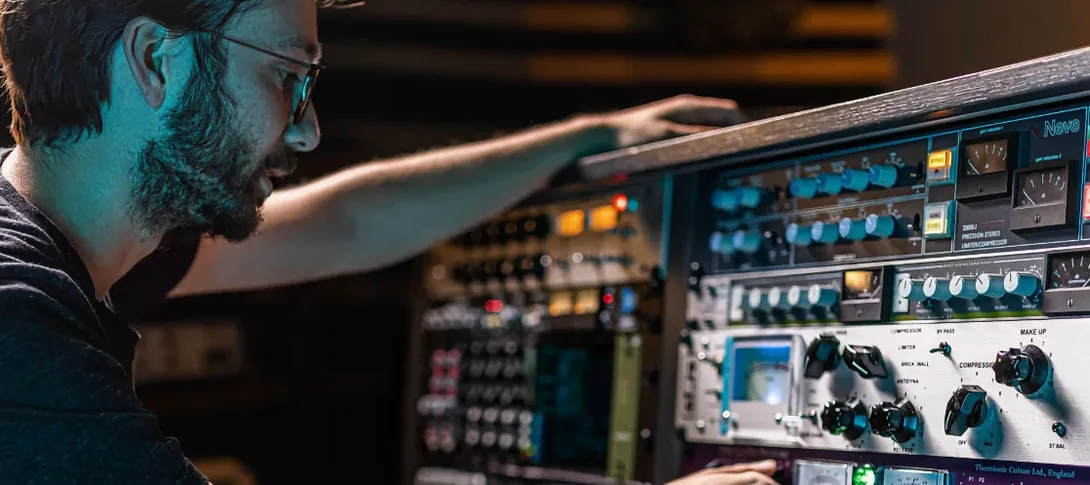 Arturia FX Collection
2026.02 VST Plugins
16.1 GB
Arturia FX Collection
2026.02 VST Plugins
16.1 GB
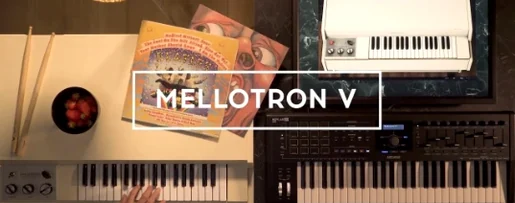 Arturia Mellotron V
1.9.3 VST Plugins
2.1 GB
Arturia Mellotron V
1.9.3 VST Plugins
2.1 GB
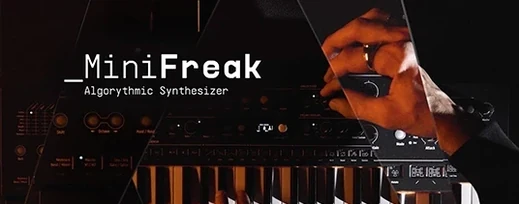 Arturia MiniFreak V
5.0.1-5869 VST Plugins
Updated 477 MB
Arturia MiniFreak V
5.0.1-5869 VST Plugins
Updated 477 MB