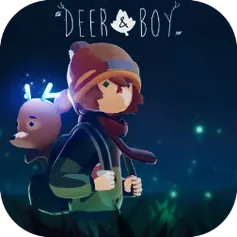
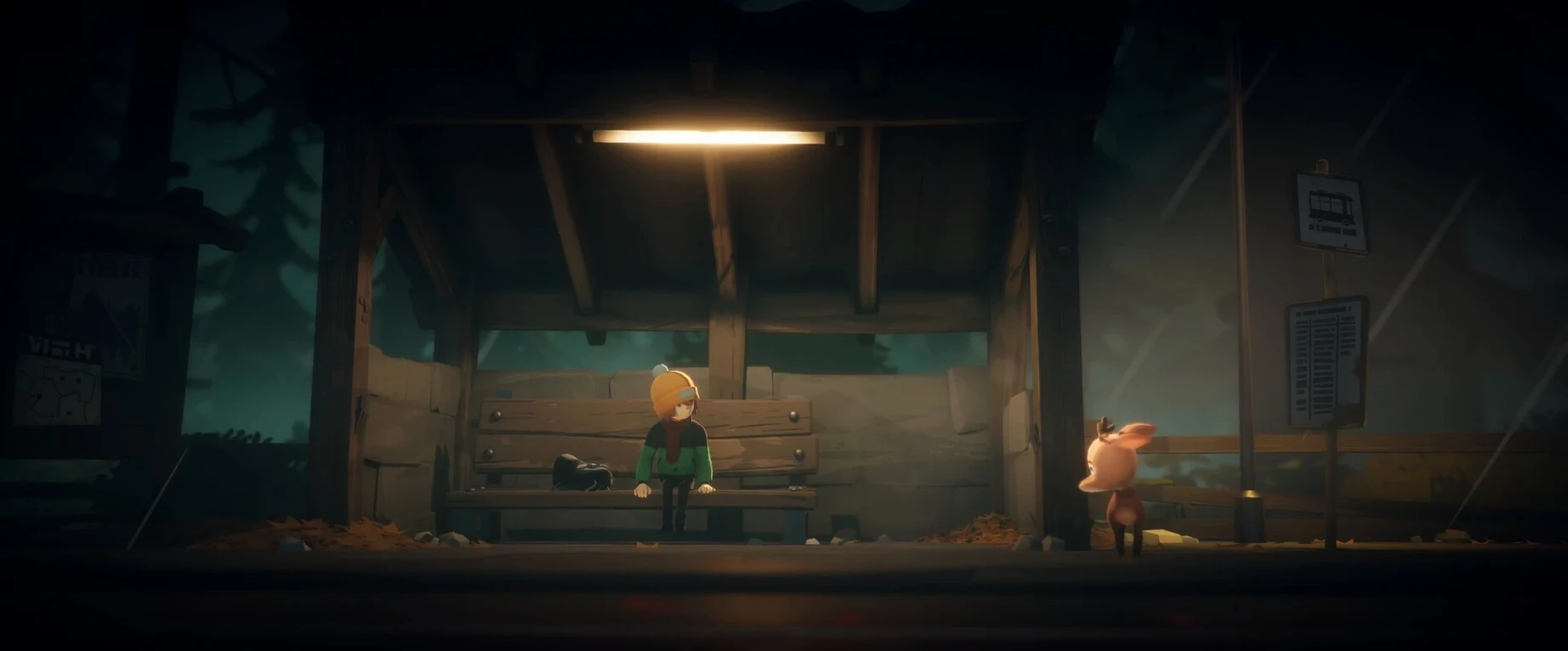
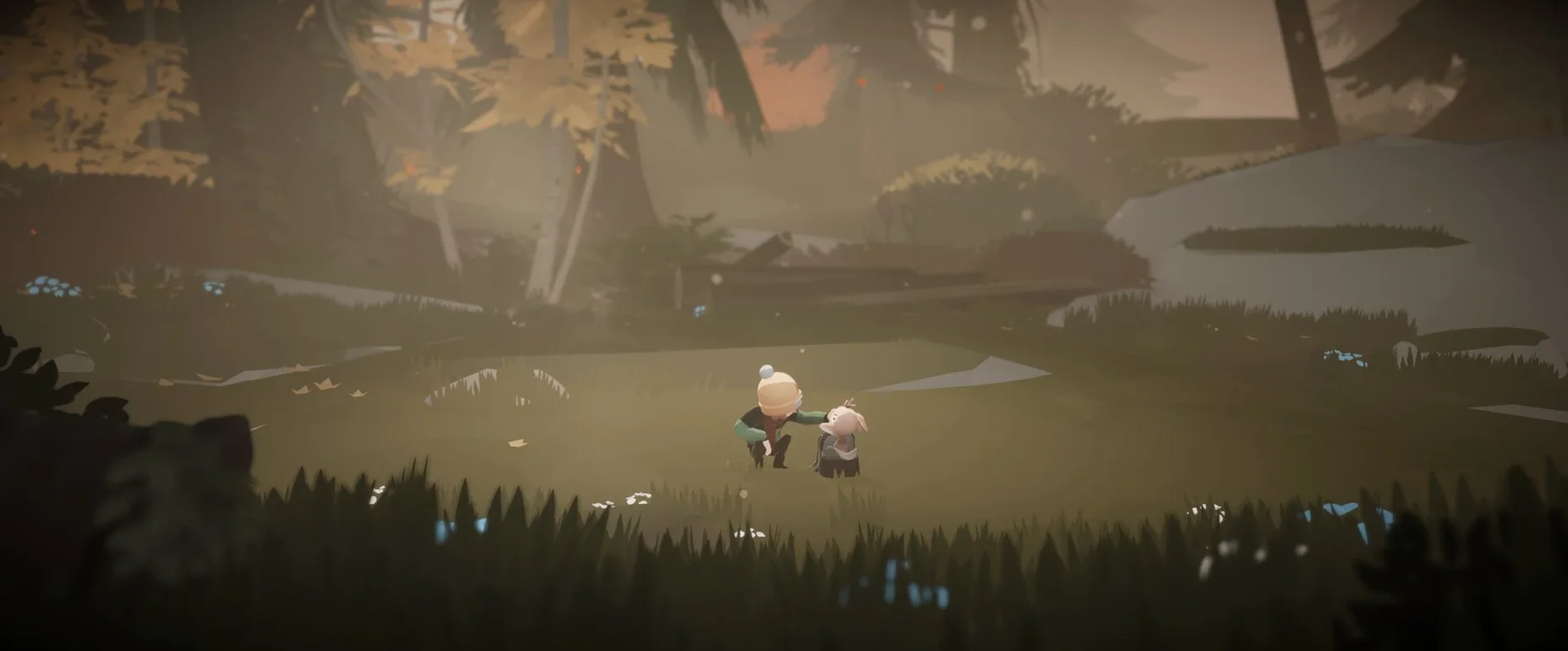
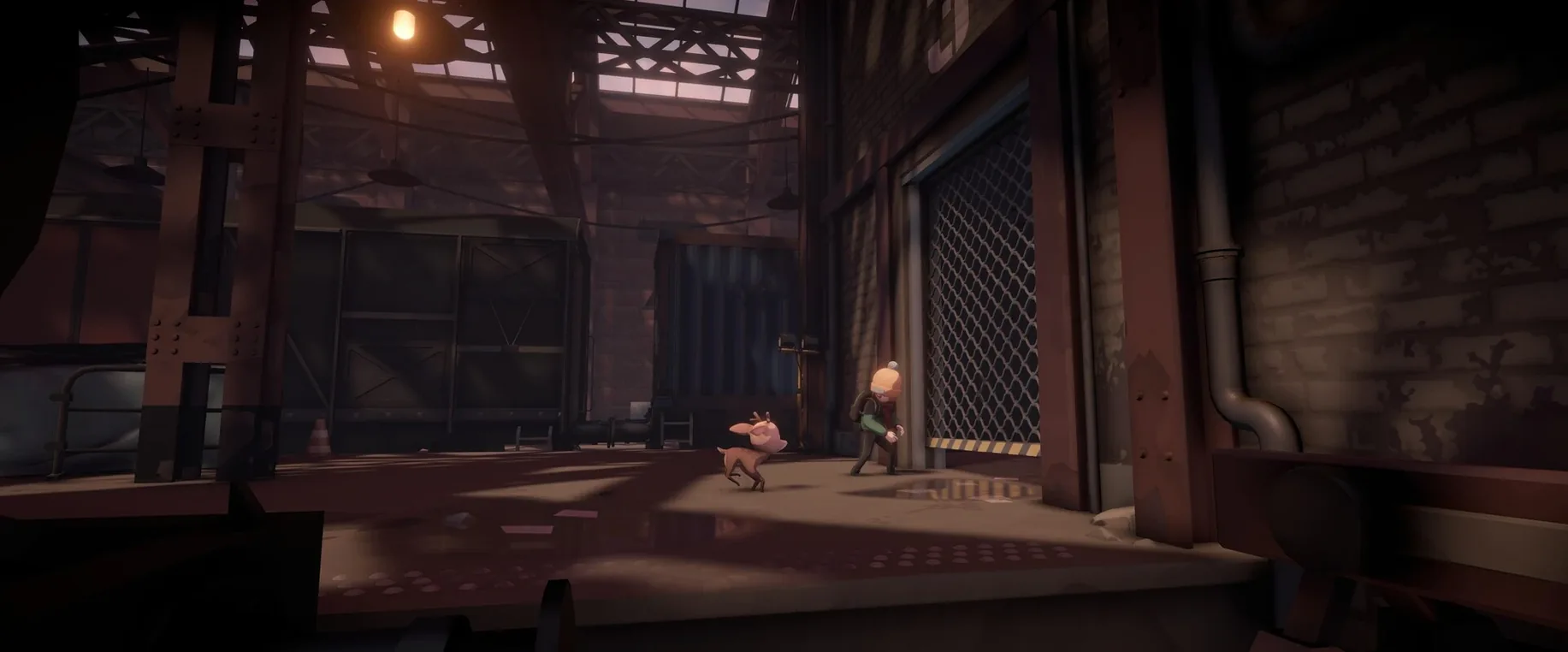
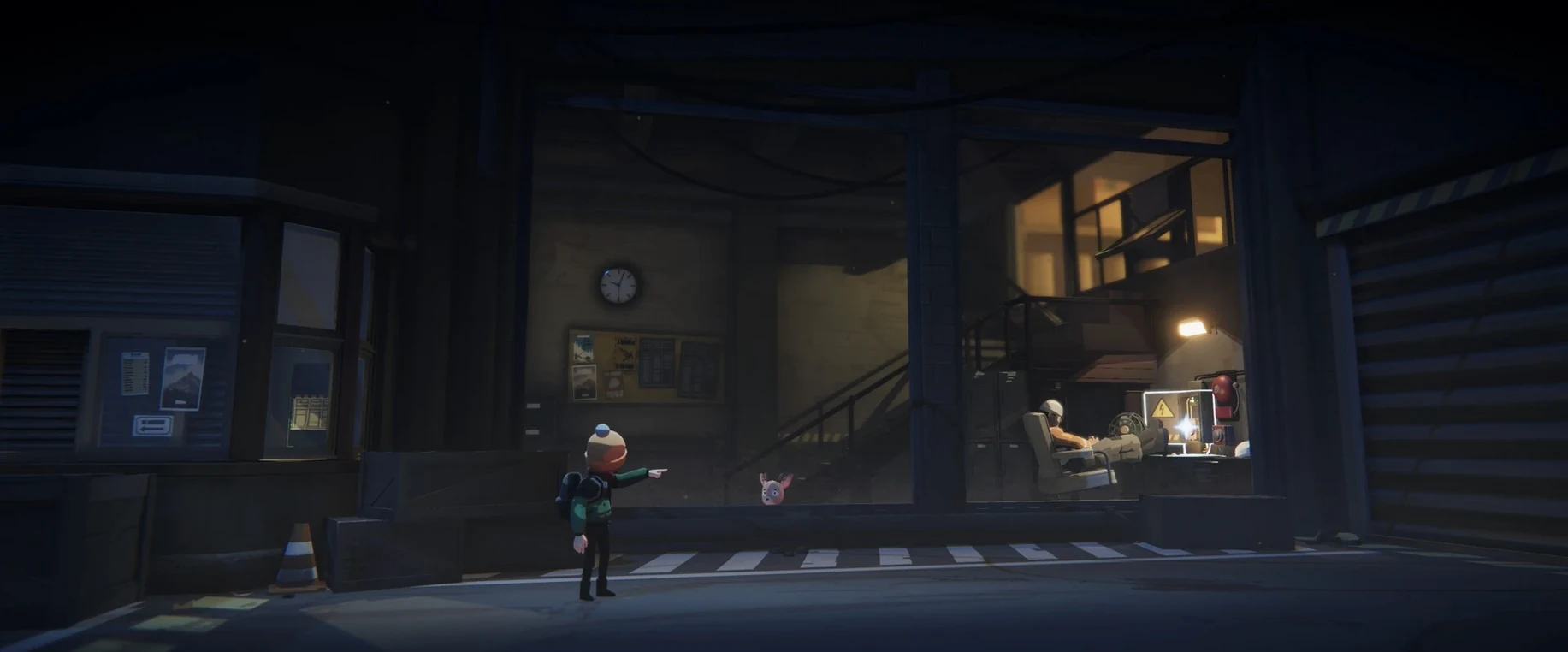
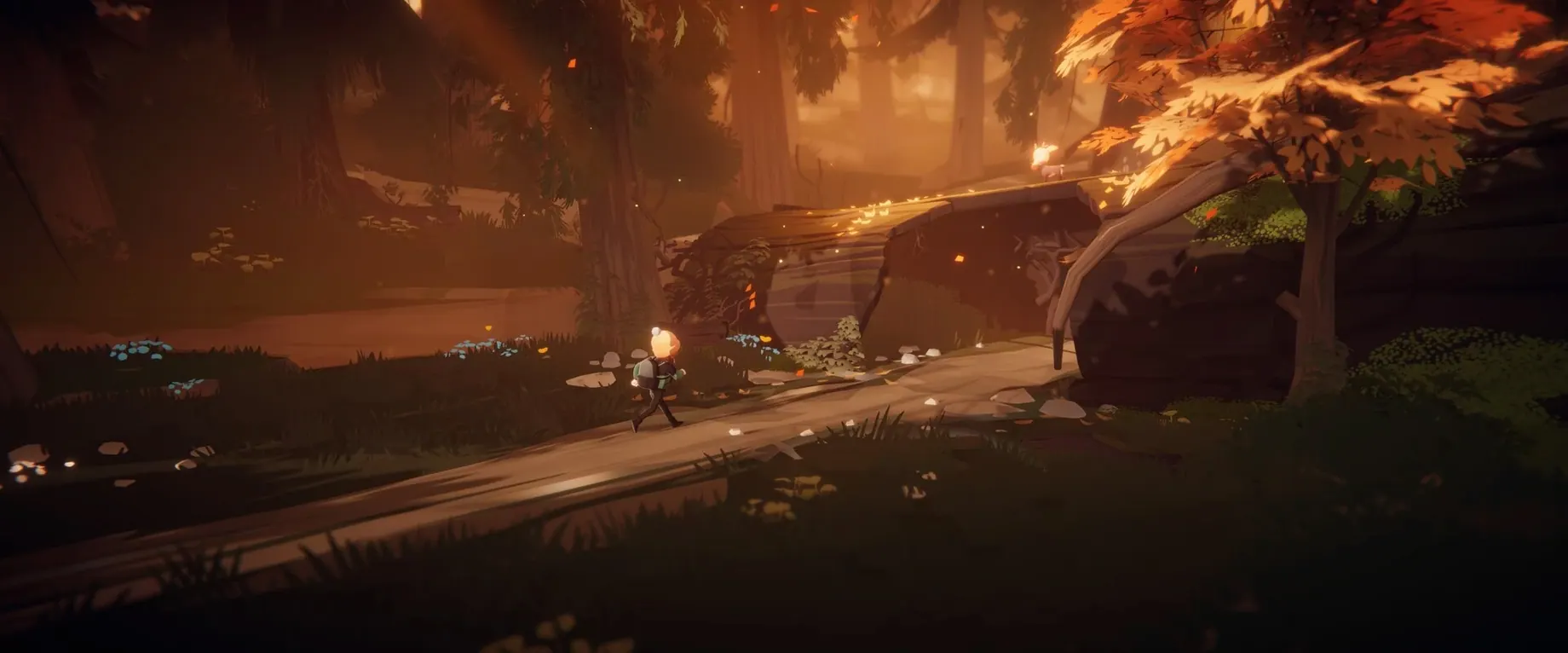


You settle into your chair on a quiet evening, launch the game, and a boy steps out into a hand-drawn world with a young deer at his side. Deer & Boy is a narrative cinematic adventure from Lifeline Games that tells its story entirely through visuals and music. There is no spoken dialogue and no complex text to parse — just a growing bond between the two characters as you guide them through puzzles and changing landscapes. The deer grows alongside the boy, and the journey unfolds with a gentle, family-friendly tone that avoids graphic violence.
- macOS requirements. The game runs on Apple Silicon Macs and was tested on a Mac mini 2024 M4 with macOS Tahoe. It uses ARM architecture natively.
- Controls and feel. Expect a point-and-click or simple directional flow — it is built for contemplation, not reflexes. The focus stays on mood and discovery.
- Visual storytelling. Cutscenes and environmental cues carry the narrative. You read the world through color, movement, and character animation rather than subtitles.
- Music as voice. The soundtrack is the only voice language. Each scene is shaped by its score, which shifts with the emotional arc of the boy and his companion.
- Puzzle design. Puzzles are woven into the scenery and feel like natural extensions of the world, not abstract brain-teasers.
- Performance expectations. On modern Apple Silicon, the game runs smoothly at full resolution with no noticeable frame drops during scene transitions.
No Screen Recording, No Menu Bar Agent
Deer & Boy does not ask for screen recording permissions, does not install a menubar agent, and will not pop up a notification while you work. That makes it a good neighbor on a Mac you also use for serious tasks. It plays nicely with macOS Focus modes — if you have a Gaming focus set up, the system silences interruptions the moment the app goes full screen. I keep it in a folder alongside a few other contemplative adventures, and leaving the sound on is half the experience. The music bleeds into the room without overpowering conversation, so someone sitting nearby can glance over and follow the story without headphones.
Because the game is distributed as a self-contained bundle, it does not scatter support files across your Library folders. Dragging it to the Trash removes everything. Spotlight indexes the app name, but the saved-game data lives inside the bundle, tucked away from daily backups. If you use Time Machine, a single snapshot captures your progress without bloating the backup size.
Silent Graphics Fixes in the Late June Update
Version 1.0.19.24 arrived in late June 2026 and brought a handful of quiet but meaningful changes for Mac players. The Wineskin wrapper was updated to improve compatibility with macOS Tahoe’s graphics stack, so the occasional screen-tearing some users saw during rainy scenes is now gone. Lifeline Games also smoothed out a long-standing quirk where the deer’s growth transition stuttered briefly in the marsh chapter — that moment now flows as intended, which matters when the bond between the two characters is the whole point.
- ARM-native tuning. The build is compiled for Apple Silicon, and the latest wrapper revision reduced idle CPU usage during static scenes, keeping thermals low on fanless Macs.
- Input latency. A small adjustment to the input pipeline made on-screen cursor response feel more direct, especially during puzzles that require dragging objects across the screen.
- Language pack completeness. All twelve interface languages now display consistently in menus and chapter titles — earlier builds had a few untranslated strings in Korean and Polish, which this version resolves.
Flip Two Options Before the Opening Field
Before you guide the boy through the opening field, hop into the options screen and flip two or three things. The defaults are sensible, but a quick pass makes the game feel more at home on your particular setup.
- Camera sensitivity. The default is tuned for a controller stick. If you are using a trackpad or mouse, drop it by about twenty percent. Panning becomes smoother and the deer stays easier to follow in wide shots.
- Music volume relative to ambience. The score is the emotional engine here. Bump music to one hundred and set ambience around seventy — this lifts the strings and piano just enough without burying the rustle of grass and distant water that give each scene texture.
- Motion blur toggle. Cinematic camera sweeps look lovely with it on, but if you are sensitive to blur during long play sessions, turning it off keeps the world sharp without hurting the painterly look. The art style does not lean on it the way a photorealism title would.
If you enjoy short, atmospheric adventures where music and imagery do the heavy lifting, this one fits a calm weekend afternoon perfectly.
- macOS Tahoe
- Apple Silicon (ARM) Mac
- Tested on Mac mini 2024 M4
Porch talk 0
Come in or pull up a chair to leave a comment.
Nobody has pulled up a chair yet. If you used it on a real Saturday, say what the hour was.