
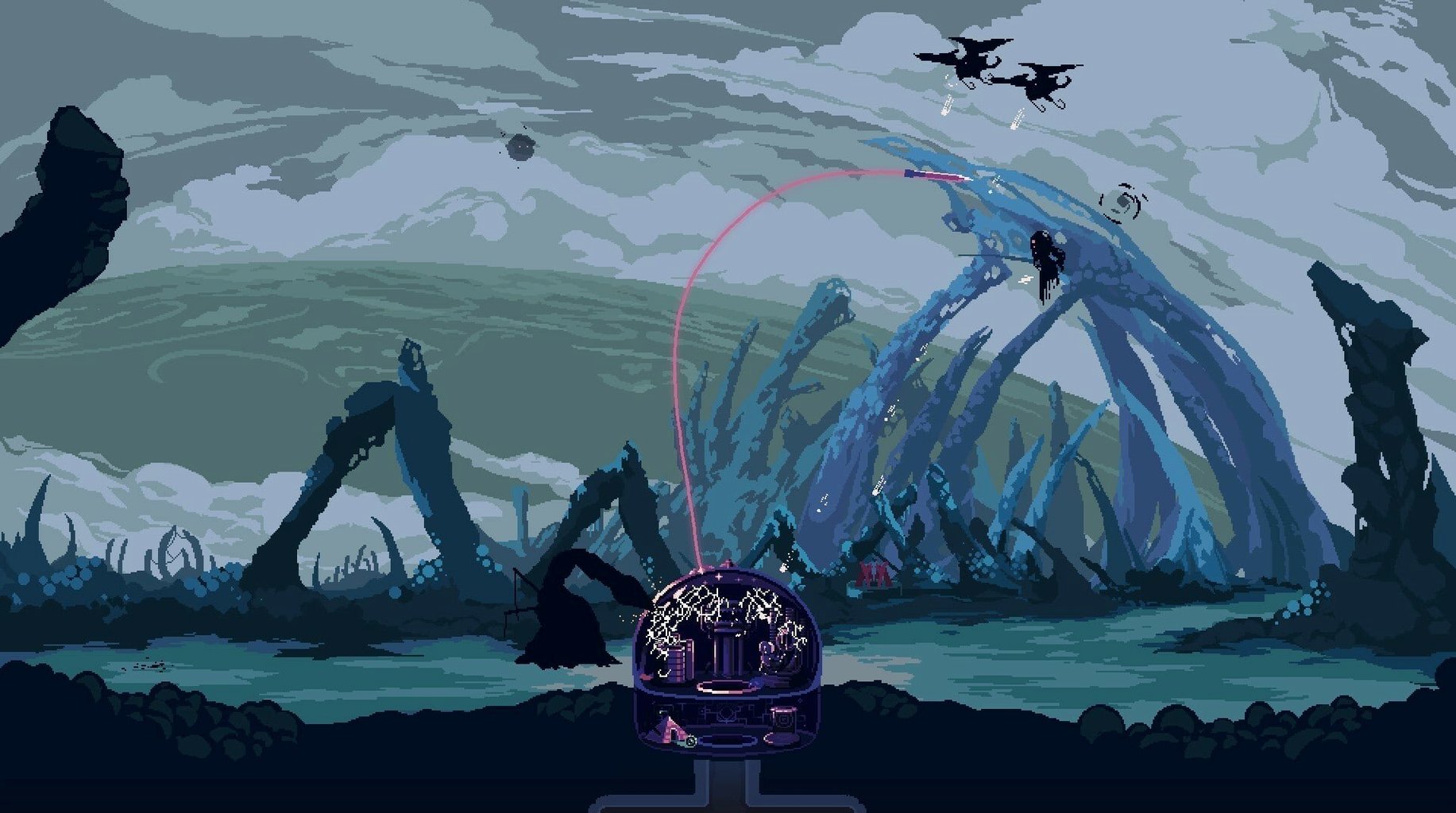
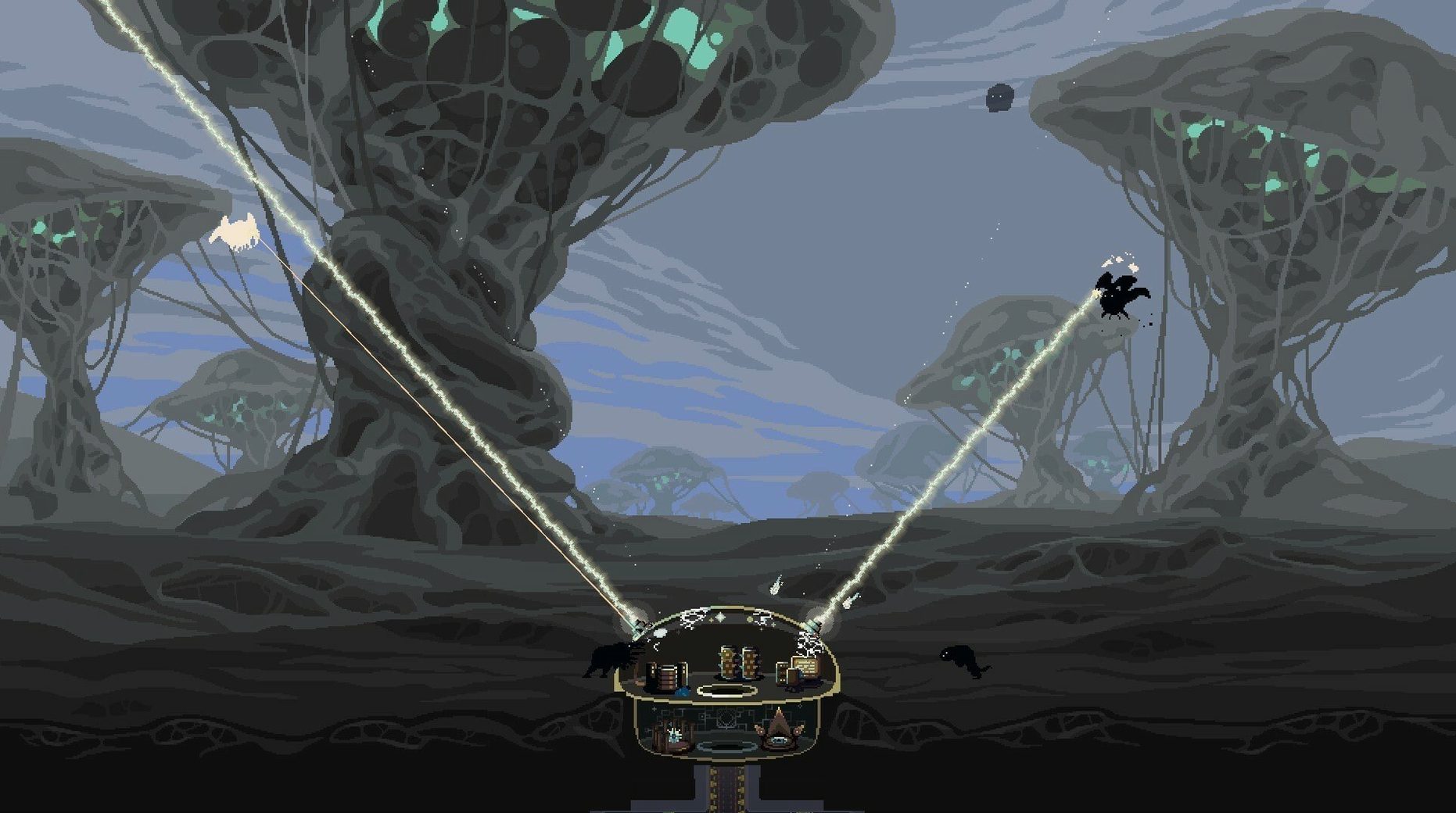

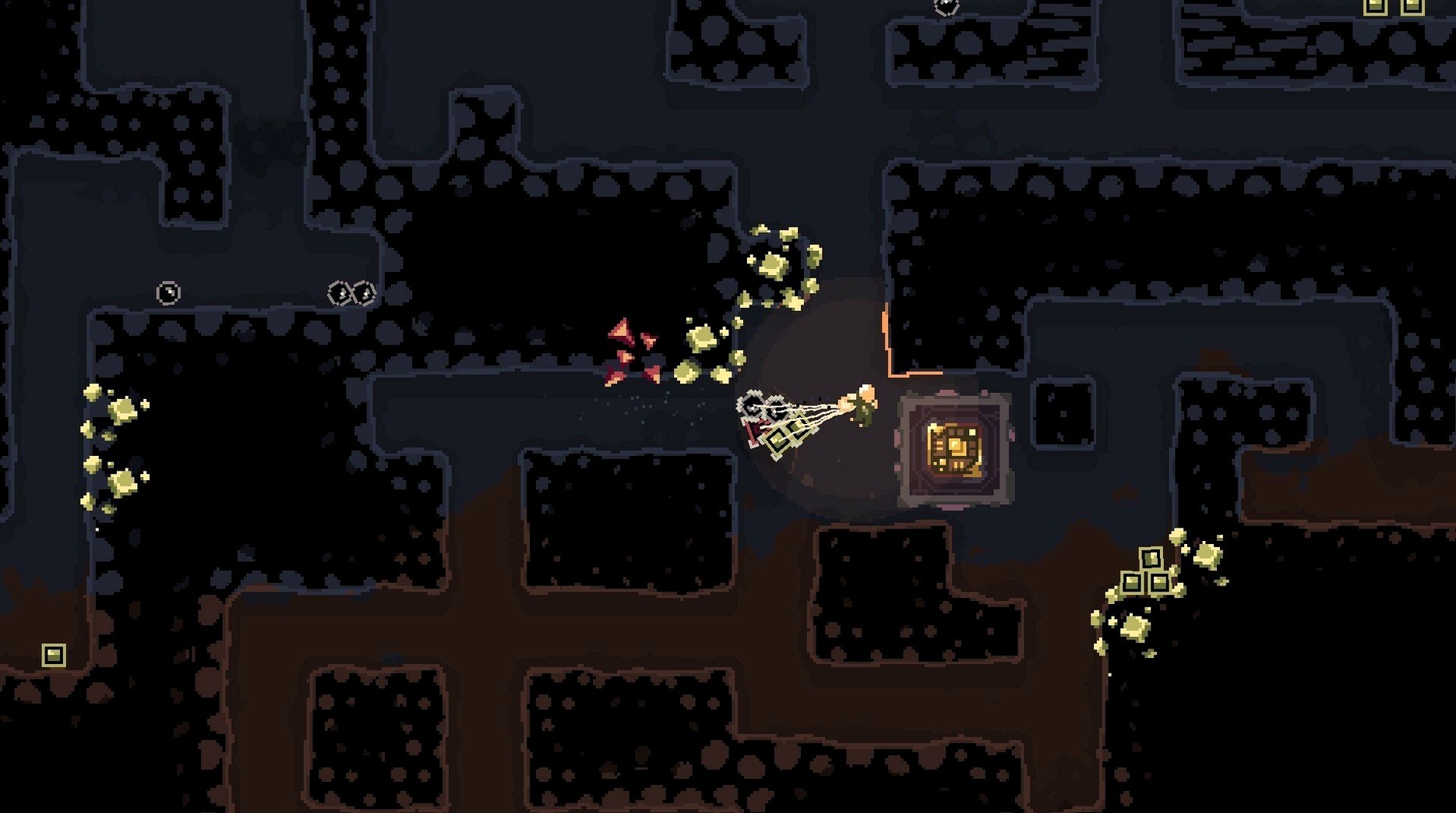
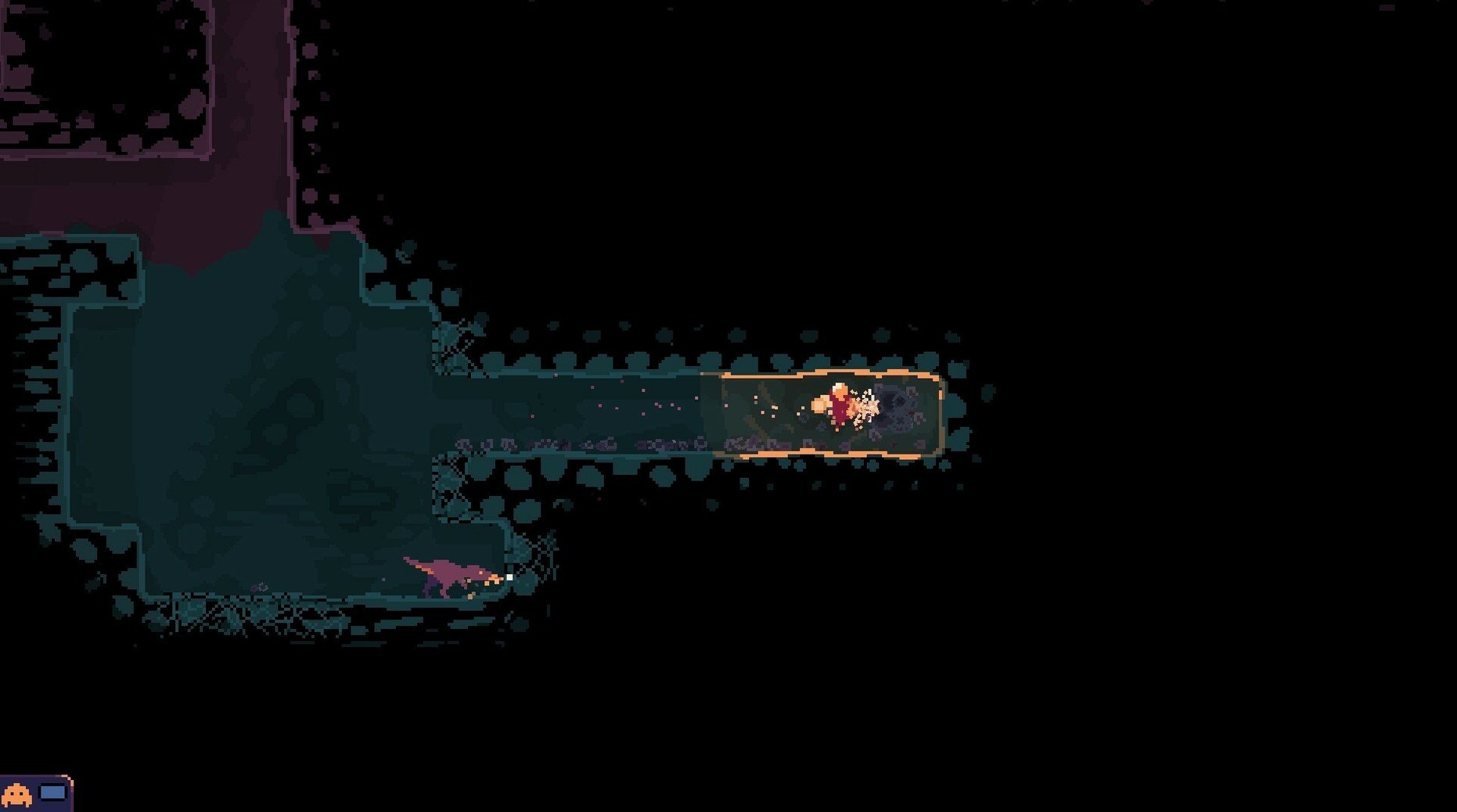
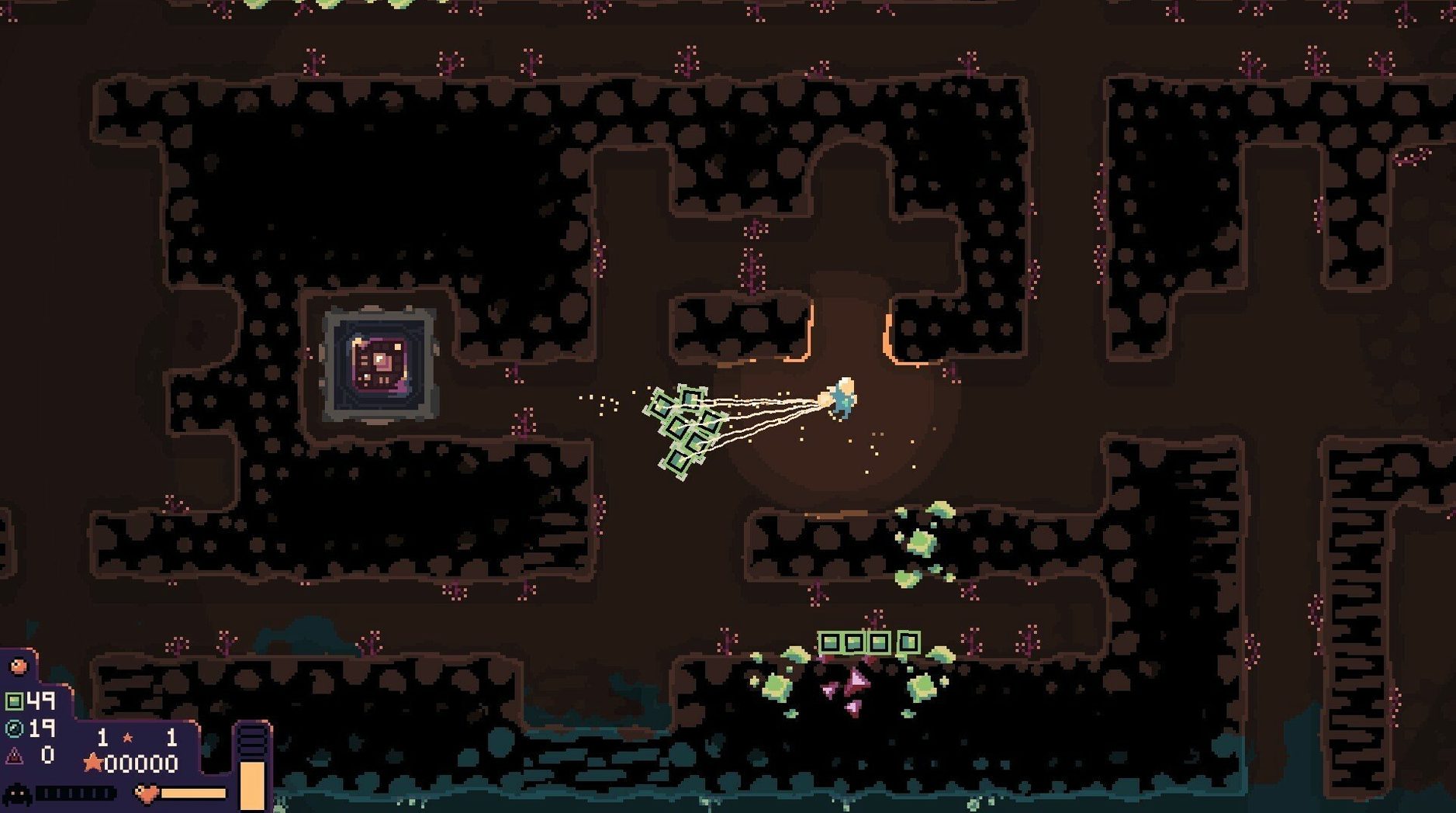
If you've ever played a tower defense game and wished you could play as the little worker units scrambling between the turrets, Dome Keeper is built around that exact tension. You aren't commanding from above—you're the one doing the digging and the repairs.
Dig into the underground
Each run drops you onto an alien planet with nothing but a basic drill. The ground beneath you is procedurally generated rock, and you carve a path downward looking for iron, water, and cobalt. As you go deeper, the rock gets tougher, your inventory fills up, and the timer for the next attack wave keeps ticking.
Race back to the dome
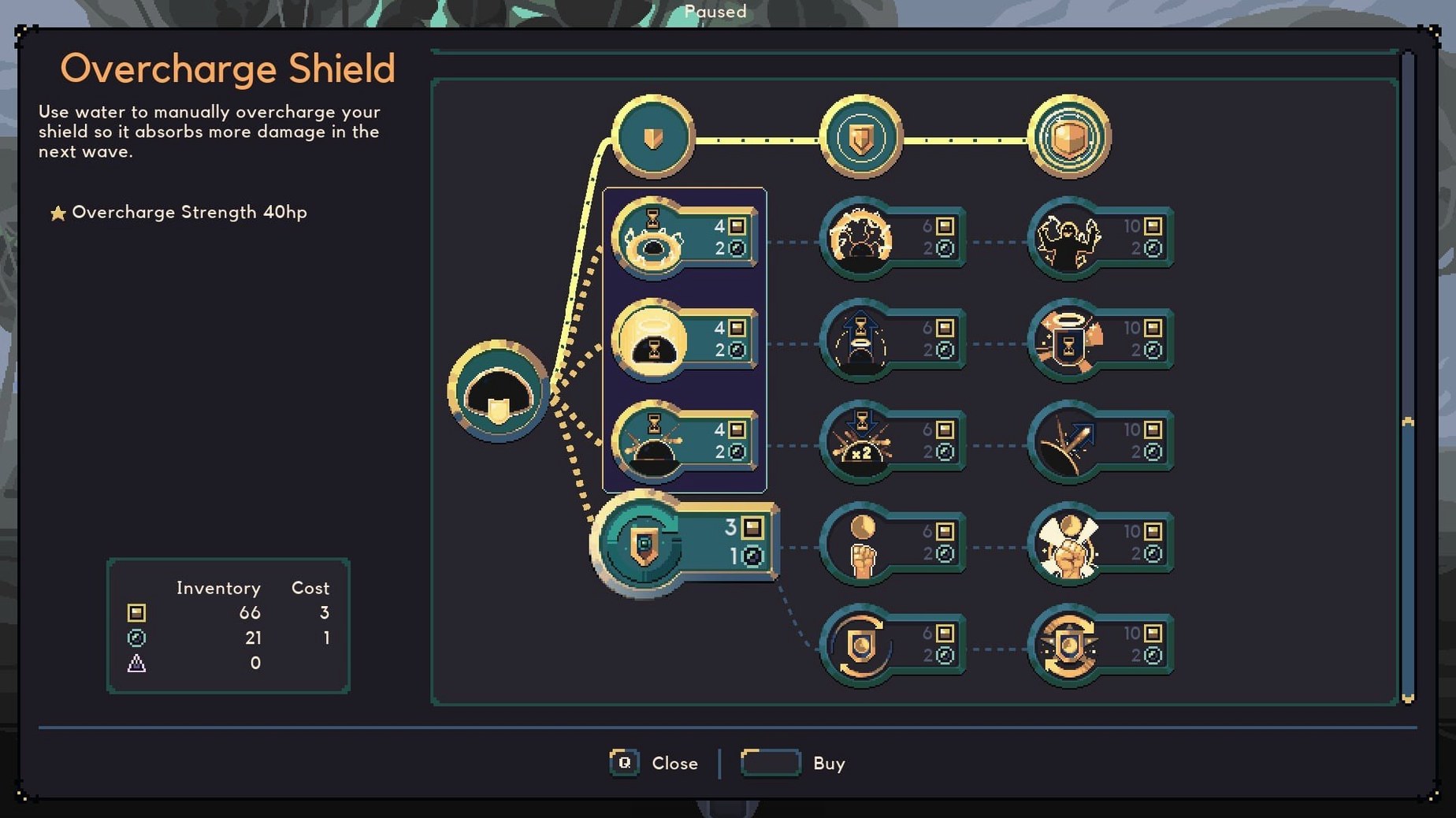
When the warning siren sounds, you drop everything and boost back to the surface using your jetpack. The seconds it takes to unload your haul and get the dome's laser firing are the difference between surviving and starting over. Upgrades like faster jetpack acceleration or stronger drill bits come from the very materials you just hauled up.
Fend off the attack waves
Enemies come from the sky and across the ground, and the dome's weapon fires where you aim it. Between waves, you decide whether to reinforce the dome's health, improve your mining speed, or unlock gadgets that change how you gather. The loop is simple—dig, haul, defend, upgrade—but the pressure of choosing wrong makes each run feel personal.
Mining vs. combat split depends on your keeper
People often wonder whether the game leans harder on the mining or on the combat. The honest answer is that it depends on the keeper you pick. The default engineer splits time almost evenly between the two, but the assessor keeper rewards slower, more methodical underground exploration, while the infiltrator turns the defense phase into something more aggressive. You figure out your rhythm over the first couple of runs.
Another common question is about the difficulty curve. Dome Keeper doesn't ease you in with a long tutorial. You get a basic control prompt, then the first attack wave hits while you're still figuring out how deep to dig. Losing early is part of the process, and the upgrades you unlock between runs—new gadgets, different loadouts—make the next attempt feel less punishing. It's a roguelike structure where knowledge of the systems matters more than twitch reflexes, though both help.
People also ask about the soundtrack's role in the experience. The music shifts between calm, looping synth pads while you're underground to more urgent, percussive passages when enemies approach. If you're sensitive to audio cues, the soundtrack practically becomes a UI element—you learn to read the tempo changes before the siren ever goes off.
Procedural caves vs. handcrafted maps
Stack three mining-adjacent roguelikes on a shelf and the differences clarify quickly. SteamWorld Dig 2 shares the dig-and-return loop, but it's a handcrafted Metroidvania with a story and fixed map. Dome Keeper's procedural generation means you're never retreading the same tunnel layout, and there's no narrative pulling you forward—just the escalating threat cycles.
Motherload, the old Flash-era digging game, has a similar fuel-and-haul rhythm, but it lacks the defense layer entirely. You drill, you sell ore, you upgrade, you drill deeper. Dome Keeper adds the surface-level pressure that Motherload never had, and the dome itself becomes a character you're protecting rather than just a shop you return to. If you remember Motherload and wished someone had bolted a combat system onto it, this is that idea executed with care.
Wall World also procedurally generates a vertical mining shaft and throws enemies at you, but it's built around a moving base that crawls up the wall. Dome Keeper's fixed dome position makes the defense feel more like a siege, and the jetpack return trips are faster and more frantic. Wall World asks you to manage a mobile platform; Dome Keeper asks you to hold your ground.
Version 5.0.8 brings a handful of quality-of-life tweaks. Direction indicators for multiplayer, a toggle for manual or automatic Kunai Carrier pickup on the Infiltrator, and new options for which items drop first when keepers unload. Split-screen players also get a loadout scaling slider.
- Architecture: ARM and x86-64
Porch talk 0
Come in or pull up a chair to leave a comment.
Nobody has pulled up a chair yet. If you used it on a real Saturday, say what the hour was.