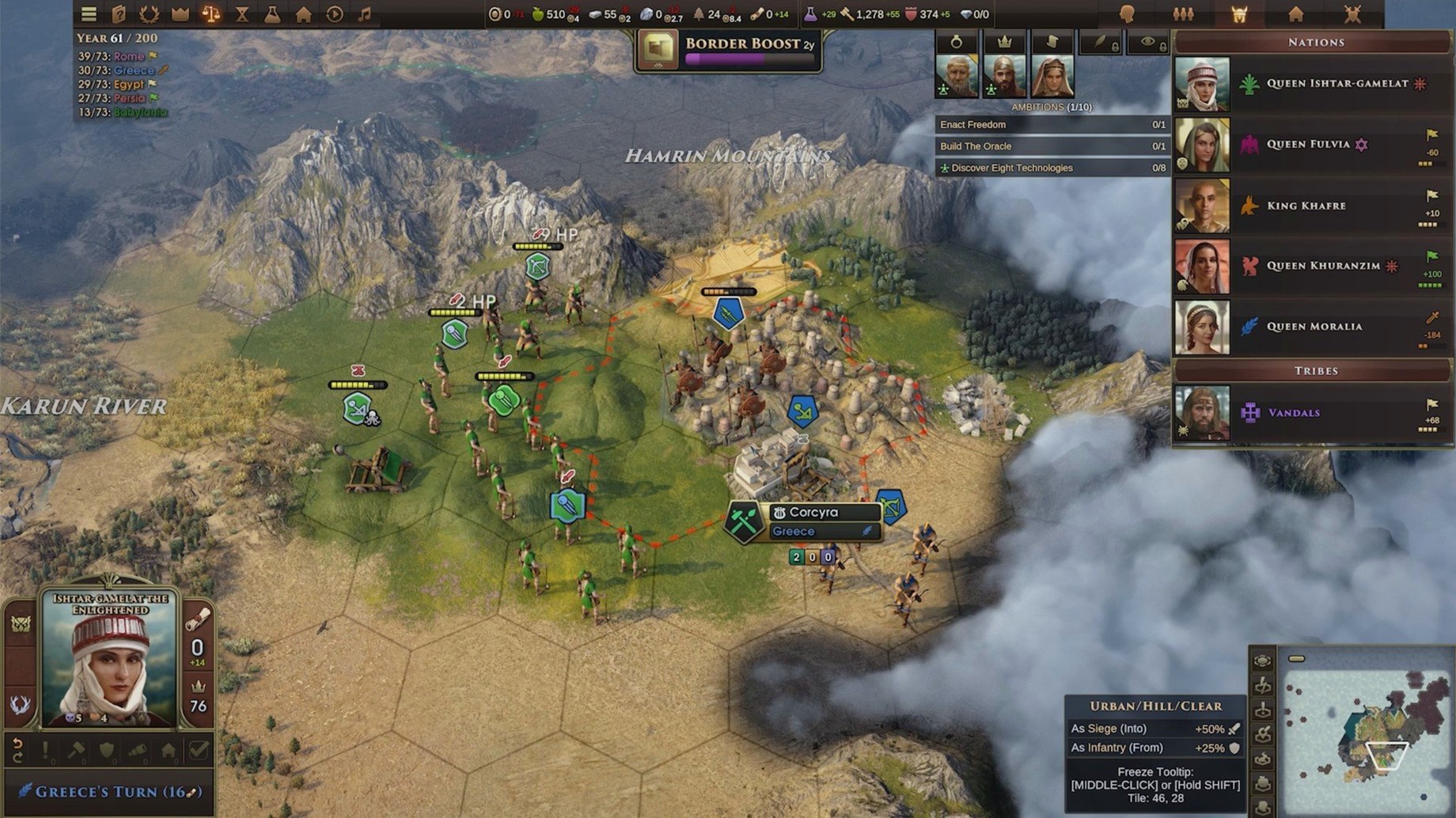
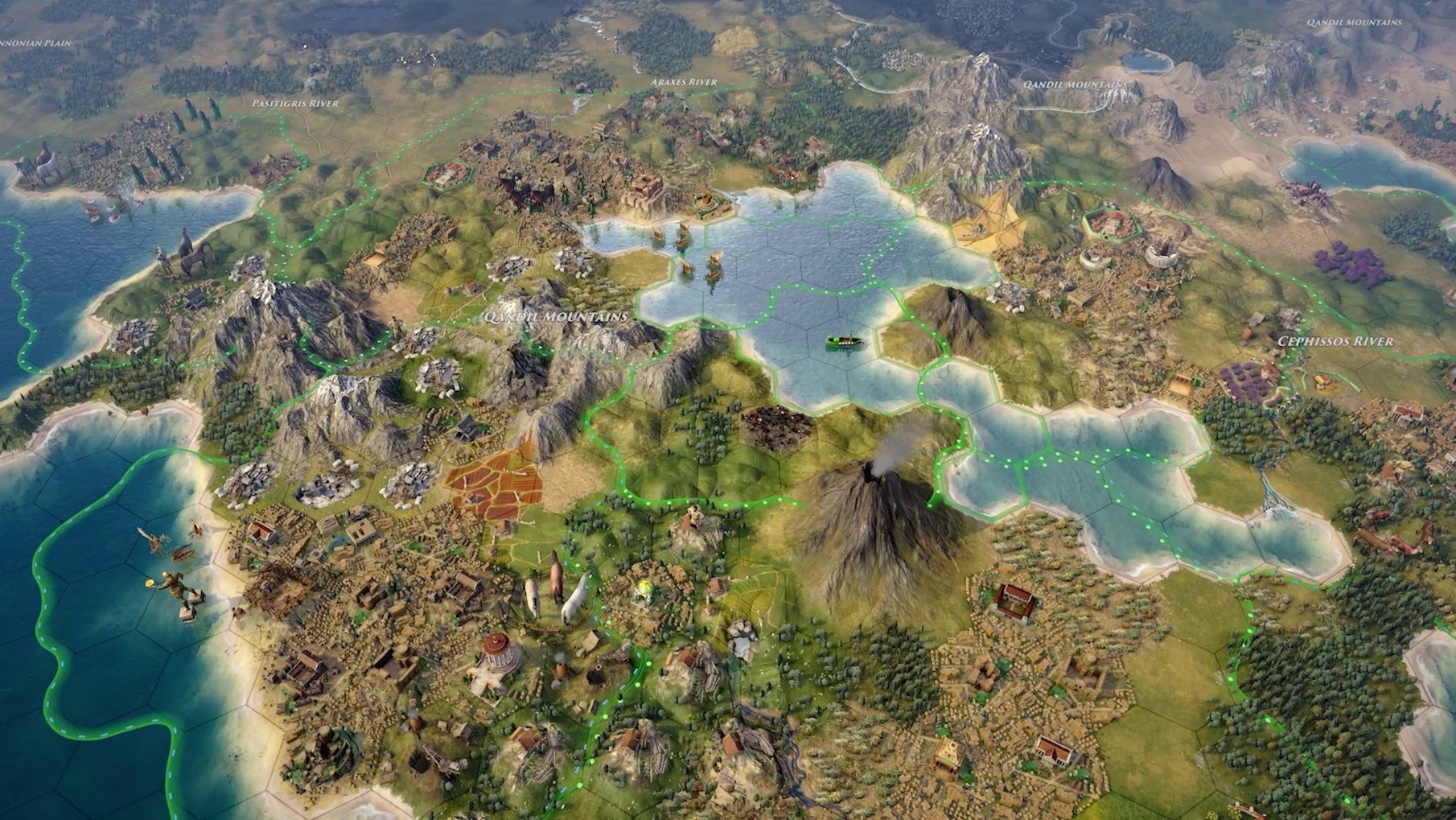
Anyone who has spent time with a dense grand strategy title knows the rhythm: you plan a dozen moves, then watch them play out. Old World, a historical 4X from Mohawk Games, borrows that sense of weighty decision-making and threads it into a setting drawn from classic antiquity. You are not managing an abstract nation so much as a ruling dynasty, navigating turns where each order you issue counts against a finite pool.
The Orders system sits at the heart of every turn. Move an army, build a farm, launch a diplomatic overture — each action draws from the same resource. It forces you to choose between military expansion and internal development in a way that feels immediate. Backing up those choices are seven playable kingdoms, each containing four noble families with their own ambitions, grievances, and marriageable heirs.
What fills out the box goes well beyond the core loop. More than 3,000 unique events, drawn from history and myth, surface as you play, reshaping your court and your cities. Multiplayer stretches across hotseat, asynchronous, and cloud play, and the game openly supports mods for those who want to reshape antiquity to their own liking.
It is a game about constraints, and the best moments come when a sudden event collides with a spent order pool, leaving you to improvise with whatever tools your family still holds.
Settings Worth Tinkering With First
Out of the box, Old World makes a few assumptions about how you want to play. A handful of tweaks in the game setup and options menus can shift the whole feel before your first city is founded.
The biggest one is turning off the tutorial if you have any 4X experience. It is thorough but talkative, and it gates certain actions behind its own pacing. You can always re-read the encyclopedia entries later — they sit in a dedicated panel and do not interrupt your turn.
In the map generator, bump the city site density up one notch. The default is balanced for multiplayer parity, but single-player campaigns on standard density can leave stretches of empty land between rivals, which slows the early game more than some players enjoy. More sites means more border friction and more decisions about where to plant your next settlement.
Under gameplay options, set event frequency to high at least once. The event pool is what separates Old World from drier historical sims, and on the default rate you might clear a full campaign without seeing some of the stranger narrative threads. High frequency pushes those family dramas and mythological echoes forward without making the game feel overwrought.
Finally, disable auto-cycle units if you prefer to scan the map yourself before committing orders. The default setting cycles through every idle unit, which can nudge you toward moving a scout you meant to leave in place. It is a small thing, but the orders pool makes every accidental move cost something.
How a Multiplayer Diplomat Plays
Picture someone who picked up Old World not for the conquest but for the court. A player who gravitates toward the asynchronous multiplayer mode because it turns the game into a slow-burn negotiation that runs across a week rather than a single evening.
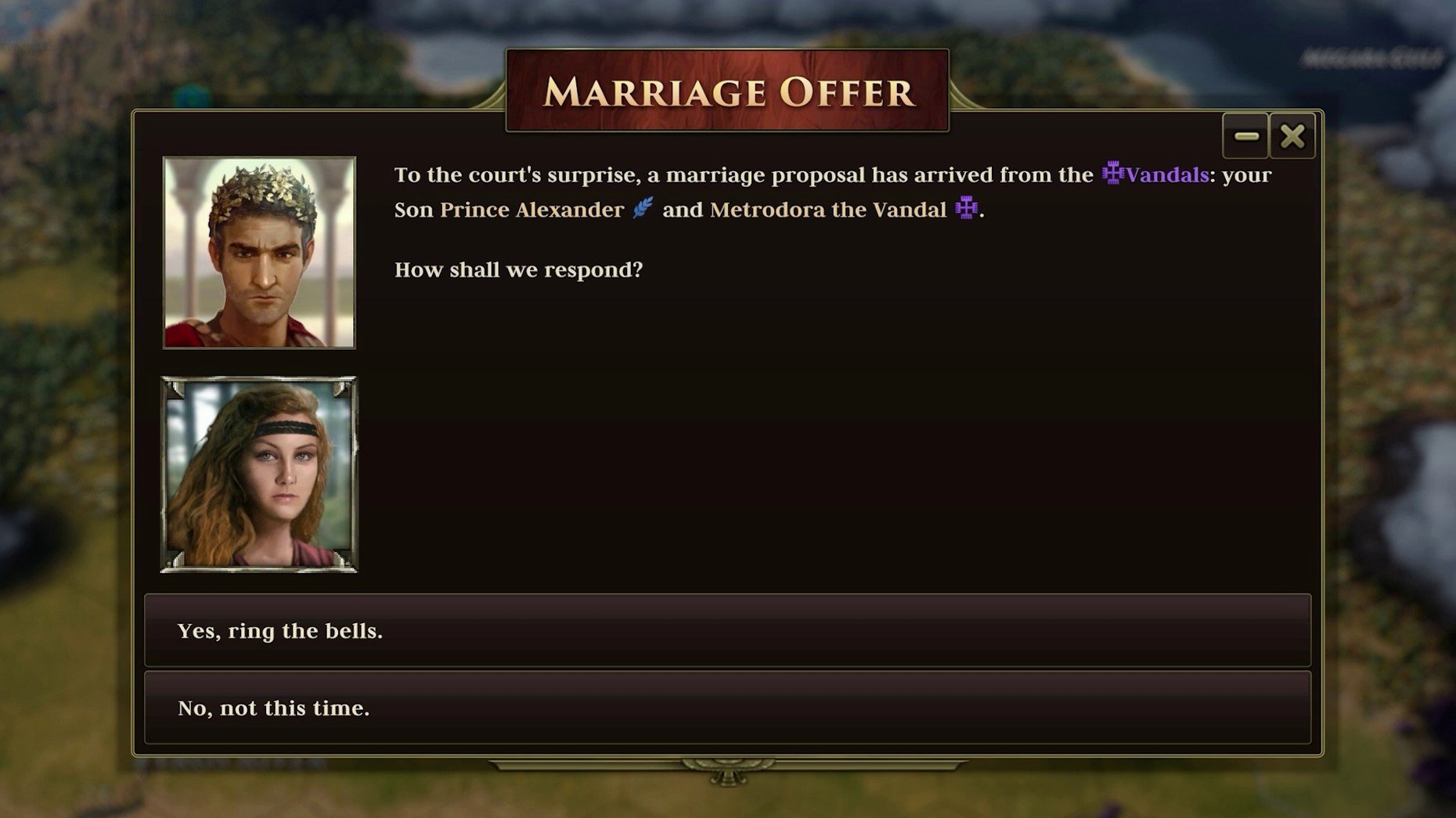
This player picks Carthage for the diplomatic legacies and immediately opens channels with every neighboring noble family. They do not build a barracks on turn ten. They build friendships. When a rival kingdom's chancellor dies without an heir, this player already has a marriage candidate ready — a granddaughter they have been cultivating for exactly this opening. No army required.
The asynchronous format rewards this patient style. Notifications arrive like dispatches from a distant court. A turn notification pops up while they are editing photos at their desk; they spend five minutes considering an event about a disgraced court poet, fire off a single diplomatic order, and go back to Lightroom. The game breathes around their schedule, not the other way around.
By midgame they have woven a web of alliances that makes direct warfare against them politically untenable. Their cities are small but secure, their bloodline threaded through three foreign courts. When the weekly challenge scoreboard refreshes, they rank not by territory but by legacy — and that counts just the same.
Mistakes Beginners Walk Into
For all the familiar 4X shape, Old World punishes a few habits that seasoned strategy players bring from other titles.
The first is treating orders like gold — hoarding them at the end of a turn in case something urgent happens. Orders do not roll over. Unspent orders are wasted turns, and early campaigns stall because a beginner saved four orders for an emergency that never came while a rival used those same turns to claim a marble quarry and rush a wonder.
Another trap is ignoring the family opinion panel until it is too late. It sits in a tab most players check only when a rebellion fires. By then a noble family has been simmering for twenty in-game years over a slight you did not know you committed — a passed-over governorship, a marriage refused. Checking that panel every few turns and tossing a minor favor to a disgruntled house costs almost nothing and prevents the kind of civil war that ends campaigns.
Finally, newcomers often sleep on the undo button. Old World lets you undo any move that did not reveal new information or trigger an event. Players coming from ironman-only habits will restart entire turns out of muscle memory, never realizing that a misclicked scout can simply be walked back. Use it until the game tells you the undo window has closed — it saves both orders and sanity.
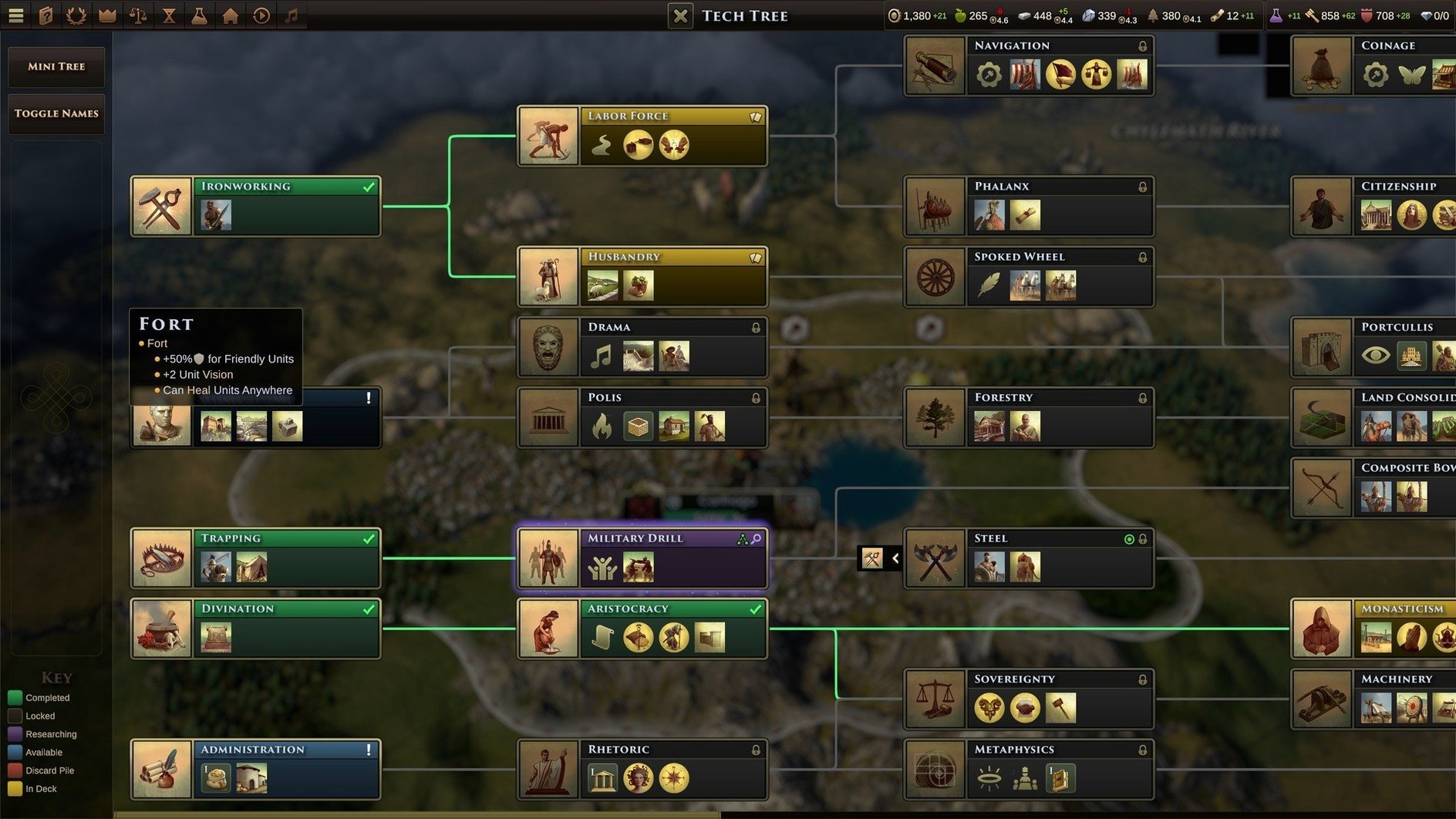
The latest build sharpens a few corners. Polybolos get a hefty +50% attack boost, while forts can no longer be placed adjacent to one another, breaking up some cheesy defensive lines. The AI now fields fewer Militia, Conscripts, and outdated units, and some Mac crash debugging was added under the hood.
- macOS version unlisted (Intel and Apple Silicon both supported)
Porch talk 0
Come in or pull up a chair to leave a comment.
Nobody has pulled up a chair yet. If you used it on a real Saturday, say what the hour was.