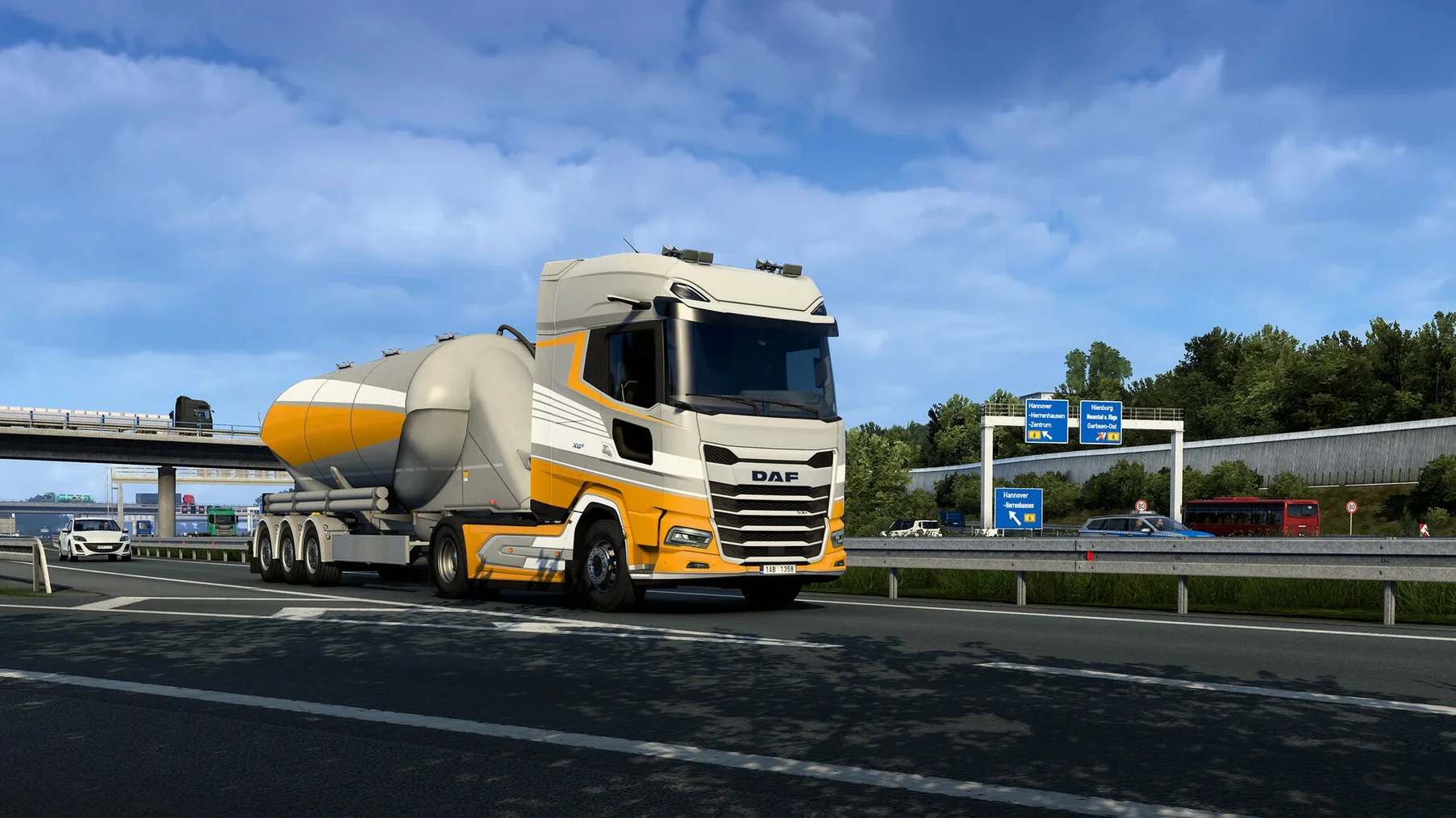
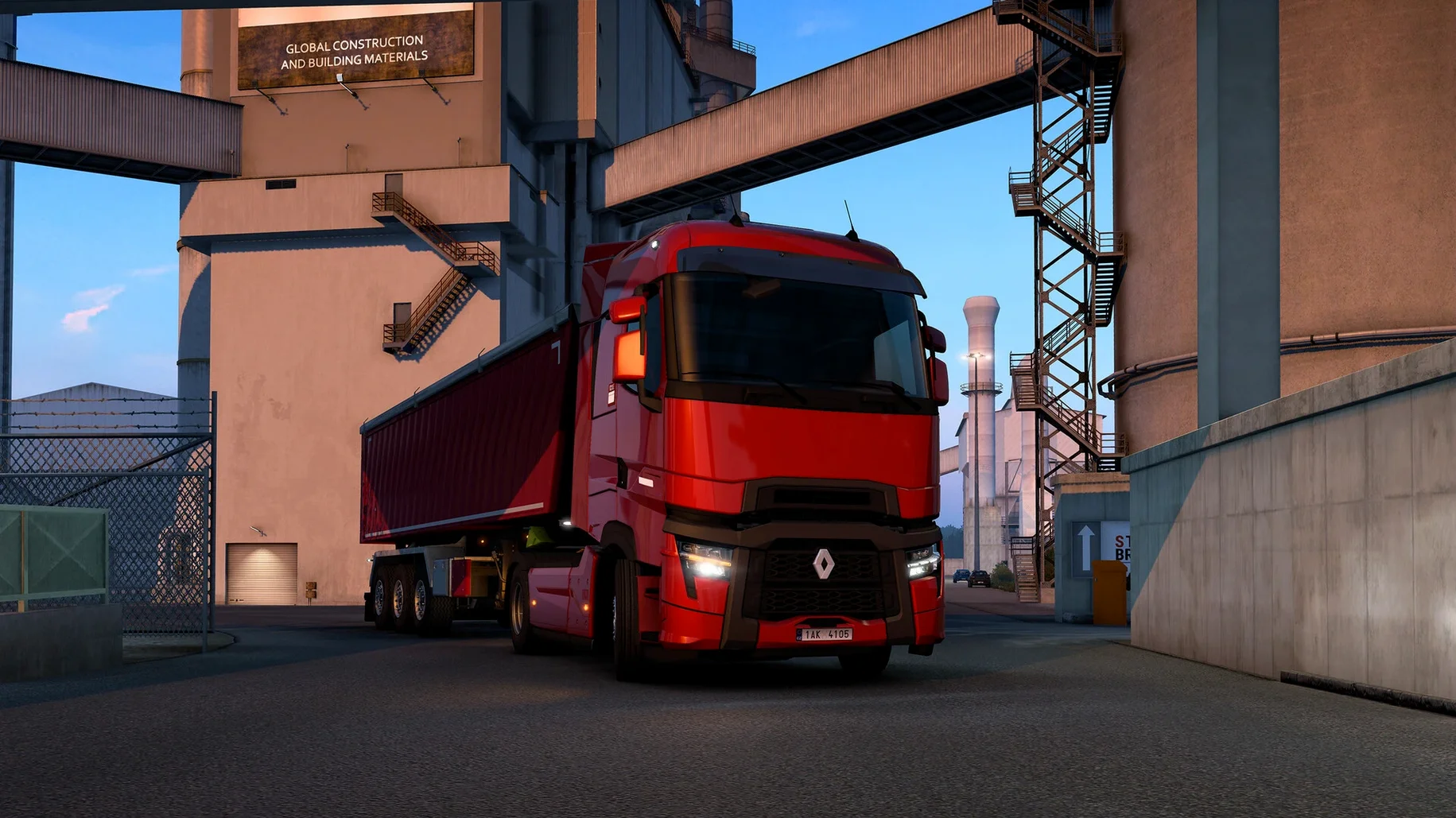
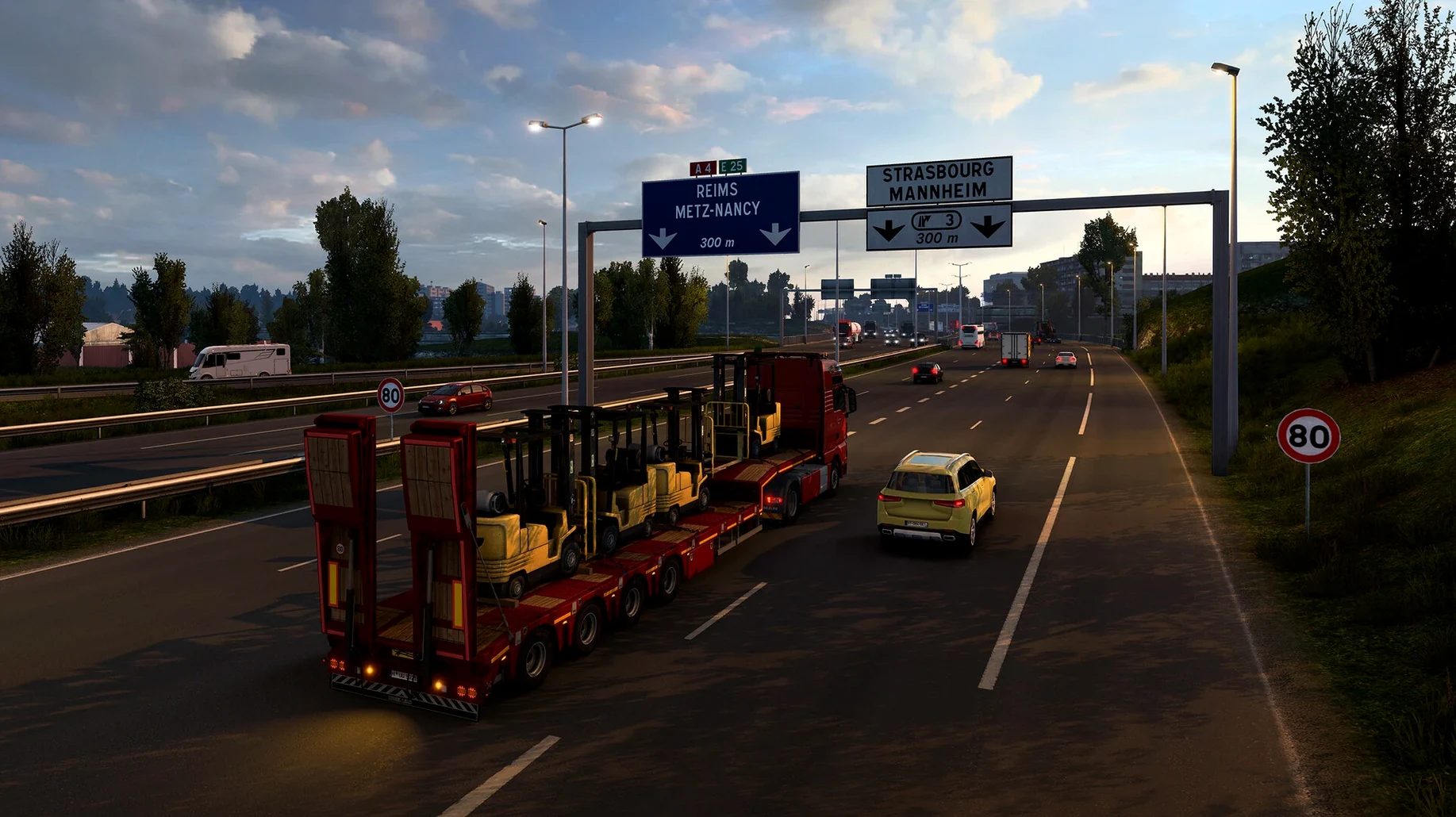
This game runs on 64-bit Intel Macs, so check your system before making space for it.
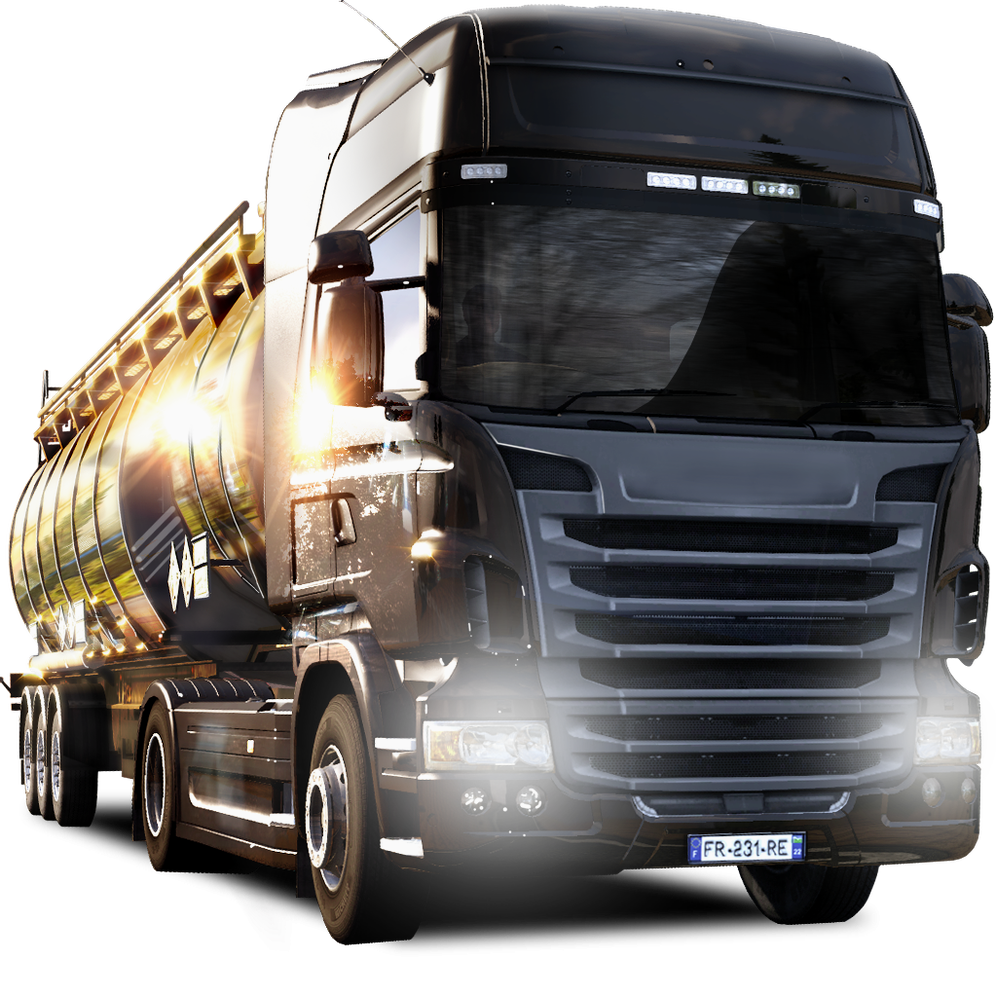
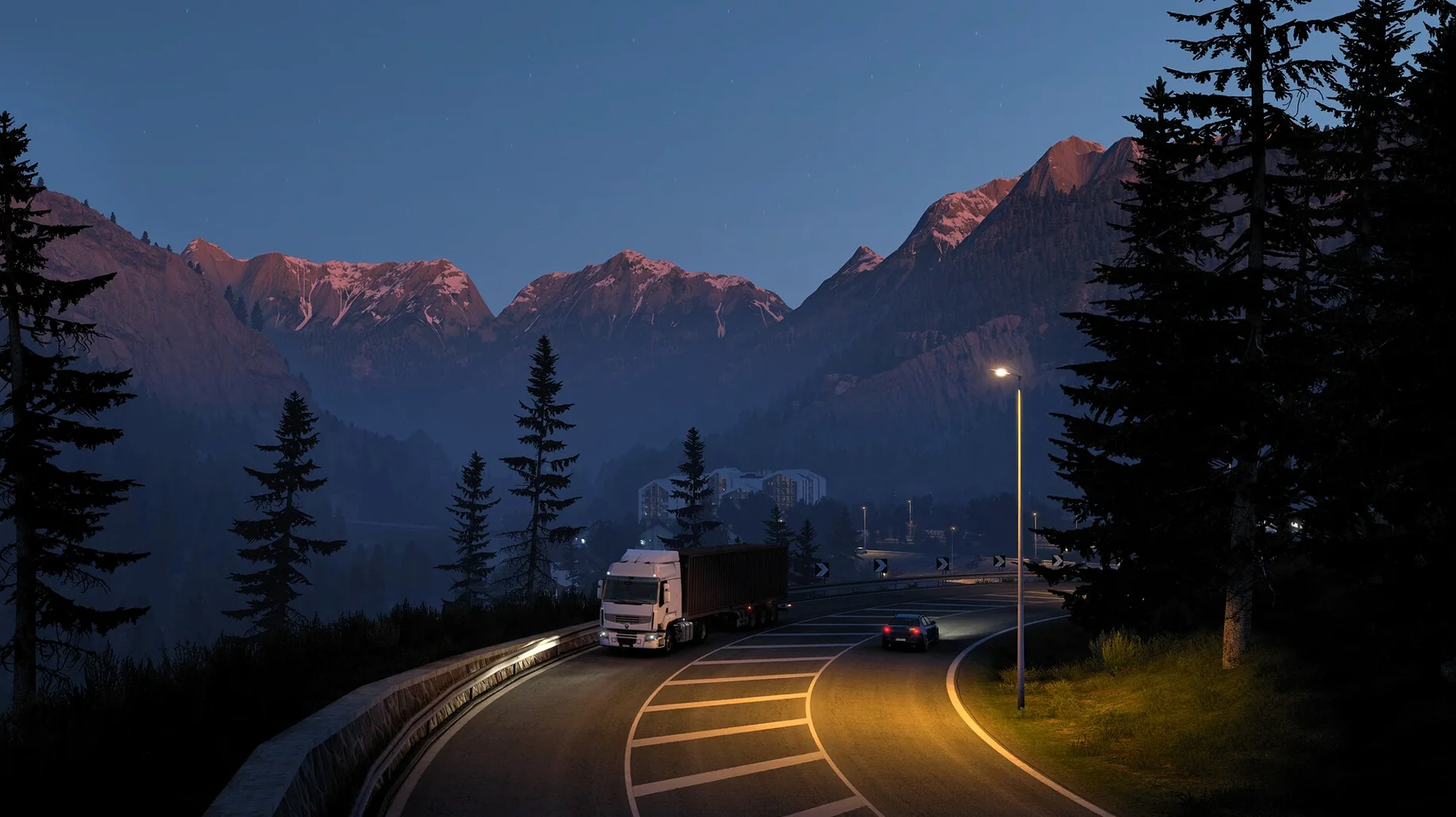
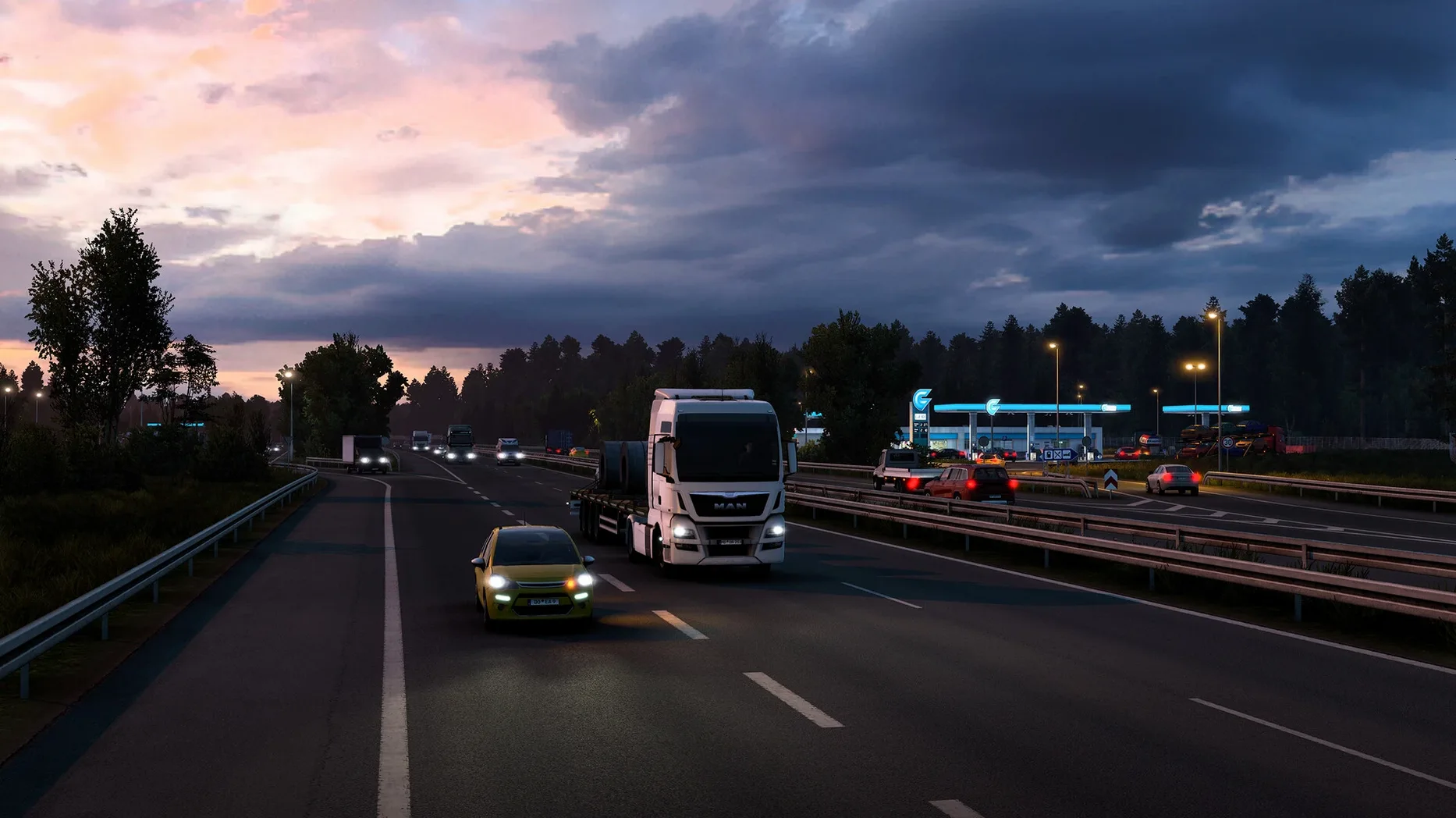
Slow-burn road trip — the game where the highway itself is the main character. You’re not racing a clock or chasing a high score; you’re backing a trailer into a tight loading dock while the sun comes up over a French toll road.
Build-and-drive loop — you start as a driver for hire, taking cargo jobs across a condensed map of Europe. Money earned goes toward your own truck, then a garage, then a small fleet with hired drivers. The business layer is light but gives each delivery a sense of forward momentum.
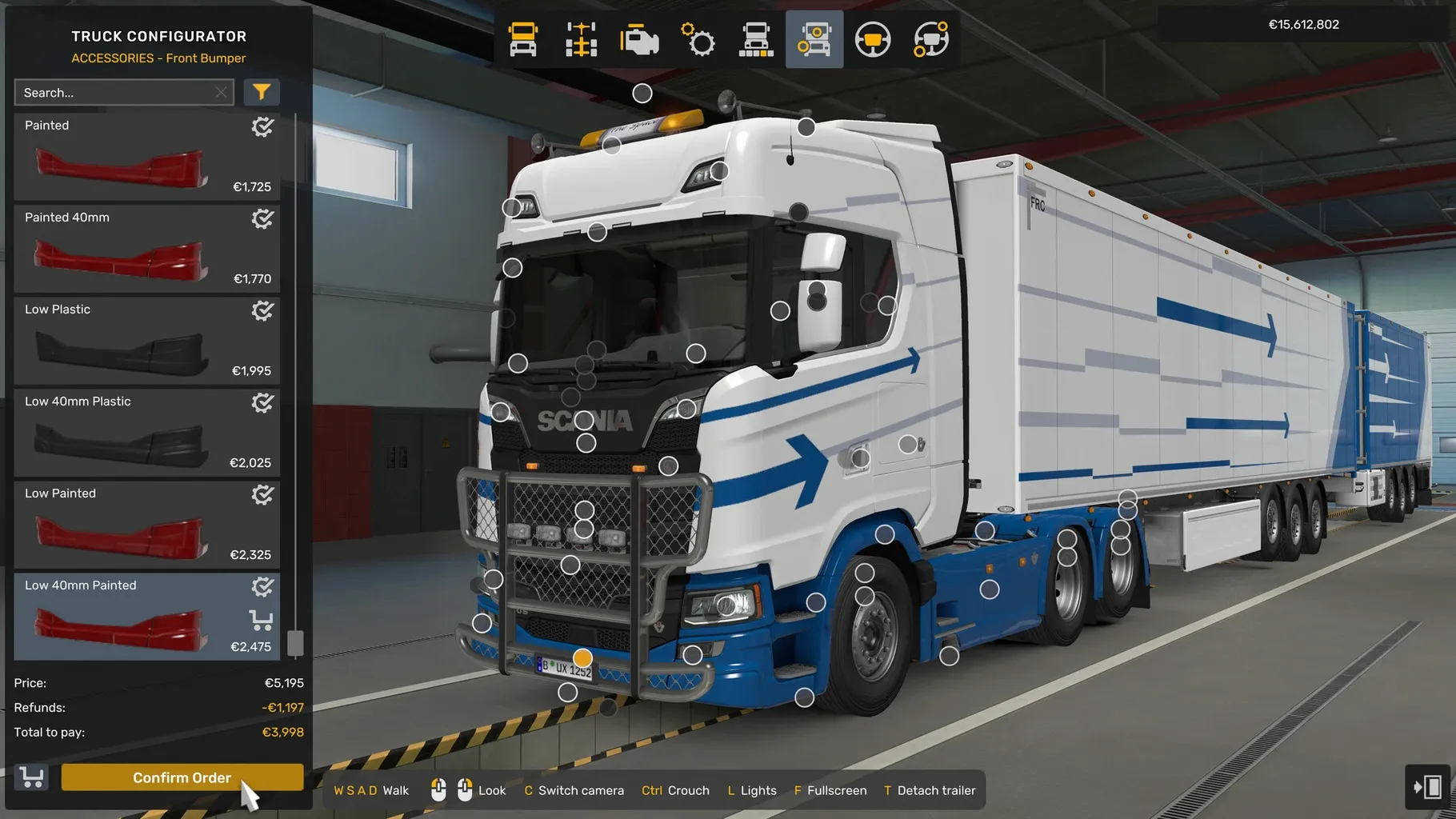
Customization that matters — trucks can be tuned for the job. Swap engines and gearboxes for mountain routes, adjust the chassis for heavier loads, and tweak the cabin with paint, lights, and interior details. It’s the kind of tinkering that appeals to model-building types.
Who it’s for — anyone who finds rhythm in a long drive, likes managing small systems, or just wants a game that doesn’t demand constant attention. Who it might bore — players who need scripted storylines, fast action, or immediate rewards. This is a game you settle into, not one you beat.
Planning a Long Haul Across the Map
It’s easy to bounce between quick jobs when you first open the game, but the real satisfaction comes from stringing together a multi-stop route that feels like a proper road trip. Here’s a workflow I use when I want a session that lasts an evening and leaves me somewhere completely different from where I started.
Start in the job market with a filter on distance. Pick a cargo going from a city you know well to one you’ve barely visited — say, departing Manchester heading toward Kraków. Before accepting, open the map and trace the route with your eyes. Look for ferry crossings, mountain passes, and stretches where fuel stations thin out. The game won’t punish you for running out of diesel, but the tow fee stings and breaks the rhythm.
Accept the job, then head to the garage or a nearby service station. Check your truck’s odometer and fuel level. If the route crosses the Alps or the Carpathians, swap to a gearbox with shorter ratios; you’ll sacrifice a bit of top speed on the German autobahn but save yourself crawling uphill in second gear. Adjust the seat position and mirror angles — a minute spent here prevents three minutes of squinting at a roundabout in Lille.
On the road, use the in-game radio or a playlist that matches the landscape. I keep the GPS zoomed out enough to see the next two turns, not every lane change. When fatigue warnings appear, don’t push through. Pull into a rest stop, save manually, and take a real breath. The game’s fatigue simulation isn’t aggressive, but ignoring it leads to the kind of sloppy lane-keeping that racks up fines and cargo damage.
When you arrive, the parking challenge is the payoff. Switch to the exterior camera for the final few metres if the dock is tight. Once the trailer is squared up, the job summary screen feels earned. Then you’re free in a new city with a fresh job board — and the loop starts again.
ATS’s sibling rivalry, not a clone
A few Mac-compatible sims occupy the same headspace, and they pull in different directions. Knowing the contrasts helps you pick the right one for your mood.
American Truck Simulator is the obvious sibling. Same developer, same engine, same core loop. The map concentrates on the western United States, with wider highways, longer straights, and a different rhythm of truck-stop culture. ATS feels more expansive but less dense — fewer tight city centres, more desert crossings. If you like the management side of Euro Truck Simulator 2 but want a change of scenery, ATS scratches the itch. The truck customization leans toward long-nose conventionals, which handle differently than the cabovers you’re used to in ETS2.
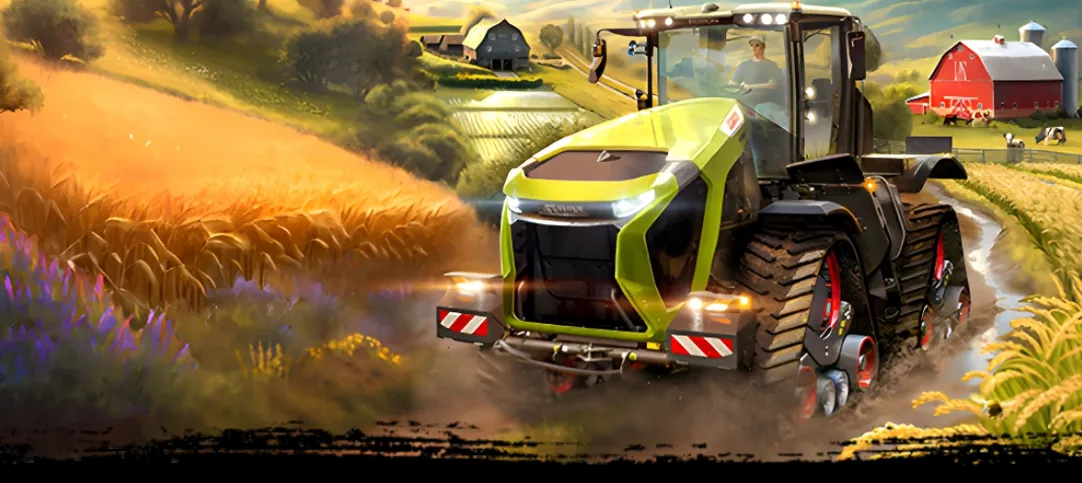
Farming Simulator — whichever recent version you find — shares the slow-build DNA. You’re managing equipment, planning routes across fields, and growing an operation from a single tractor to a fleet. The driving model is simpler; vehicles feel heavier and less responsive because the simulation targets ground pressure and implement physics rather than highway handling. Farming Simulator appeals more to the spreadsheet-minded player. Where Euro Truck Simulator 2 rewards a steady hand on the wheel, Farming Simulator rewards crop rotation math and logistics planning.
SnowRunner is the outlier. It’s also about hauling cargo in large vehicles, but the challenge comes from terrain — mud, snow, ice, and water crossings that turn every delivery into a puzzle. The trucks crawl, tilt, and sometimes flip. There’s no business to manage, just a series of increasingly punishing contracts. If ETS2 is meditative, SnowRunner is tense. It’s for someone who finds highway cruising a little too peaceful and wants their cargo runs to feel like expeditions.
Daily Performance and Stability
On an Intel Mac, the game runs through Rosetta and still holds up surprisingly well. Load times are moderate — about twenty seconds from the menu to the cab, longer if you’ve added map-expanding DLC. Once you’re in the driver’s seat, the frame rate stays smooth at medium settings on machines with dedicated graphics. Integrated Intel GPUs struggle with scaling and mirror quality; dropping those two settings reclaims most of the performance without making the game look flat.
Memory use hovers around two and a half gigabytes in my sessions, occasionally climbing toward three after several consecutive jobs without restarting. It’s not light, but it’s predictable. I’ve noticed the game benefits from a restart every few hours — the garage and job board screens can get slightly sluggish if you cycle through dozens of listings in one sitting. No crashes to report across multiple delivery sessions, even when alt-tabbing to other apps.
The sound engine deserves a mention for stability. Radio streams don’t cut out when notifications from other apps pop up, and the truck audio — engine whine, air brakes, tire hum — stays consistent. The only quirk I’ve found is that mirror reflections can flicker on bridges during sunrise transitions. A minor visual artifact, not a dealbreaker.
Three jobs in someone else’s cab first
The game drops you into a truck you don’t own yet, with a short list of jobs and a map that looks overwhelming. Here’s how to make the early hours count.
Spend your first three or four jobs taking cargo between cities in the same country. The United Kingdom is a good starting zone — left-side driving takes adjustment, but the distances are short and the road network is forgiving. Use these runs to learn how your truck brakes under load and how wide you need to swing into junctions. Don’t touch the business management screens until you’ve completed at least six deliveries; the temptation to buy a garage too early leads to debt that slows your upgrade path.
When you do buy your first truck, resist the urge to deck it out in lights and chrome straight away. Put the money into a better engine and a six-speed gearbox first. The cosmetic stuff comes later, when you’ve got a steady income and can afford to treat the garage like a workshop. Hire your first driver only after you own two trucks — the AI drivers generate modest income and they need a vehicle assigned, which means you’re paying loan instalments on an asset you can’t drive yourself.
Bind the engine brake and retarder to easy-to-reach keys early. The default controls tuck them behind modifier combinations, and you’ll want instant access on long descents through the Alps. Also, turn off the speed limiter in the gameplay settings for your private truck. It’s enabled by default to match EU regulations, but when you’re running empty on a quiet motorway at midnight, the extra pace keeps the session moving.
Finally, keep a small notepad or a Notes window open during your first week. Jot down which cities have repair shops with good parts inventories and which ferry routes save you the most time. The game doesn’t surface this information cleanly, and your own notes become a personalized driver’s atlas faster than any in-game tool.
The latest update adds a few thoughtful touches for long-haul regulars.
- Proximity Exploration now reveals a small area around your truck as you drive, making map discovery feel more natural.
- A new Volvo FH Series 6 100 Year Edition joins the garage, celebrating a century of the brand.
- An Improved Material System gives select trucks a more realistic finish.
- The Livestock Trailer has been completely reworked with a fresh model.
- Architecture: 64-bit Intel
Questions I actually get
Does the game include real European landmarks?
Yes, the map features hundreds of famous places and structures scattered across the continent.
What languages are supported?
The interface is available in over twenty languages, including Russian, German, French, Spanish, Simplified Chinese, and Japanese.
Porch talk 0
Come in or pull up a chair to leave a comment.
Nobody has pulled up a chair yet. If you used it on a real Saturday, say what the hour was.