
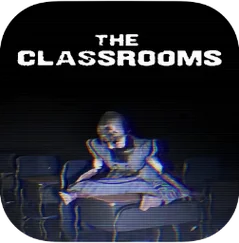
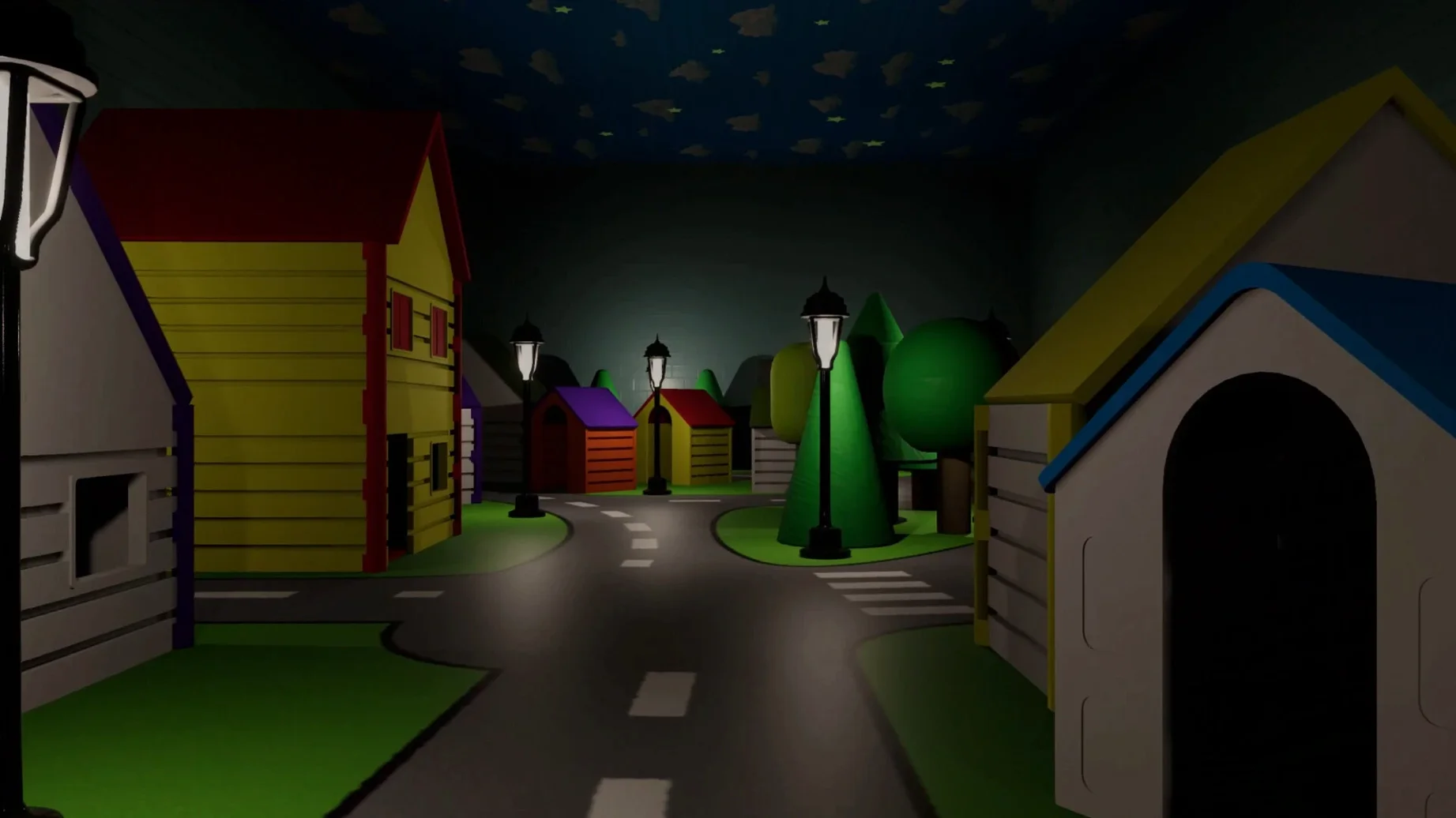
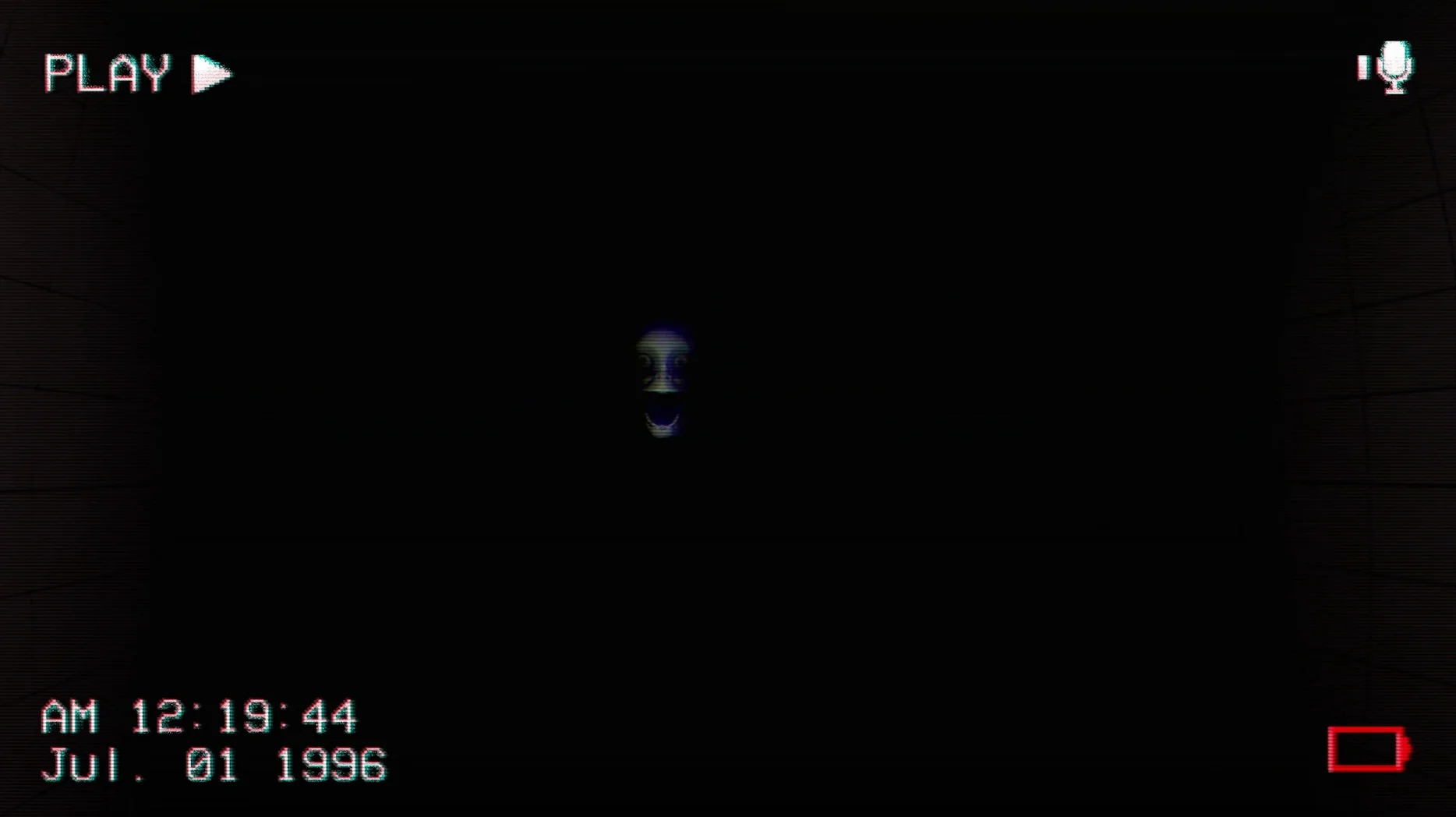
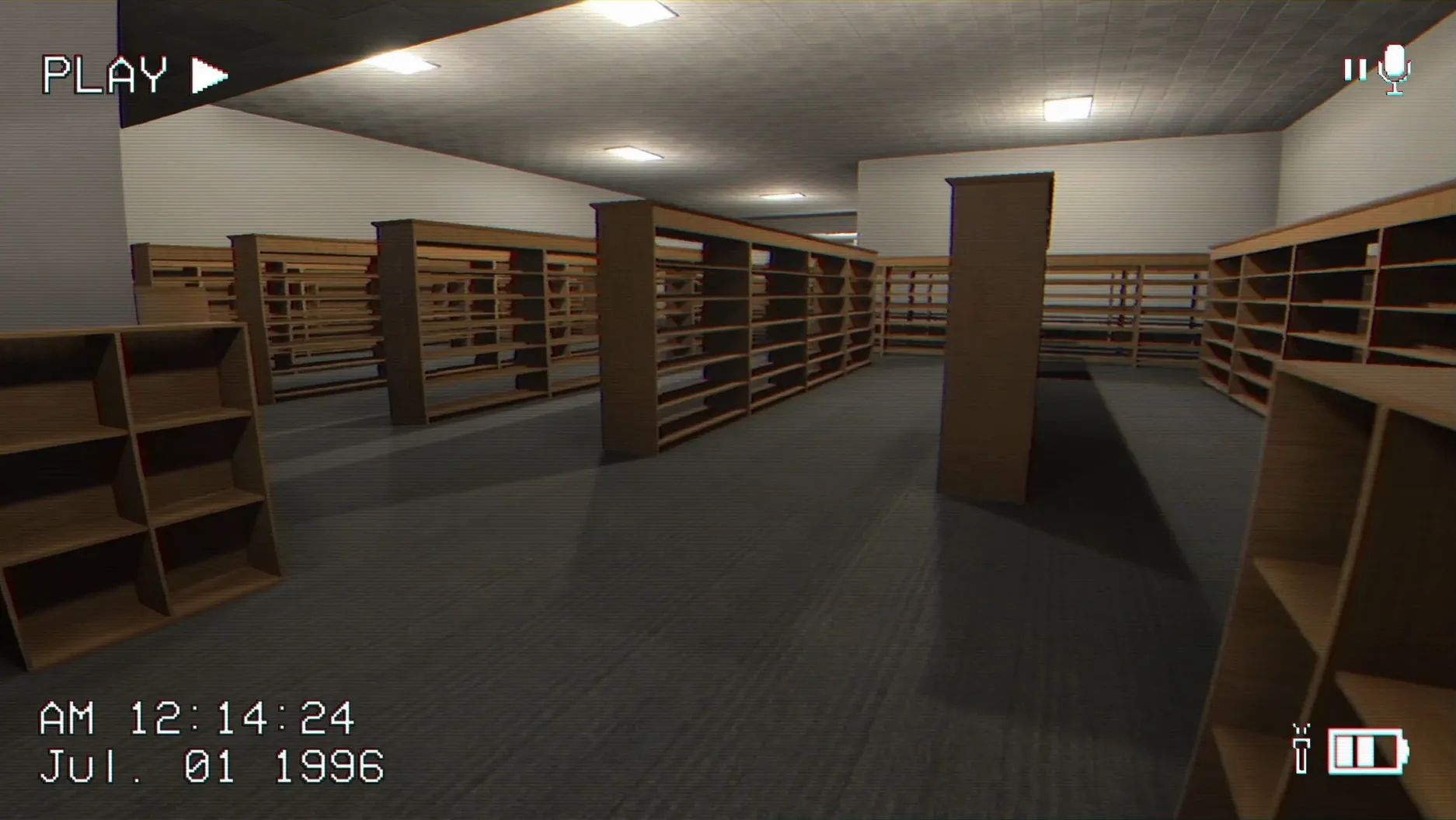
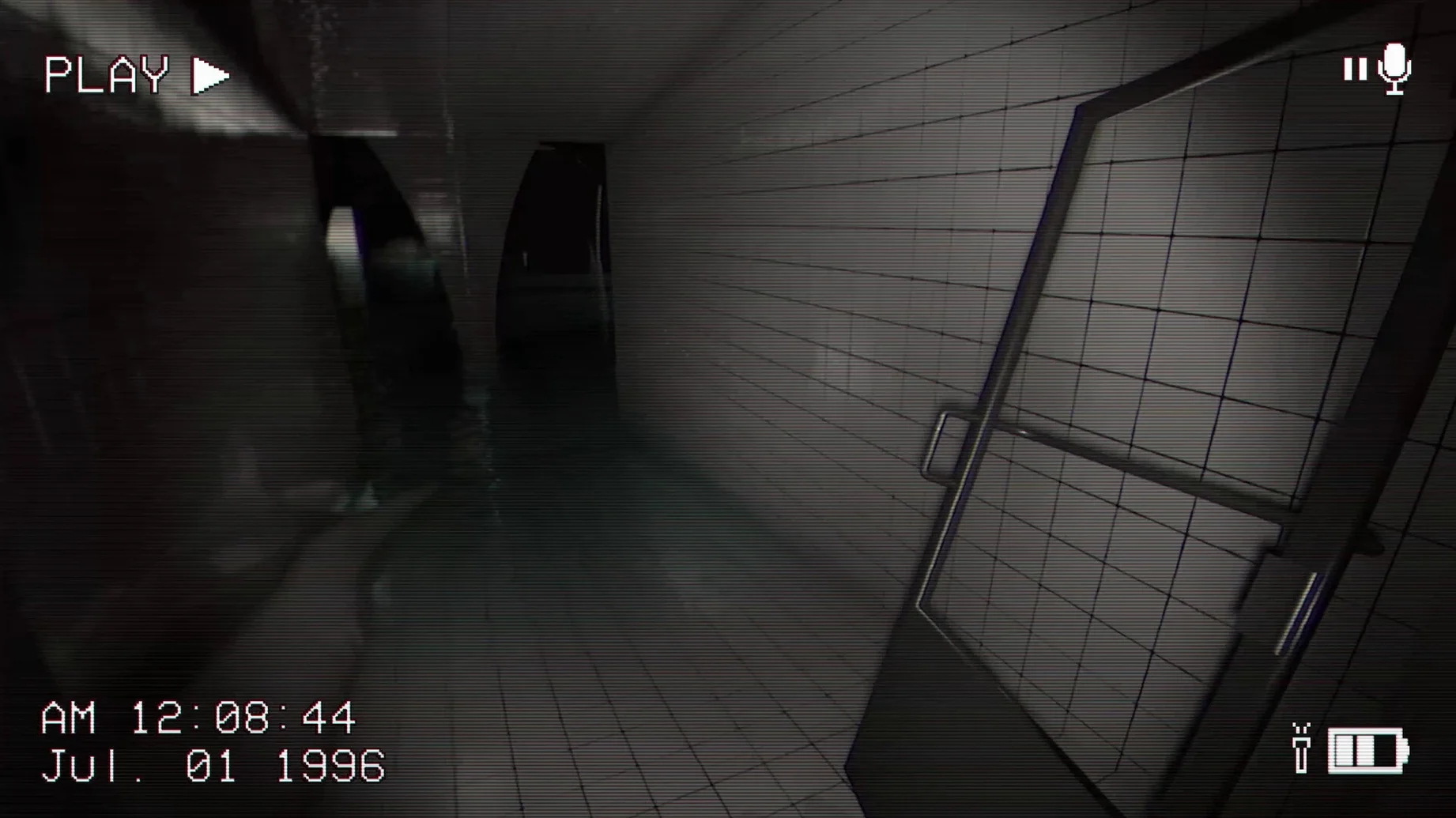
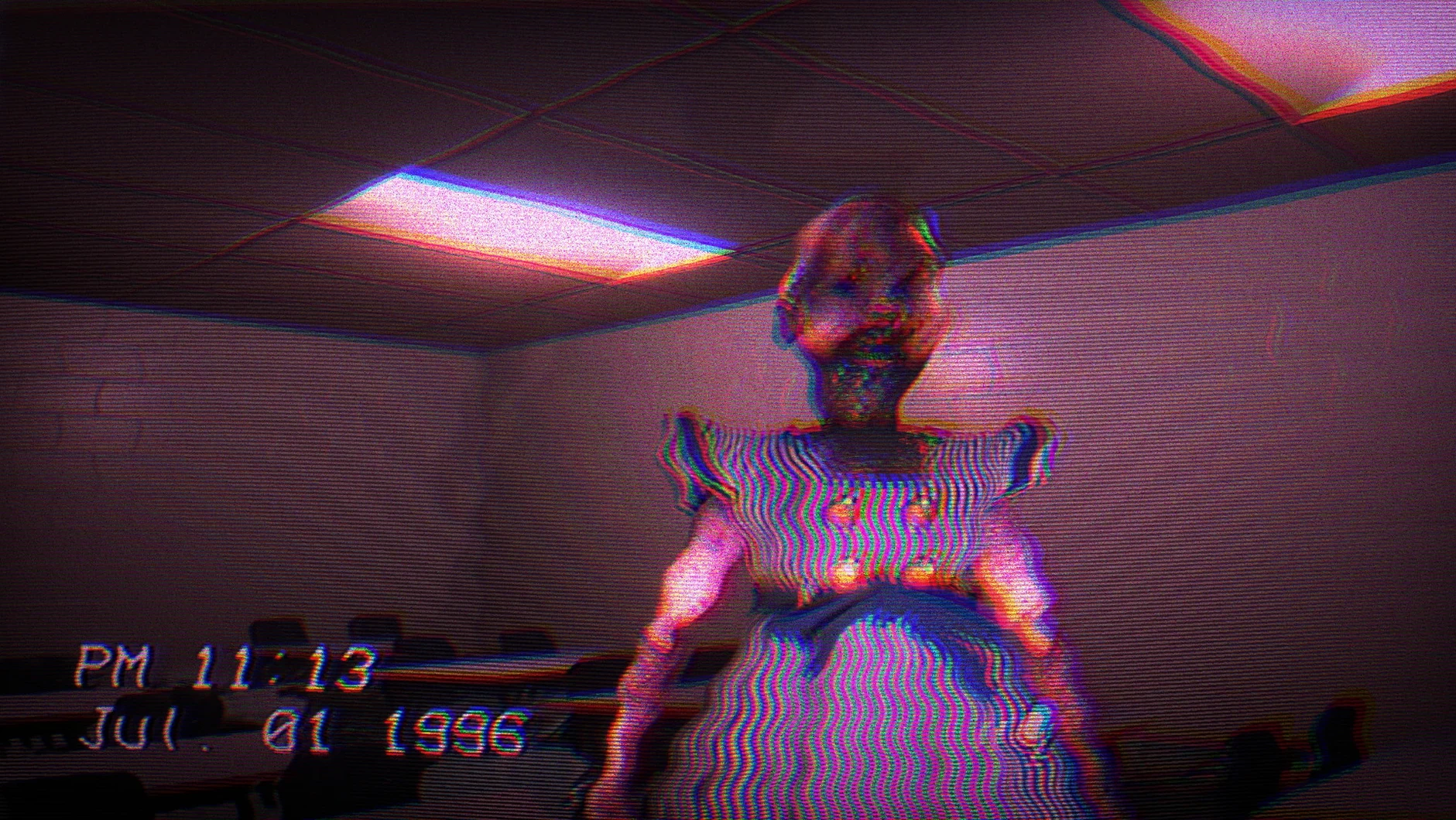
On the Apple Silicon side of things, The Classrooms runs happily on an M1 Mac mini under macOS Sequoia. You won't need a beefy gaming rig to get into this one — just a tolerably modern Mac and a taste for hallways that shift when you're not looking.
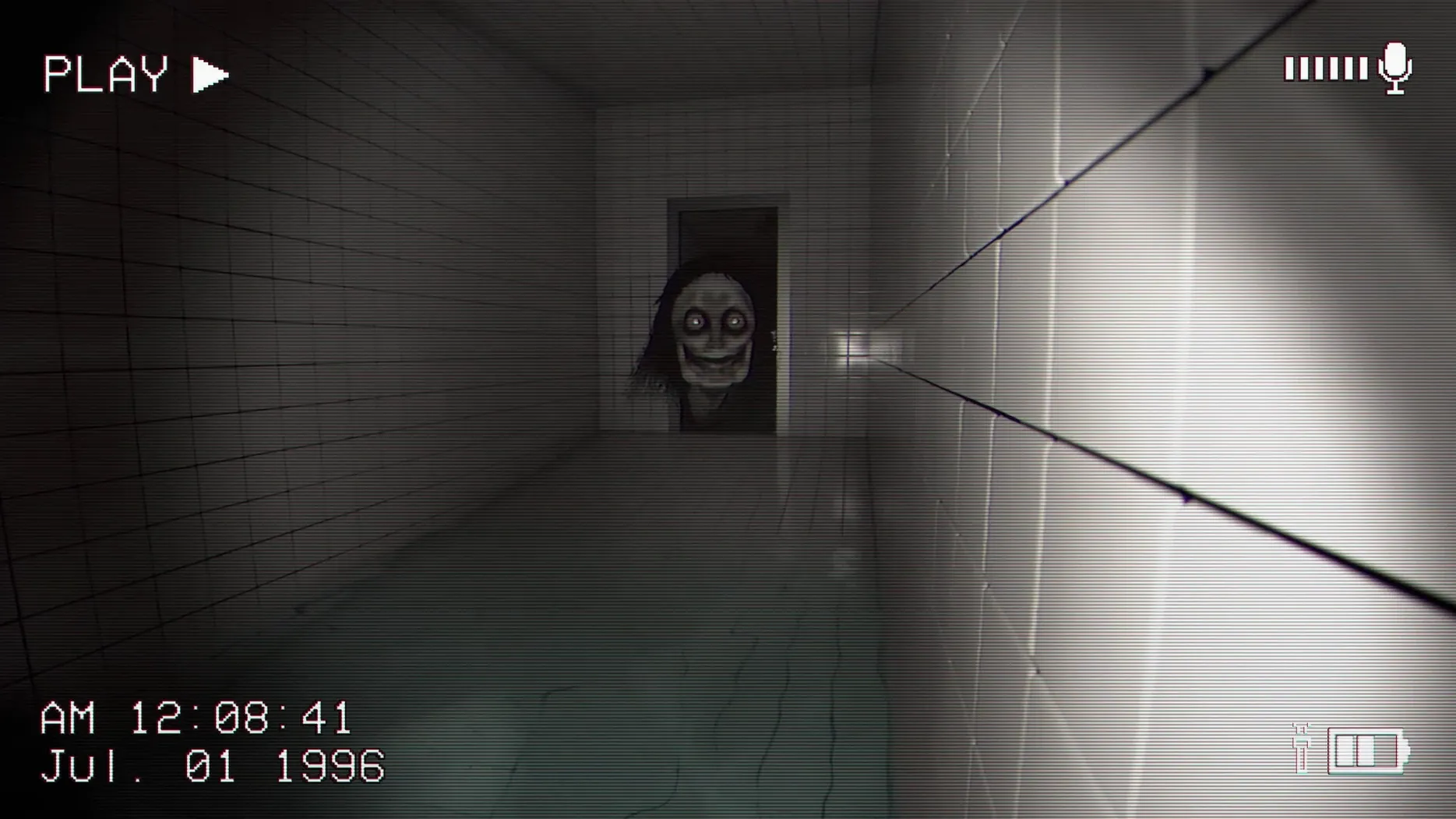
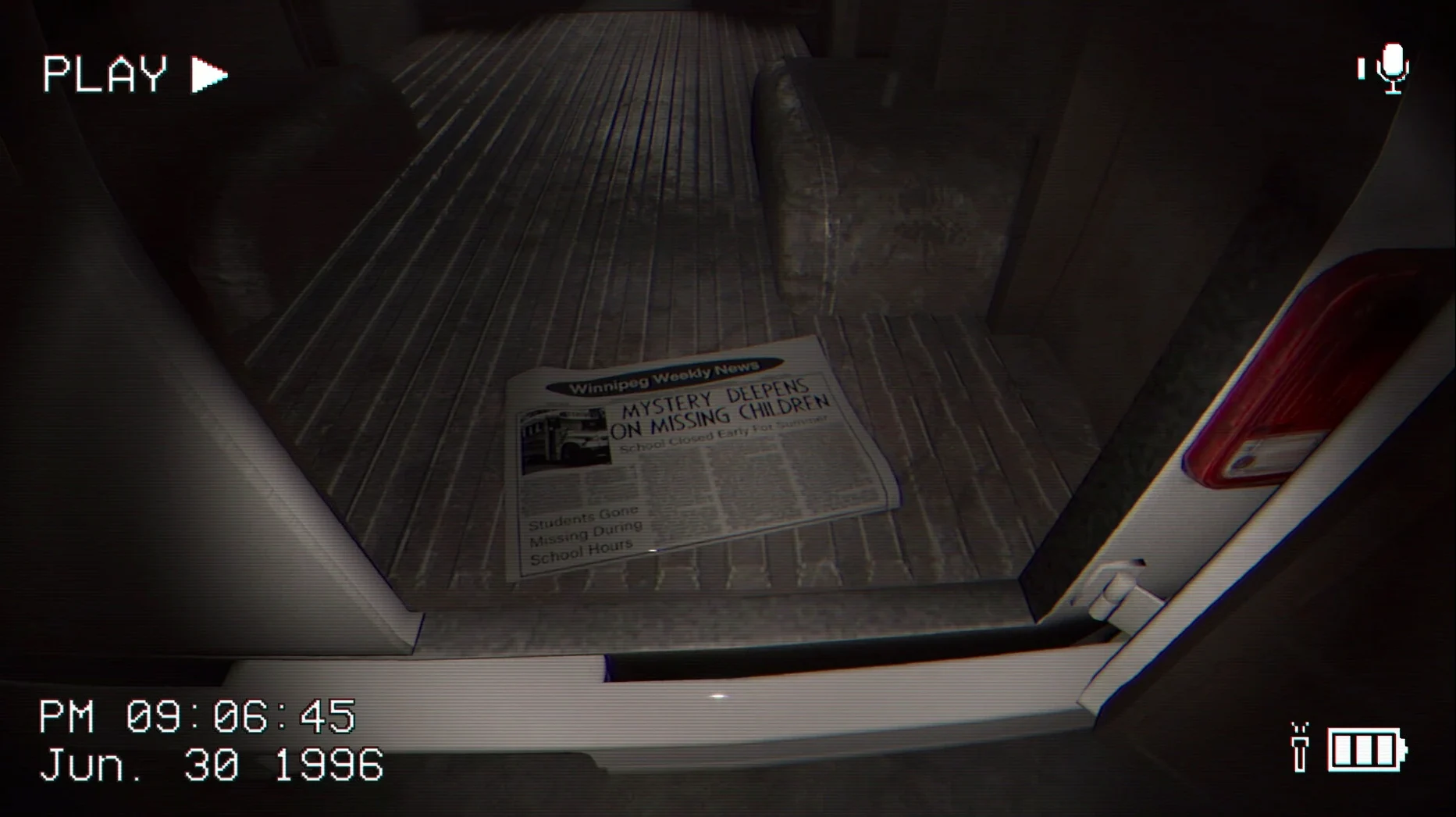
At its core, this is a procedural found-footage horror game. You step into the sneakers of Robert Chen, who in 1996 walks into a newly condemned school to figure out why people keep vanishing there. Every time you start a new run, the layout rearranges itself — rooms, corridors, the things lurking in them — so memorizing a map won't save you.
It's an Early Access title on Steam, published by Xefier Games, which means the experience is still growing. What's already in the box is a dense, liminal maze rendered in grimy VHS textures, with sound design that does most of the heavy lifting for dread. You explore, you scavenge, you try not to get cornered.
If you like horror that relies on atmosphere over jump scares and enjoy the idea of a game that rewrites its own rules each session, this one's worth a late-night look.
First things to tweak after you launch
The game drops you straight into the thick of it, but a couple of quick changes in the settings menu make the first few runs smoother. Head to the graphics tab and knock the resolution down one notch if you notice any stutter — the Wineskin wrapper runs fine on Apple Silicon, but the procedural generation can spike during new room loads. Switch the field of view to something a little wider than the default. Those corridors feel tight enough already; a few extra degrees of peripheral vision helps you spot anomalies before they spot you.
Microphone input is on by default. The game listens. If you're in a quiet room, that's a great way to play — whispers and real-world noises can attract or repel certain entities. But if you've got a fan running or roommates watching TV in the next room, toggle it off. Random background chatter confuses the system and can make encounters feel arbitrary rather than earned.
What trips up most beginners
The biggest early mistake is treating The Classrooms like a walking simulator with a flashlight. It's not. Sprinting everywhere burns stamina you'll need when a door slams shut behind you and the lights flicker out. Walk when the hallway looks clear. Save that burst of speed for the moments when the geometry starts to feel wrong.
New players also tend to hoard batteries and tape cassettes, waiting for the "right" moment. There isn't one. The procedural system seeds different item distributions each run — what you find in the faculty lounge today might not appear there tomorrow. Use your gear when the situation calls for it. A flashlight with a dead battery in your pocket is worse than one that got you through a bad stretch of basement three rooms back.
Ignoring the codex entries is another quiet trap. They're not just flavor text. Several describe entity behaviors — what attracts them, what makes them lose interest, whether eye contact is dangerous. Skim them at least. In a game where the rules shift per run, those scraps of intel can mean the difference between slipping past unnoticed and becoming another entry in the disappearance files.
Learning Danger’s Audio Telegraphs First
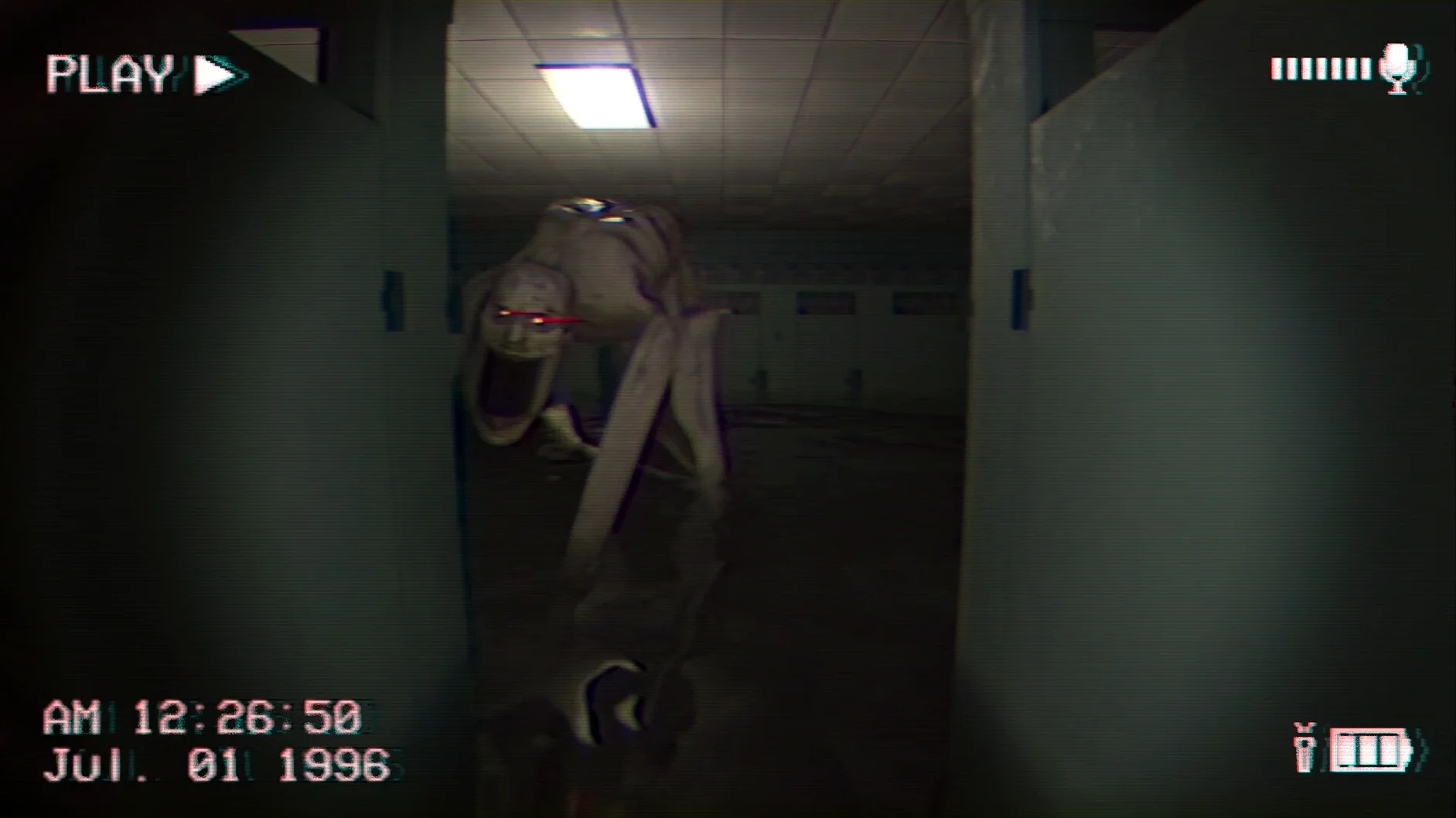
Don't try to reach an ending right away. Spend your first couple of runs learning the rhythm of movement and the audio cues that precede danger. The sound design telegraphs almost everything — a distant locker creak, a shift in the ambient hum, footsteps that don't match your own. Play with headphones. Seriously.
Experiment with how you open doors. Some entities react to speed; a door shoved open fast draws attention, while one eased open slowly lets you peek without committing. Practice that until it becomes muscle memory. Once you've got a feel for when to run, when to freeze, and when to backtrack, the procedural labyrinth starts to feel less like a trap and more like a puzzle you're learning to read.
For folks who enjoy horror experiences that reward patience, or anyone curious about how the classrooms for mac free download handles its unsettling atmosphere, the first hours are about unlearning habits from scripted horror games. There's no checkpoint you can memorize, no monster closet that stays empty forever. That's the point.
- Tested on macOS Sequoia, Mac mini 2020 M1
- Apple Silicon architecture
Porch talk 0
Come in or pull up a chair to leave a comment.
Nobody has pulled up a chair yet. If you used it on a real Saturday, say what the hour was.
More for the same hour
Everything in Games
 The Colonists
1.9.30.1 Native Games
Updated 379 MB

 The Drifter
1.1.5 Games
669 MB
 The Forest
1.12 Games
4 GB

 The Long Dark
2.55 Games
9.5 GB
 The Medium
1.1.22 Games
35 GB

 The Sims 4
1.127.41.1030 Games
78 GB

 Tennis Elbow 4
2026.09.10 Games
3 GB
 Timberborn
1.1.2.8.ffc2de0.gm Native Games
Updated 1.1 GB