

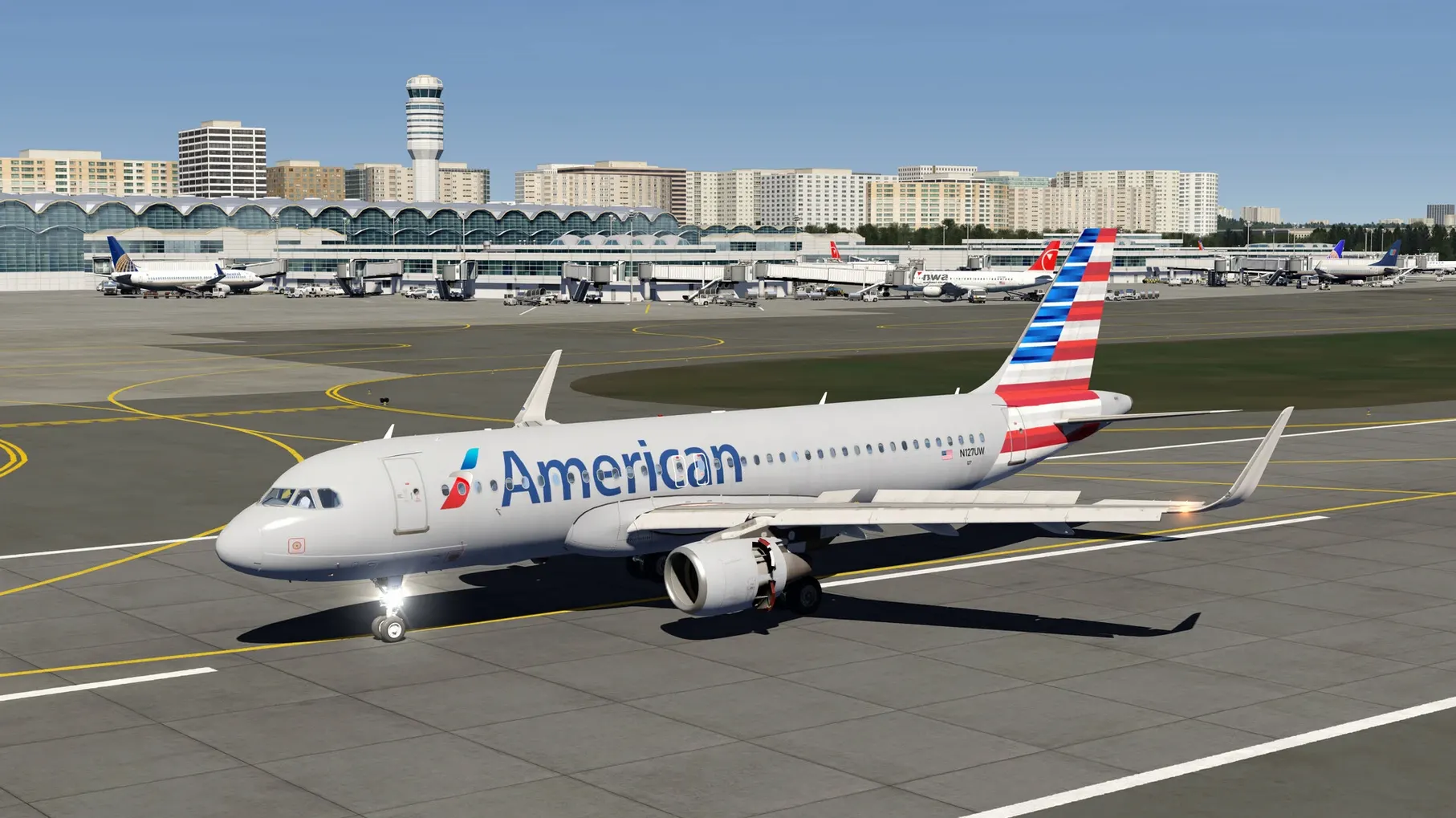
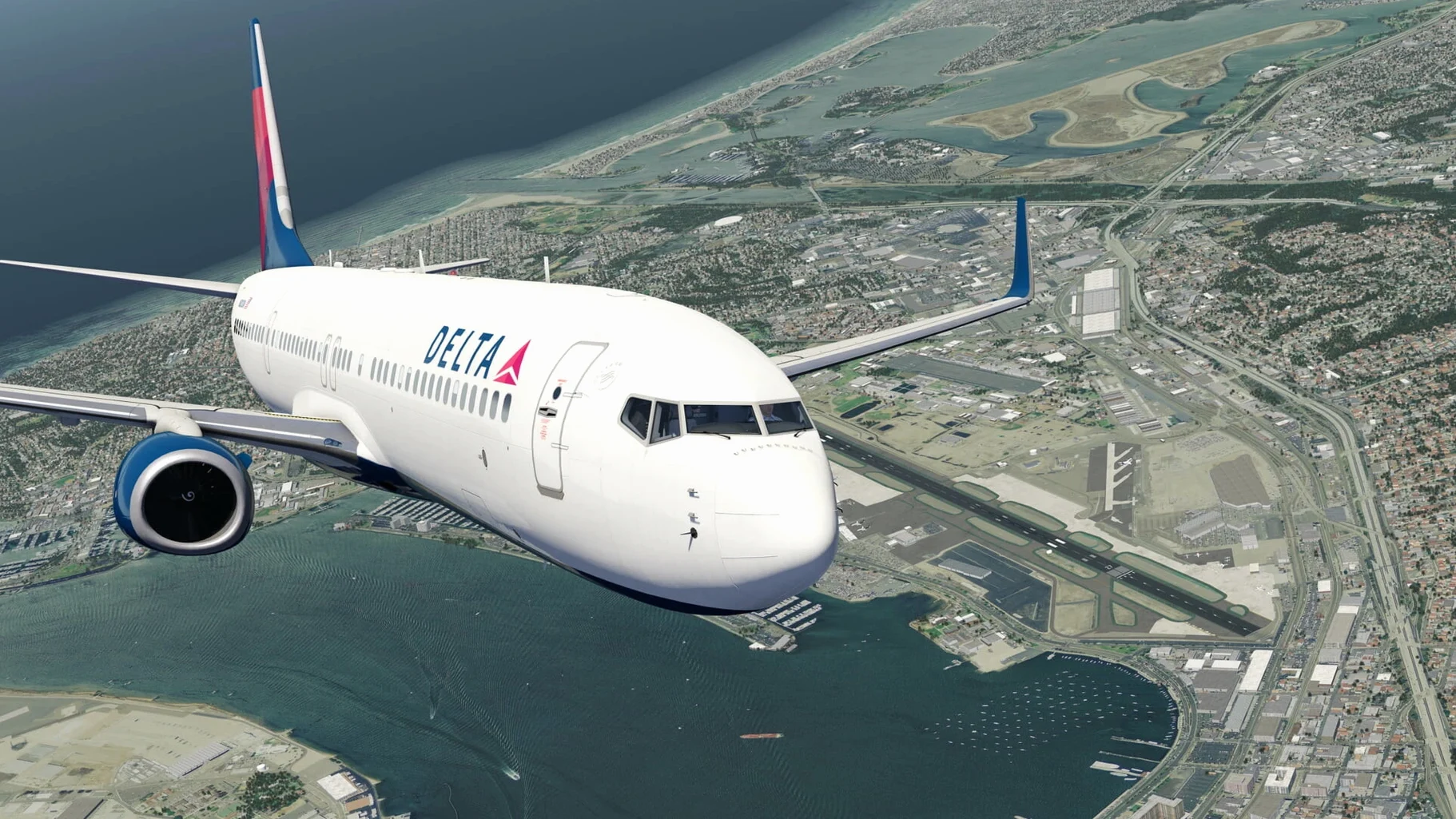
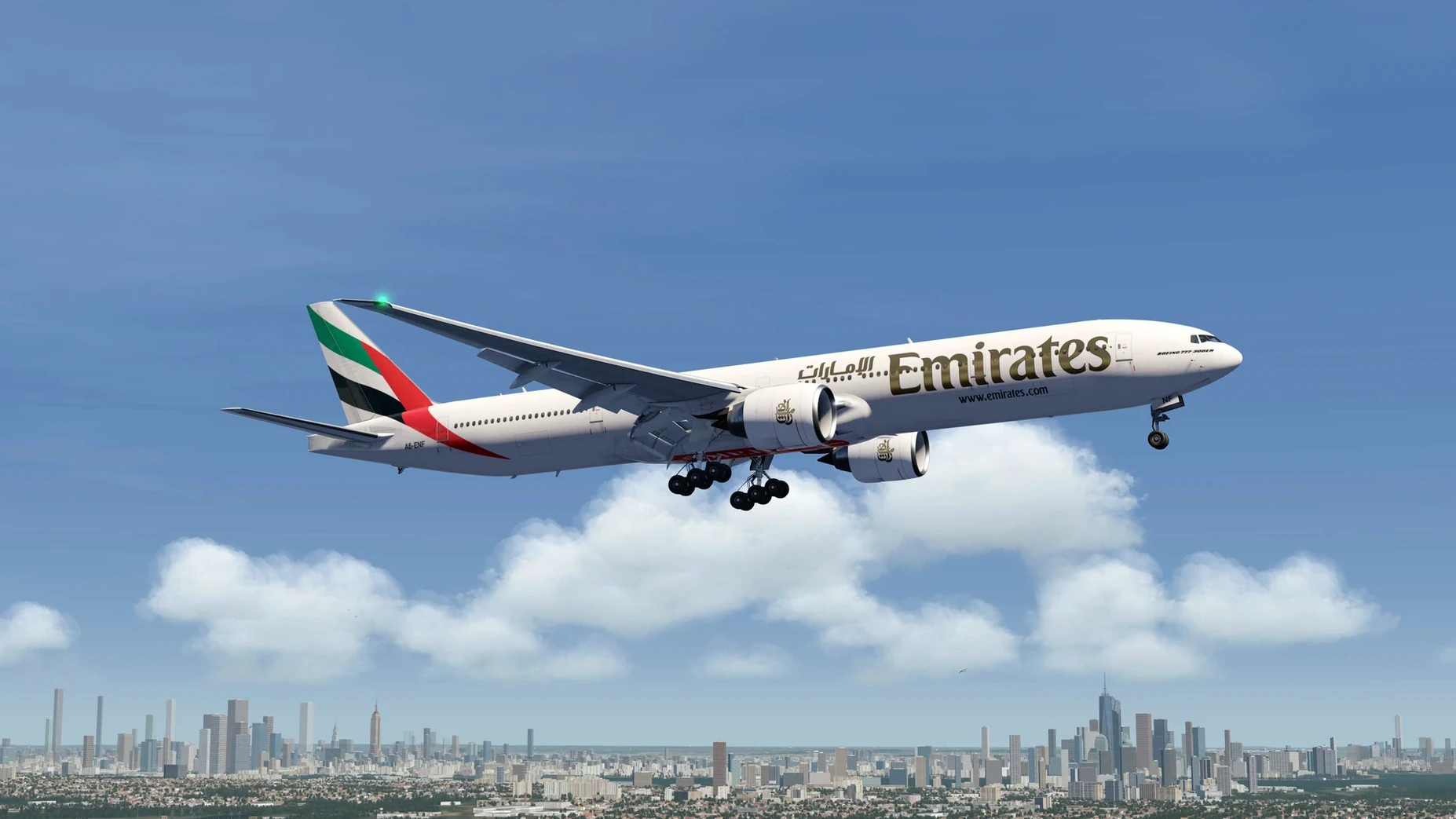
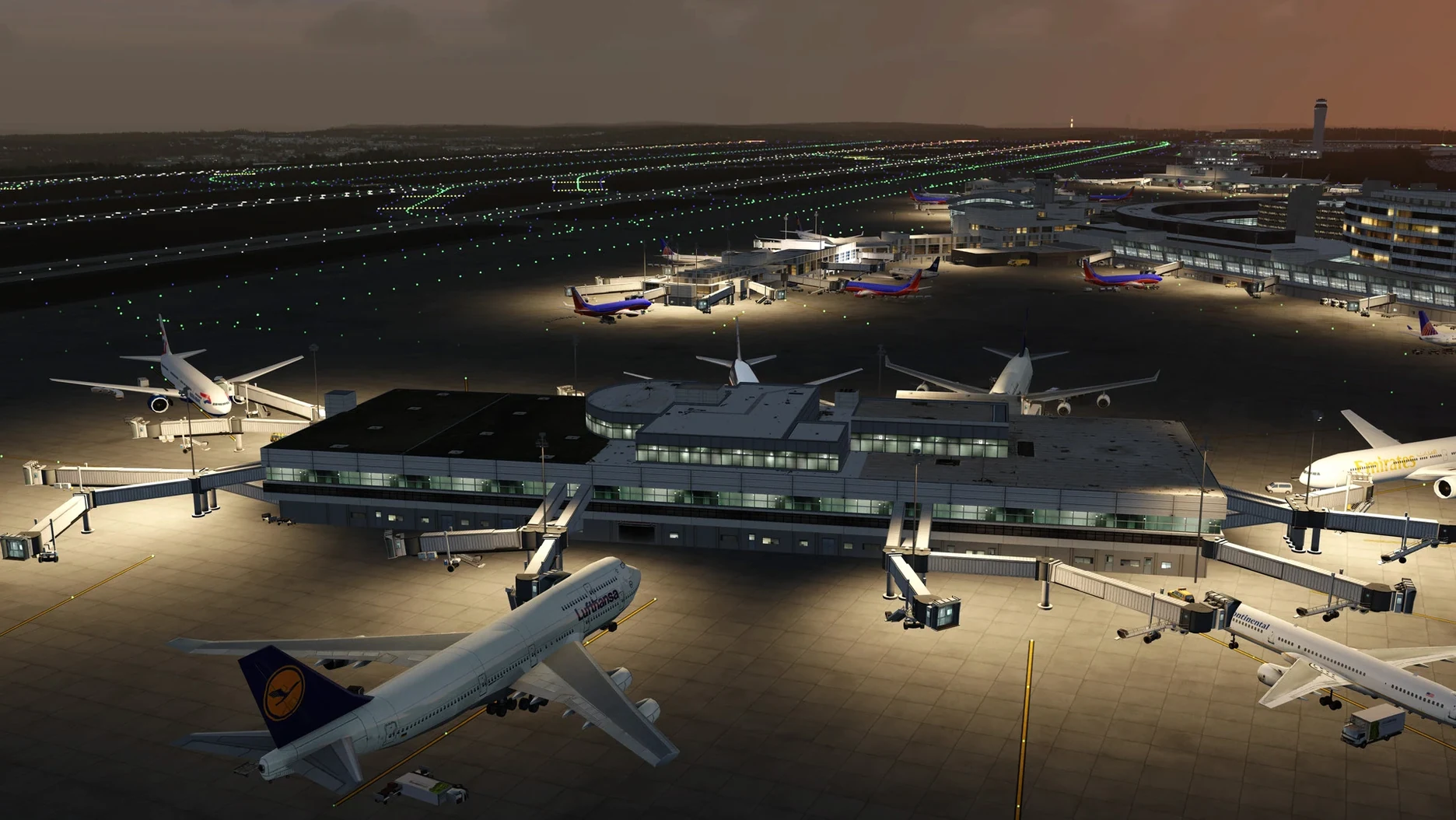
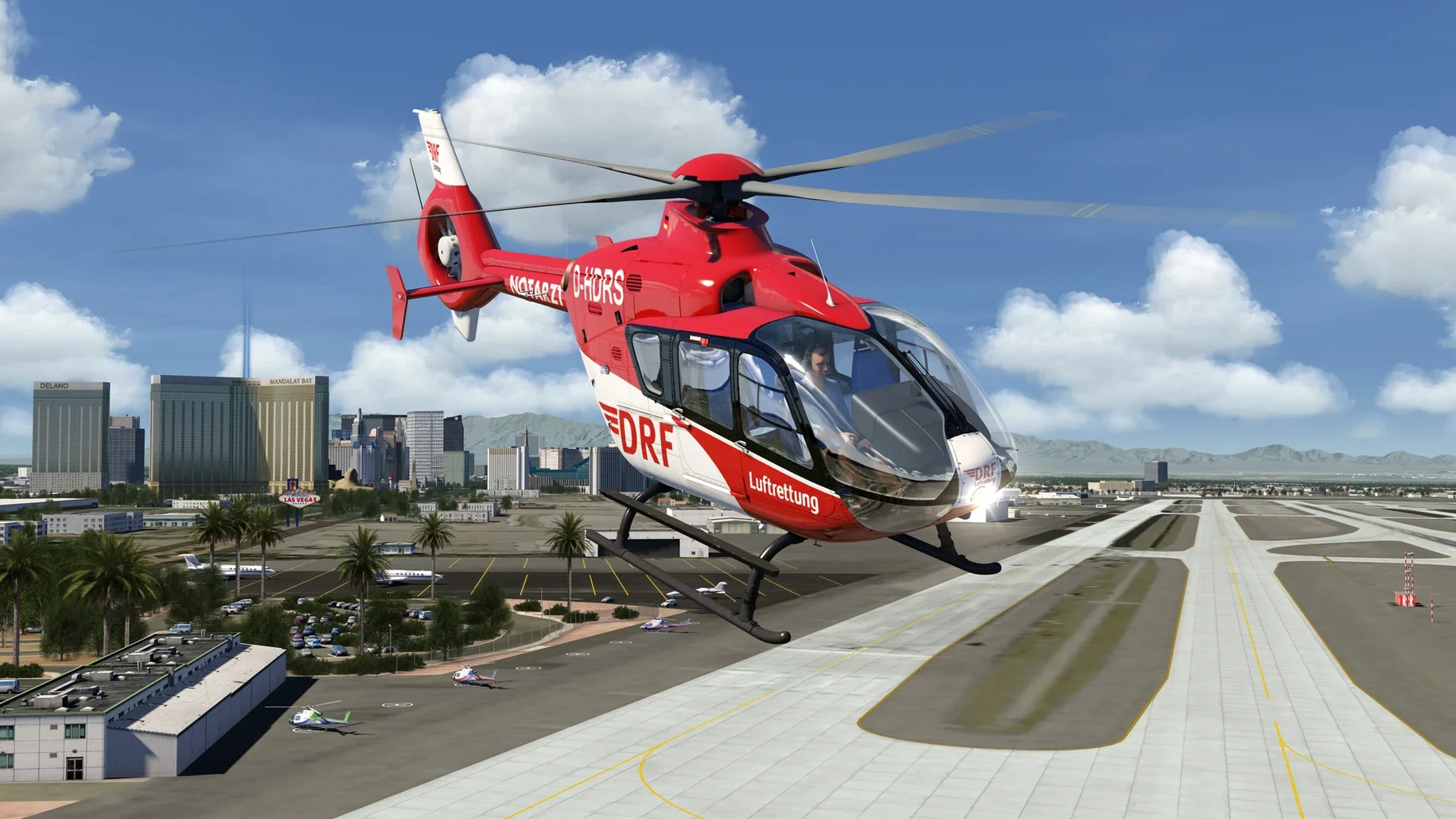
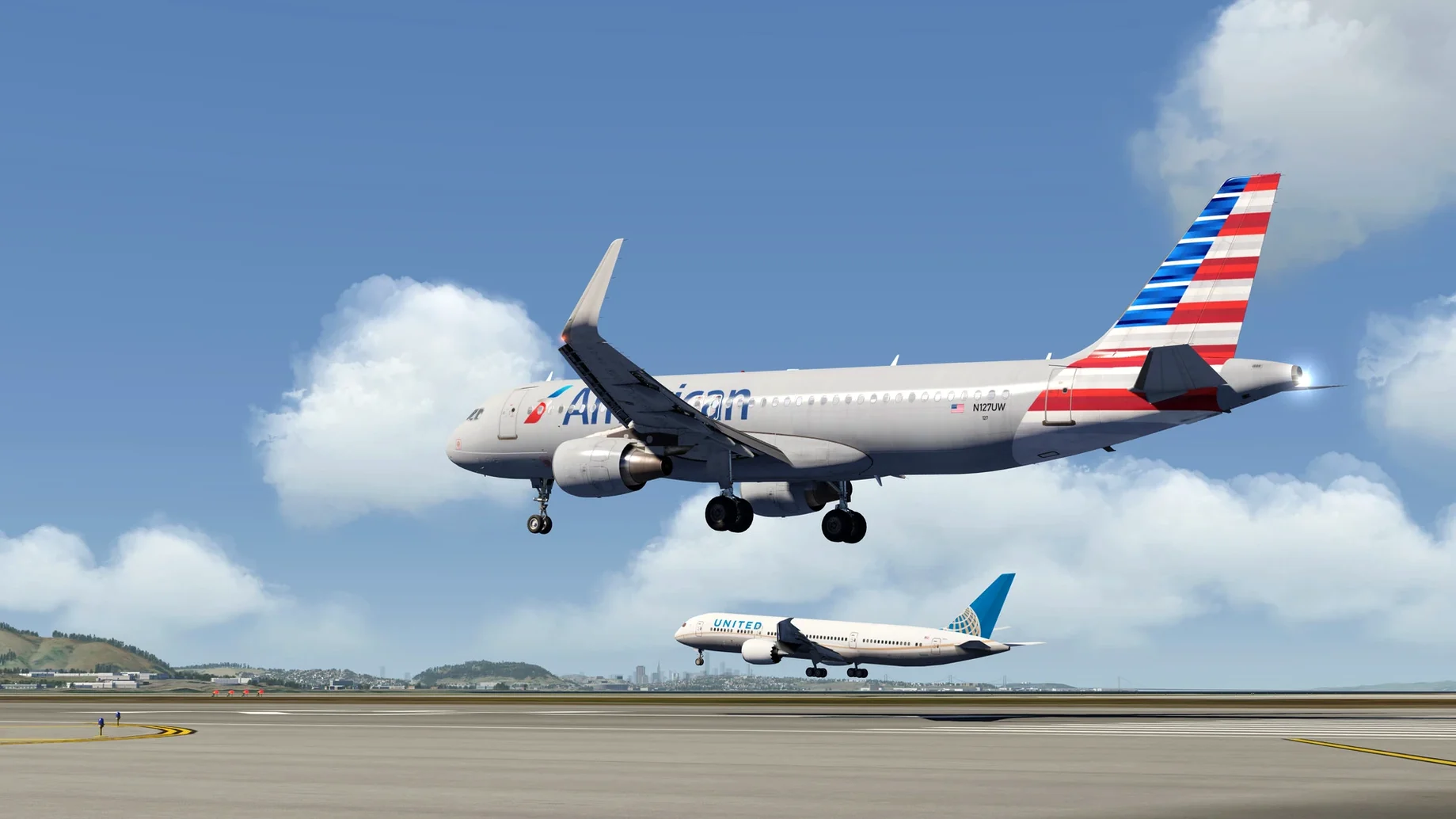
The latest 4.8.4 update brought refined navigation data, several aircraft tweaks, and a handful of new points of interest to spot from the air. If you have been away for a bit, those small touches make a familiar route feel fresh again. It is a good moment to look at what lives inside the simulator—the aircraft, the terrain, and the systems that tie it all together.
| What | Details |
|---|---|
| Version | 4.8.4.1 |
| Architecture | 64-bit, ARM and x86 |
| Languages | English, German |
Open the hangar and you find a fleet that covers a lot of ground. There are highly detailed airliners and business jets for cruising at altitude, military aircraft with custom coded systems, and helicopters that feel genuinely twitchy in a hover. The sim models aerodynamics in real time and spreads the work across multithreaded processing, so the flight model stays responsive even when the scenery gets dense. Speaking of scenery, the base package includes terrain elevation data and aerial imagery for the whole globe, with photorealistic regions that reward low-and-slow flying. It is a mix that works for a curious beginner trying their first pattern work as naturally as it does for a professional staying current.
Sitting down with the sim after the recent database updates, a few things stand out in everyday use. Navigation waypoints and airport layouts feel tighter: the VOR radial you dial in during a night approach actually lines up the way the chart says it should. Points of interest sprinkled into the scenery give you something to look for on a lazy Saturday circuit — a landmark tower, a bridge catching the late sun — and that changes how you plan a casual flight. Several aircraft received handling and cockpit adjustments too, so if you last flew the Airbus or the R22 a few months back, the controls might feel a little more honest under your fingertips. None of it rewrites the sim, but together the changes make a session feel less like running software and more like going flying.
High-res terrain without config tweaks
On a Mac, the landscape is small but not empty. Compared with X-Plane, Aerofly FS 4 leans harder into out-of-the-box visuals and frame rates: you get high-resolution terrain and a smooth Vulkan-driven view without tweaking config files for an afternoon. X-Plane offers a deeper systems simulation and a plug-in ecosystem that can model almost anything, but it asks for more tinkering. FlightGear sits at the opposite end — open-source, endlessly configurable, and rough around the cockpit edges. It covers the globe with community-built aircraft, yet the interface and frame pacing feel a generation behind. Aerofly FS 4 carves a middle path: it trades some of X-Plane’s systems depth for a cleaner launch-and-fly experience, and it leaves FlightGear’s DIY ethos behind in favor of polish. If you want a sim that loads fast, looks sharp on an M-series Mac, and lets you hop into an airliner or a glider without a preflight checklist of settings, this one fits the bill.
Version 4.8.4 focuses on tightening the world under your wings. Look for updated navigation and airport databases, refinements to several aircraft, and new points of interest scattered across the map.
- macOS 13.5 or later
- Apple Silicon or Intel Mac
- 64-bit
Questions I actually get
Does Aerofly FS 4 include helicopters?
Yes. The simulator includes helicopters alongside its fixed-wing fleet, with flight dynamics that feel distinct from the airplanes.
What kind of scenery comes with the base simulator?
It ships with worldwide terrain elevation data and basic aerial imagery, plus photorealistic scenery for select regions.
Is the app a 64-bit native build for Apple Silicon?
Yes. It is a 64-bit application that runs natively on both ARM and Intel Macs.
Porch talk 0
Come in or pull up a chair to leave a comment.
Nobody has pulled up a chair yet. If you used it on a real Saturday, say what the hour was.
More for the same hour
Everything in Games
 Age of Empires II: Definitive Edition
1.2 Games
75 GB
Age of Empires II: Definitive Edition
1.2 Games
75 GB

 Alto's Odyssey — Remastered
1.1.8 Games
150 MB
Alto's Odyssey — Remastered
1.1.8 Games
150 MB

 Angry Birds Reloaded
4.2 Games
431 MB
Angry Birds Reloaded
4.2 Games
431 MB
 7 Days To Die
3.2.0.B10 Games
16 GB
7 Days To Die
3.2.0.B10 Games
16 GB

 Assassin's Creed Shadows
1.0.35 Games
145 GB
Assassin's Creed Shadows
1.0.35 Games
145 GB

 ASYLUM
1.5.0 Games
11 GB
ASYLUM
1.5.0 Games
11 GB

 Baldur's Gate II: Enhanced Edition
2.7.3.0 Games
3.2 GB
Baldur's Gate II: Enhanced Edition
2.7.3.0 Games
3.2 GB

 Batman: Arkham City - Game of the Year Edition
1.2.1 Games
11.3 GB
Batman: Arkham City - Game of the Year Edition
1.2.1 Games
11.3 GB